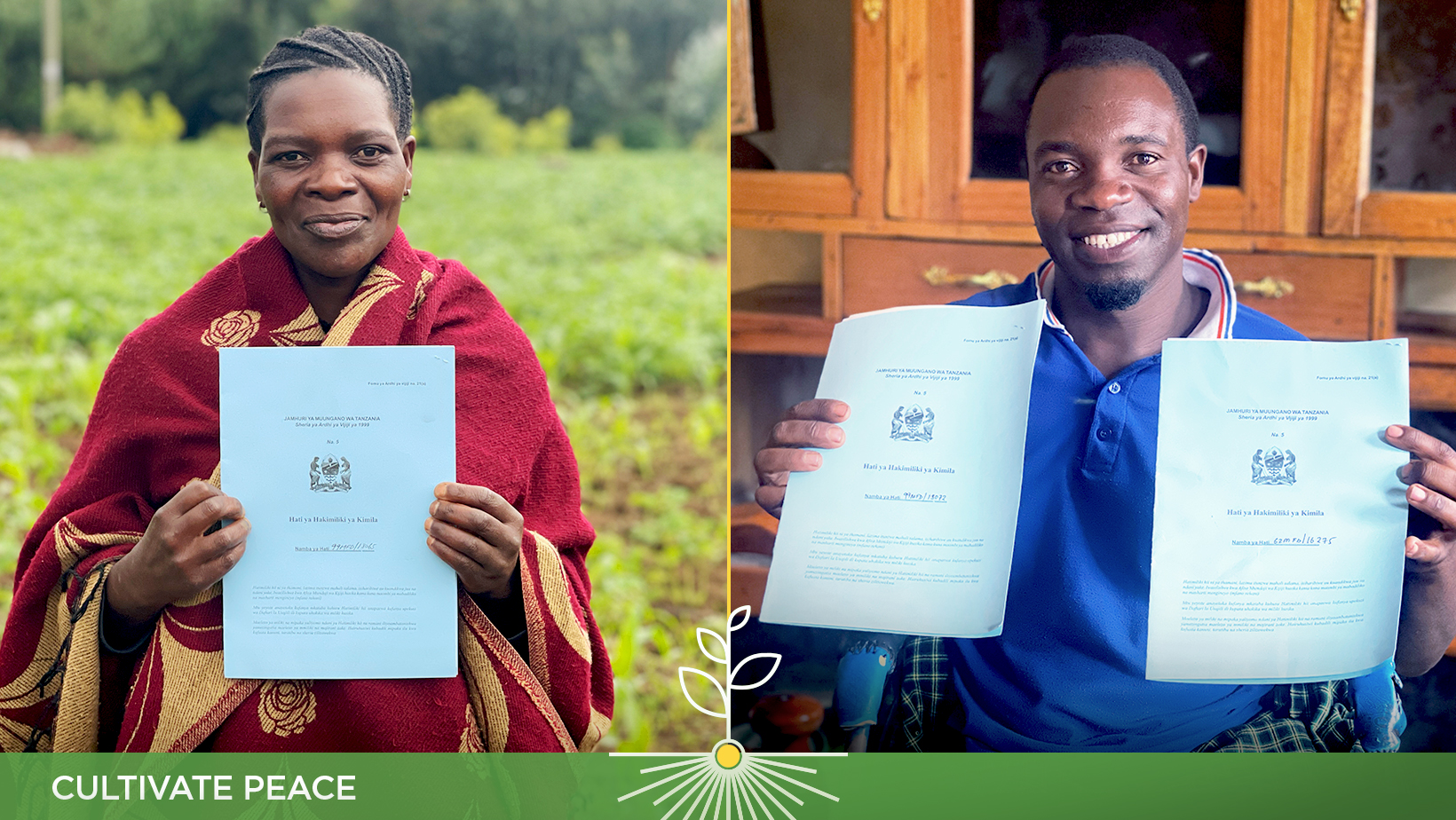
You have a critical role to play in the global movement to eliminate hunger and poverty through improved land rights.

Individuals

  • Write to the international development or conservation organizations you support and ask them how they are incorporating land rights into their work.
  • Support our programs by making a secure online donation to Landesa.
  • Ask your employer to consider corporate sponsorship or employee donation matches for contributions to Landesa.
  • Host a land rights gathering. Send us an email and we’ll send you a packet of information you can use to educate your friends about this important issue.
  • Sign up for our monthly newsletter – Plotlinesto receive a digest of our international, blogs, success stories, and news about the issues related to land rights and global development.
  • Add your voice – comment on our Facebook page and forward our Tweets from @Landesa_Global to inspire others and help spread the word about how land rights helps stop hunger and poverty. “Like” us on Facebook and follow us on Twitter to add your name to those supporting the land rights movement.
  • Write to your elected representative to ask them not to cut foreign aid. And ask them specifically about supporting projects that provide a solid foundation for sustainable development – land rights.


Governments

  • Governments around the world need to consider land rights as one of the best first steps for sustainable economic development. Japan, Taiwan, and South Korea are all good examples of countries that provided secure land rights to their farmers and sparked sustainable economic development and stability.
  • Land rights needs to be incorporated into global health campaigns, HIV/AIDS campaigns, education campaigns, and women’s empowerment campaigns. Because secure land rights boosts educational attainment and women’s empowerment AND gives women the security they need to avoid the risky behaviors that lead to AIDS, land rights should be a part of government strategies in each of these fields.
  • Governments in developing countries should require land tenure impact assessments before they approve commercial land acquisitions.
  • Land tenure impact assessments should be incorporated into the strategies for reducing emissions from deforestation and forest degradation (REDD) in developing countries. If REDD programs are to succeed, they must benefit the people who live in and use the forests.
  • Land tenure impact assessments should be incorporated into conservation strategies. Conservation can protect both traditional groups and their environment. Strategies that rely on evicting people from sensitive areas and barring their use of the area will not succeed.

Other Non-profits

  • Non-profits should incorporate land rights into their work. Whether your organization works in conservation or education, secure land rights can help maximize your impact.
  • Land rights needs to be a part of the global discussion on food security. Want to improve food security or sustainably maximize harvests? Give farmers secure land rights.
  • Land rights needs to be incorporated into global health campaigns, HIV/AIDS campaigns, education campaigns, and women’s empowerment campaigns.

Multinational Corporations

  • Businesses operating in developing countries should conduct land tenure impact assessments in the same way they currently conduct environmental impact assessments before they proceed with their project or investment.
  • Multinationals should partners with local communities by investing in the people, particularly in women, rather solely in their land. Investors must make sure that investments are good long-term arrangements for all parties in order to mitigate their risks and ensure long-term, sustainable returns.

Around the globe, poor families are taking ownership of their land and using it to build a better future.

We can spread the benefits of land rights even further with your support. Thank you.