




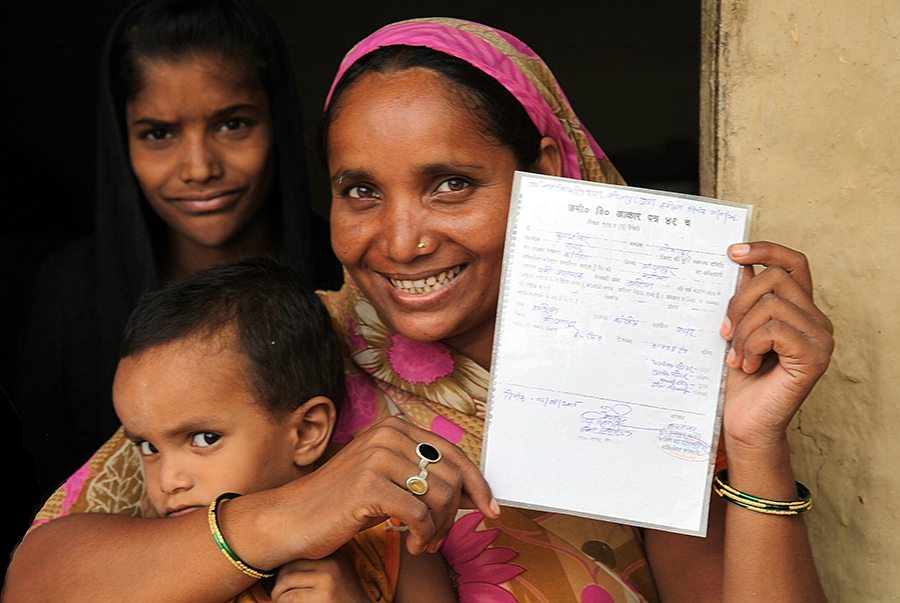
Secure land rights can be transformational in a place like the Indian state of Uttar Pradesh, where an estimated 85 percent of rural women work in agriculture. In the photo gallery below, meet five women and their families who have received land title through government distribution programs supported by Landesa.
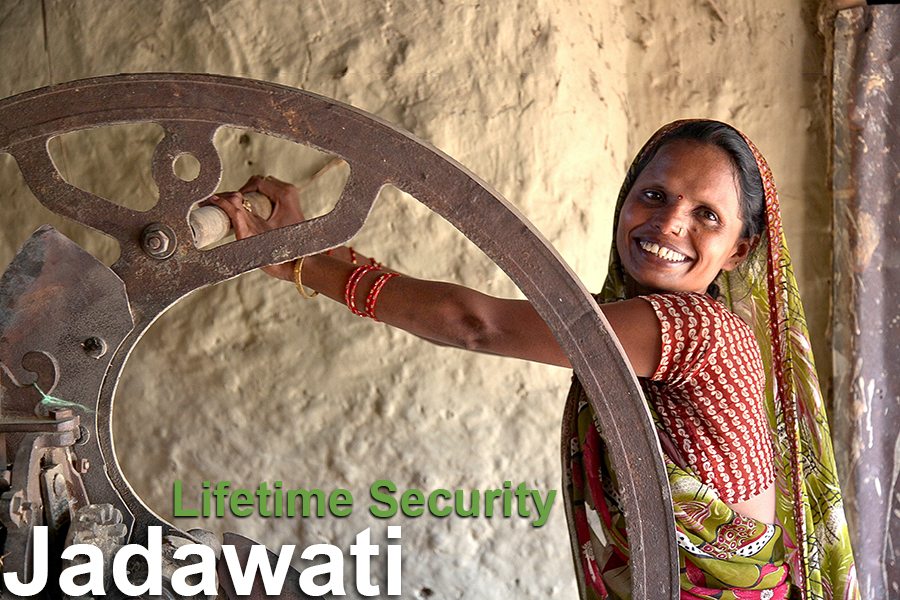
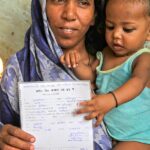
Jadawati and her husband live in a small village in Uttar Pradesh. An agricultural laborer and mother of three children, she had no land of her own. But recently, through a state government land allocation program, Jadawati got secure land title.
Jadawati is the first person in her family to own land. “I’m very happy. This is lifetime security for me and my family. We can now save money and dream for a better future for our children,” she said.
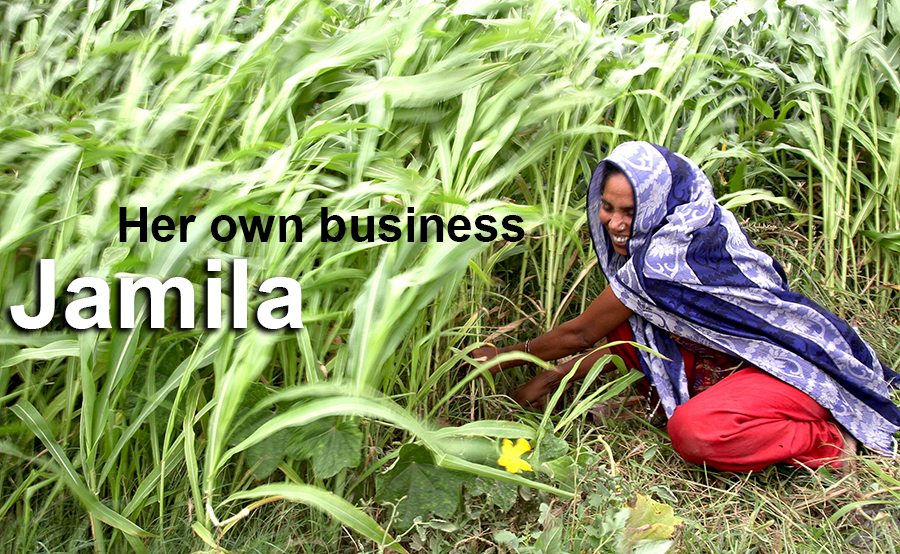
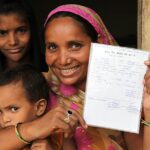
Jamila, from Mirzapur district in Uttar Pradesh, did not have legal title to the land where she was living. The state government, with input from Landesa, identified her as landless and issued her a land title. She is now a proud land owner.
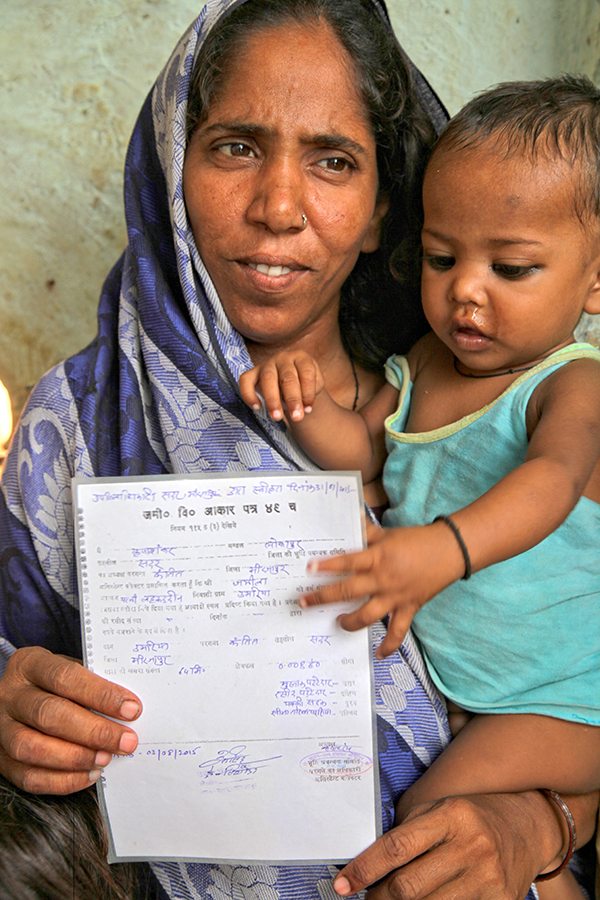
For Jamila, secure land rights better position her to access to housing and the opportunity to start her own business. She plans to build a house on her land and start a small jewelry shop to improve her livelihood.
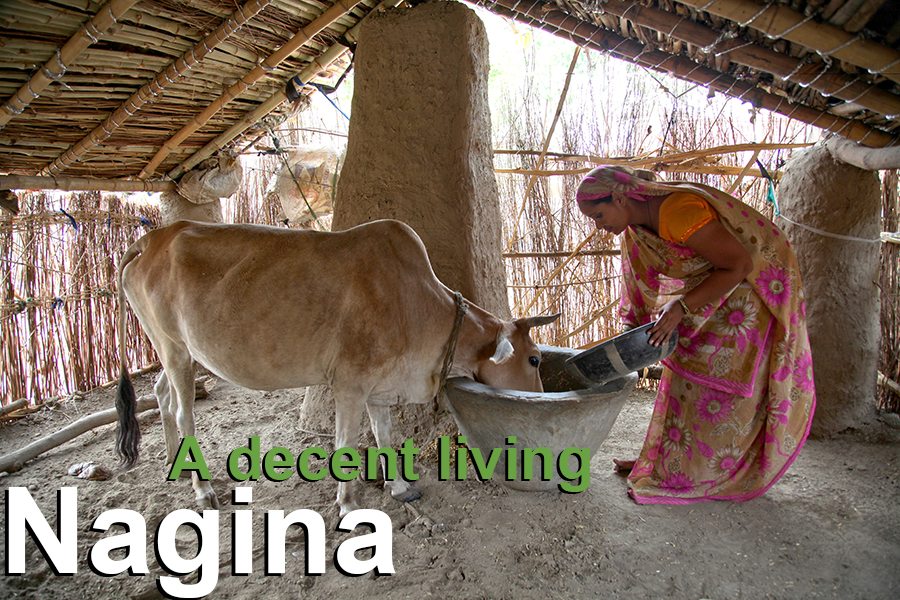
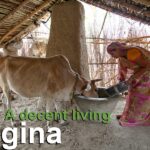
Nagina was landless and without any productive assets. Facing financial hardships and without any other options, she went to live with her mother. “The lack of income and any productive assets like land worsened our financial condition,” she said.
In light of her situation, the government, with support from Landesa, issued Nagina a land title. “We can now make a decent living for our family, and stay in one place,” she said.
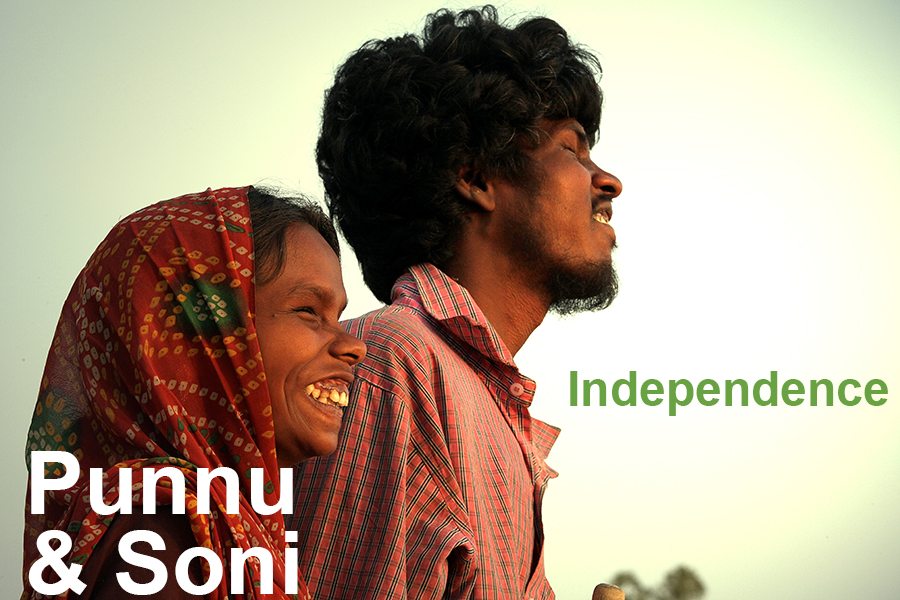
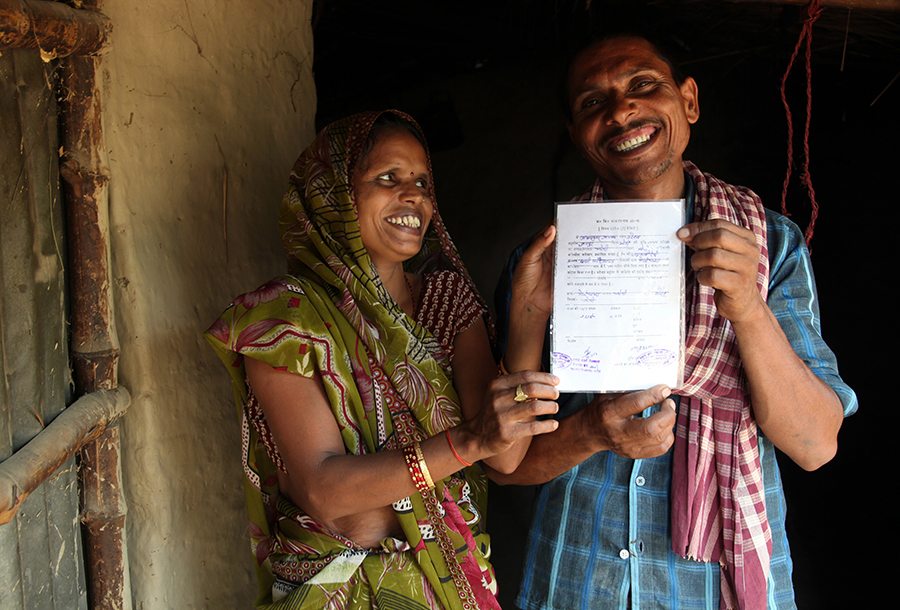
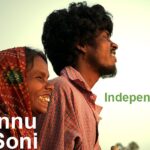
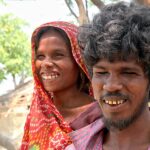
Punnu and Soni are a visually impaired couple belonging to a scheduled caste in Uttar Pradesh. They survive on alms given by the villagers, and have no land or access to government entitlements despite having a “disability” certificate.
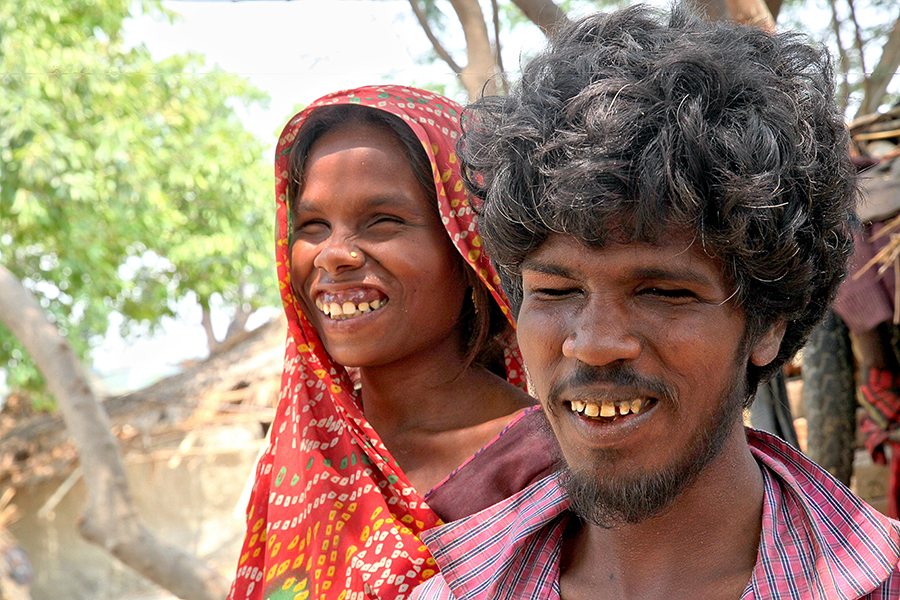
Landesa supported the government of Uttar Pradesh in the identification of landless households and distribution of land, through which the couple was granted a land title. With land, the couple has an opportunity to become self-reliant. “We won’t have to depend on anyone. We will build a small house and grow vegetables in the backyard,” said Soni.
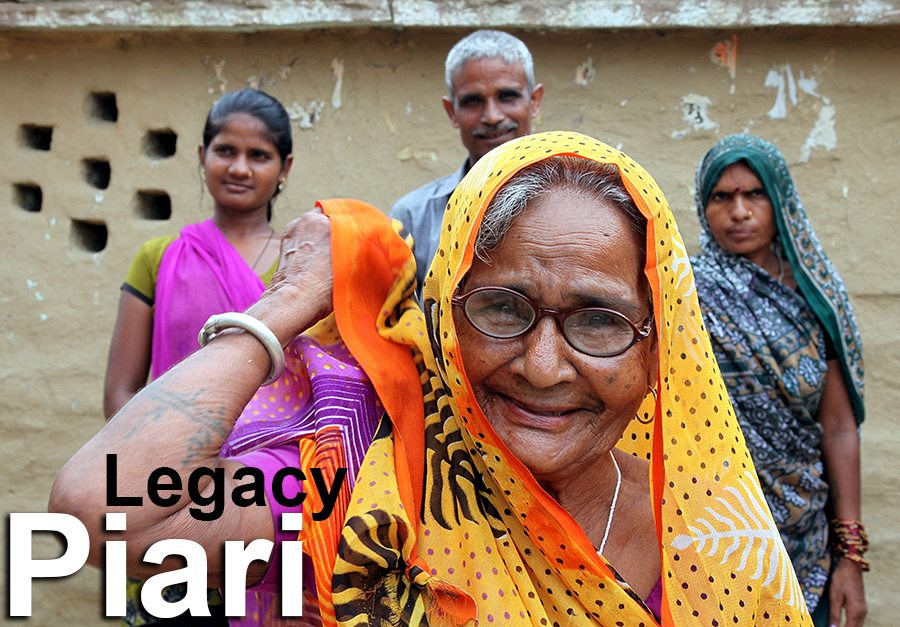
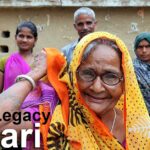
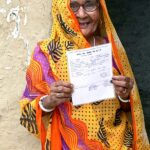
Piari, 65, is a widow who owns no land or any other productive asset. She survives on a monthly widow’s pension of Rs 300 (USD $4.50), barely sufficient to meet her daily needs. Landesa identified her name in the single women’s landless records, and she soon received a land title from the government under its land allocation scheme.
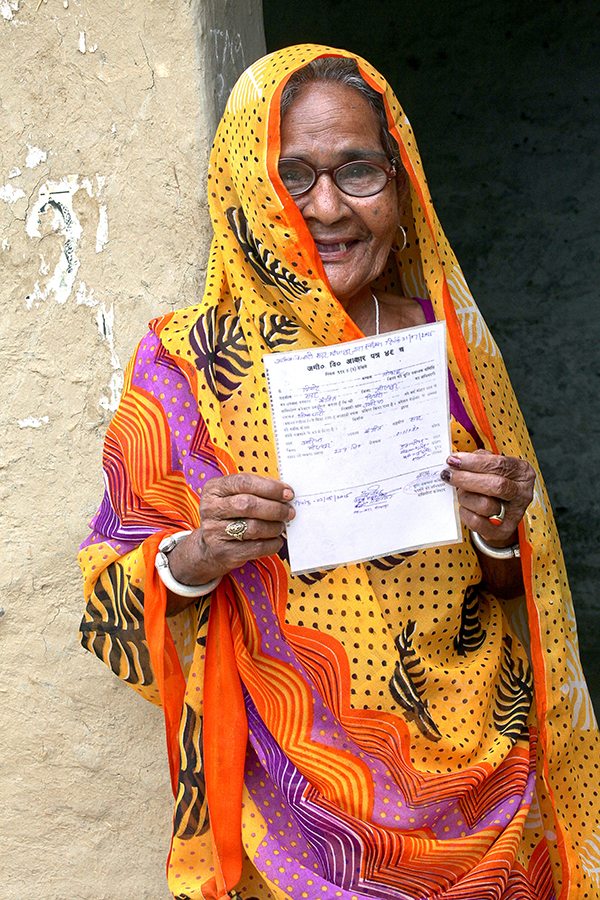
A land title not only gives Piari secure footing in her daily life, but also the hope that she will one day pass an asset on to her children. “At this age, a land title is a huge support to me. My daughters will also inherit something from me, and no longer have to live an insecure life,” she said.

Category:
Related resources
Mangrove Ecosystem Service Valuation in Indonesia’s New Capital City – IKN
This brief highlights how recognizing and integrating the ecosystem services of mangroves into planning decisions—complemented by conservation efforts and sustainable resource use through strengthened tenure rights—is essential to promoting sustainable land use in Indonesia’s intended new capital city.
Landesa Reports, Research
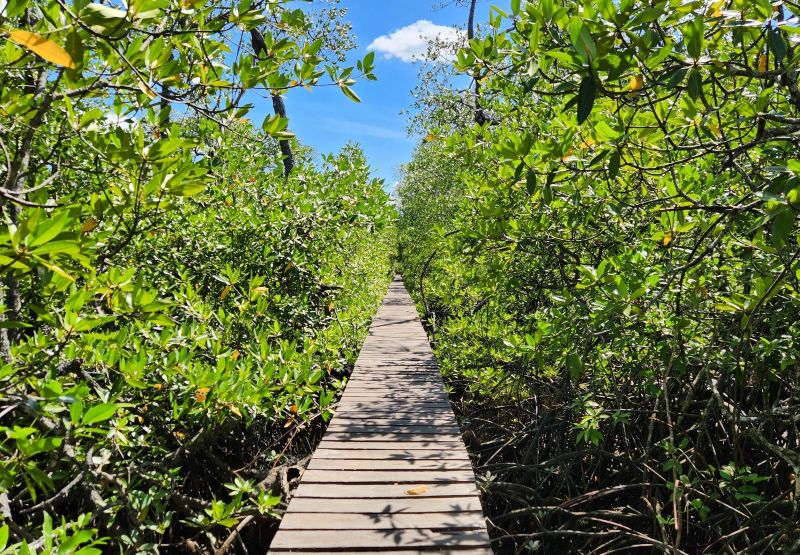
Integrating Mangrove Ecosystem Valuation, Land Certification, and Gender Inclusion in Nusantara Capital City
Landesa’s new study demonstrates how Indonesia’s intended new capital city can showcase integrated and inclusive tenure security and coastal management that balance urban development with mangrove ecosystem conservation. The study reveals the feasibility of implementing Payment for Ecosystem Services and proposes integrating ecosystem service economics with the land certification framework in the country, pioneering gender-responsive ecosystem service rights certification.
Landesa Reports, Research
Climate Change Adversities and Gender Inequality in Bangladesh
This program reflection from the Coastal Livelihoods and Mangroves Project explores how gender norms shape women’s and girls’ experiences of climate change in Bangladesh’s coastal communities. Drawing on fieldwork in Satkhira and Khulna districts, Shushilan's Snigdha Ghosh highlights how unequal access to forest resources and mobility restrictions limit women’s participation in climate resilience efforts—reinforcing vulnerabilities and increasing the risk of gender-based violence. The insights underscore the need for gender-sensitive climate action that centers the voices and rights of women and girls.
Issue Briefs
