




March 2014 – This paper assesses the extent to which Rwanda’s progressive legal framework has eliminated gender-based discrimination in access and control over land by taking a nuanced look at women’s ability to make land-related decisions and at the factors that affect their decision-making power. Our findings indicate that in Rwanda women’s involvement in land-related decisions at the household level varies considerably depending on their marital status, their age, their husbands’ knowledge of women’s rights to land, and community-level perceptions of the extent to which women’s land rights are mediated by their husbands and kin. Our findings also show that women have very limited say when it comes to bequeathing land. Authored by Florence Santos, Diana Fletschner and Vivien Savath. | Download the paper
Category:
Related resources
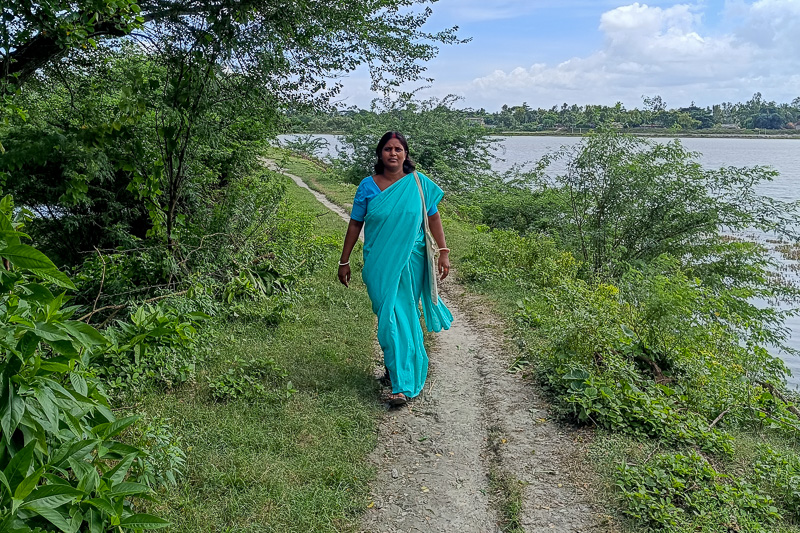
From Struggle to Stewardship: A Woman Leading Change in the Sundarbans
After Cyclone Aila destroyed her home, Supriya Mondal lost nearly everything. But the disaster also set her on an unexpected path, one that would turn her into a trusted community leader helping protect the Sundarbans through climate-smart livelihoods and mangrove conservation.
Success Stories
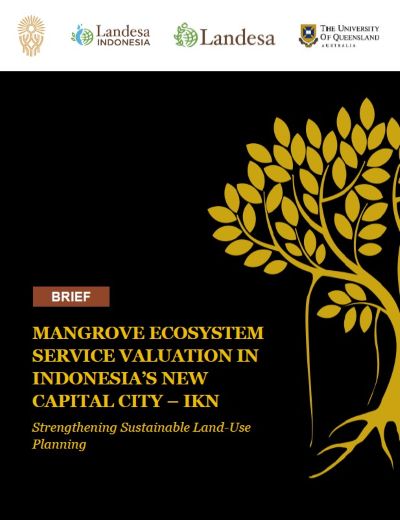
Mangrove Ecosystem Service Valuation in Indonesia’s New Capital City – IKN
This brief highlights how recognizing and integrating the ecosystem services of mangroves into planning decisions—complemented by conservation efforts and sustainable resource use through strengthened tenure rights—is essential to promoting sustainable land use in Indonesia’s intended new capital city.
Landesa Reports, Research
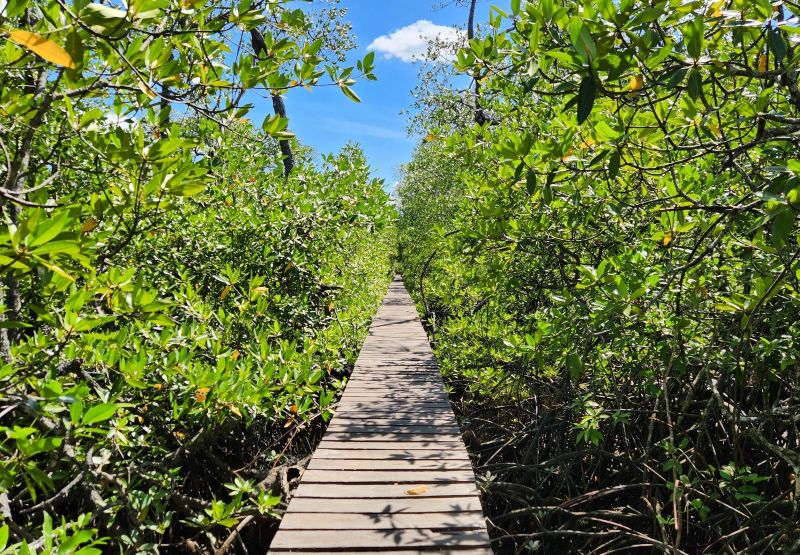
Integrating Mangrove Ecosystem Valuation, Land Certification, and Gender Inclusion in Nusantara Capital City
Landesa’s new study demonstrates how Indonesia’s intended new capital city can showcase integrated and inclusive tenure security and coastal management that balance urban development with mangrove ecosystem conservation. The study reveals the feasibility of implementing Payment for Ecosystem Services and proposes integrating ecosystem service economics with the land certification framework in the country, pioneering gender-responsive ecosystem service rights certification.
Landesa Reports, Research
