




Communist countries, countries in transition to market economies, and even some market economies have paid an enormous price for assuming that large farms are more productive than small or mid-sized farms. This strongly held assumption is a major obstacle to legal, policy, and practical efforts to facilitate farm reorganization in many former Soviet republics. The author discusses the basic arguments for and against the existence of economies of scale in agriculture. | download PDF
Category:
Related resources
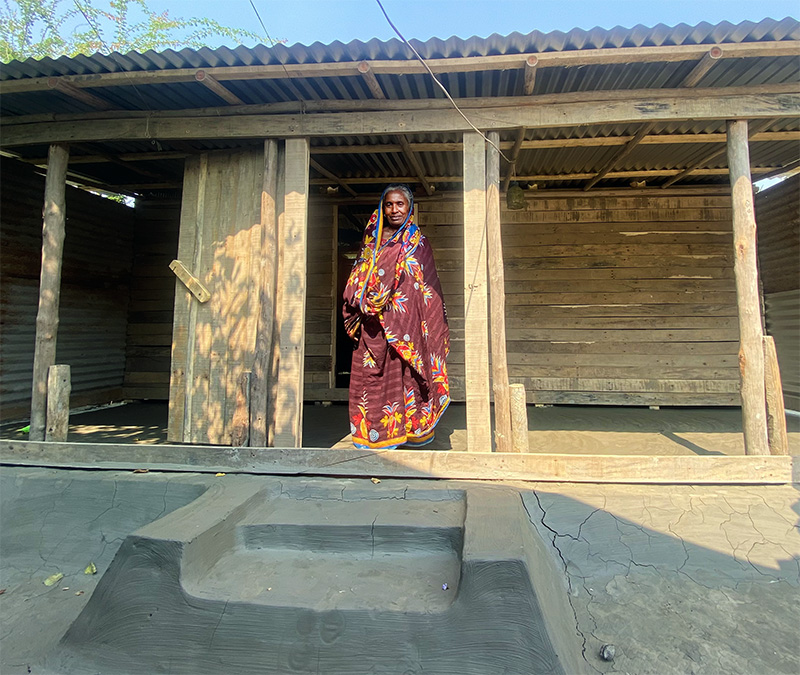
Strong Roots, Stronger Futures: Momtaz Rebuilds with Hope
Meet Momtaz Begum, a woman rebuilding hope in coastal Bangladesh by adapting her land and planting mangroves to protect her home from the rising tide of climate change.
Success Stories
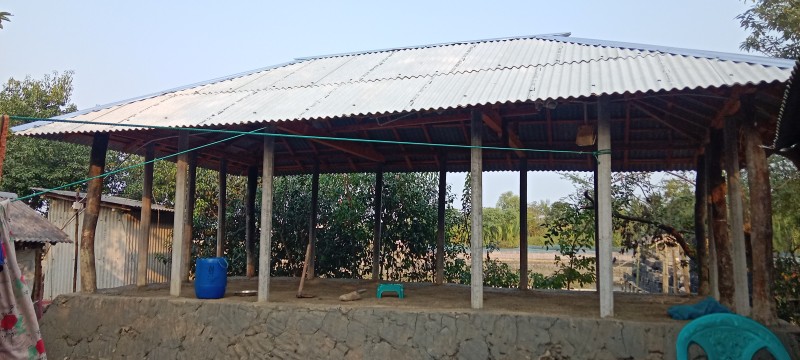
From Challenge to Change: A Journey to Secure Land Rights
After decades without secure shelter, Naima and her family in Bangladesh’s Sundarbans gained legal access to land through a government lease program after attending a training supported by Shushilan and Landesa. They are now building a permanent home and planting a garden—laying the groundwork for a more stable future.
Success Stories
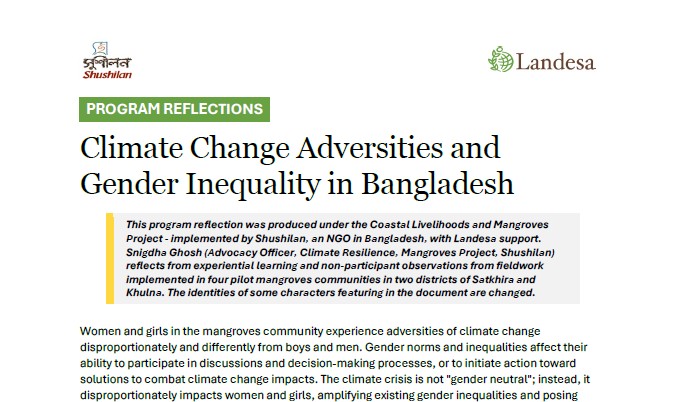
Climate Change Adversities and Gender Inequality in Bangladesh
This program reflection from the Coastal Livelihoods and Mangroves Project explores how gender norms shape women’s and girls’ experiences of climate change in Bangladesh’s coastal communities. Drawing on fieldwork in Satkhira and Khulna districts, Shushilan's Snigdha Ghosh highlights how unequal access to forest resources and mobility restrictions limit women’s participation in climate resilience efforts—reinforcing vulnerabilities and increasing the risk of gender-based violence. The insights underscore the need for gender-sensitive climate action that centers the voices and rights of women and girls.
Issue Briefs
