




January 2014 — In rural areas from East Asia to Sub-Saharan Africa, women make up a bulk of the agricultural labor force, yet rarely own the land they rely on to survive and provide for their families. This article explores some promising legal and policy reforms aimed at helping rural women in the developing world wield secure, long-term land rights, which serve as a gateway to a suite of social and economic rights and benefits—empowerment in the community and a stronger voice within the household for themselves, and increased income, education and nutrition for their family. This article originally appeared in the Journal of International Affairs at Columbia University. Click here to view the full article.
Category:
Related resources
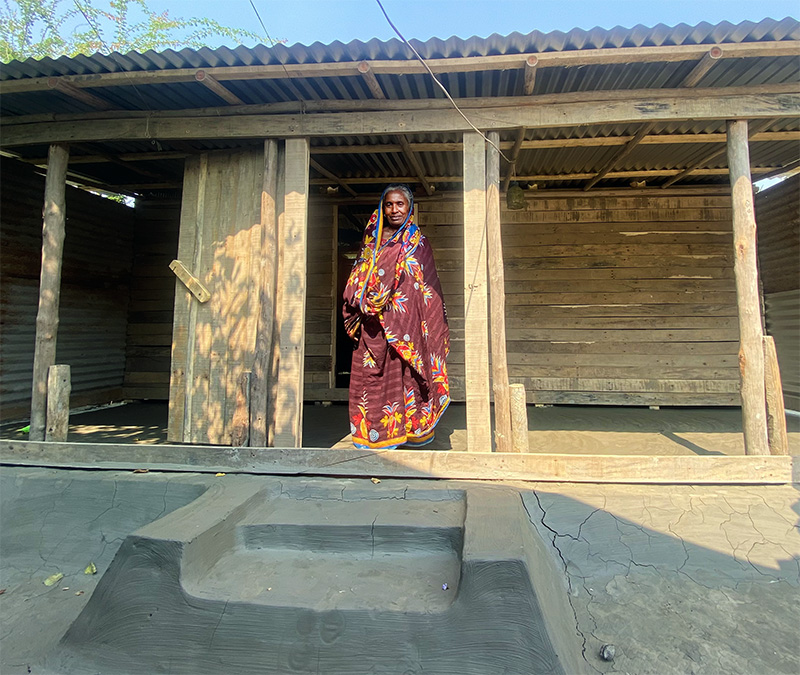
Strong Roots, Stronger Futures: Momtaz Rebuilds with Hope
Meet Momtaz Begum, a woman rebuilding hope in coastal Bangladesh by adapting her land and planting mangroves to protect her home from the rising tide of climate change.
Success Stories
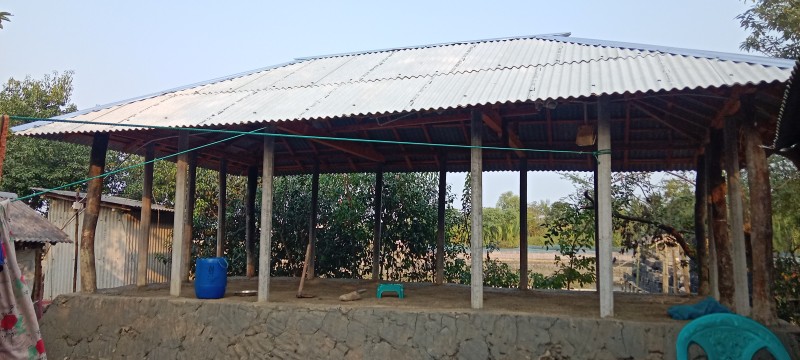
From Challenge to Change: A Journey to Secure Land Rights
After decades without secure shelter, Naima and her family in Bangladesh’s Sundarbans gained legal access to land through a government lease program after attending a training supported by Shushilan and Landesa. They are now building a permanent home and planting a garden—laying the groundwork for a more stable future.
Success Stories
Climate Change Adversities and Gender Inequality in Bangladesh
This program reflection from the Coastal Livelihoods and Mangroves Project explores how gender norms shape women’s and girls’ experiences of climate change in Bangladesh’s coastal communities. Drawing on fieldwork in Satkhira and Khulna districts, Shushilan's Snigdha Ghosh highlights how unequal access to forest resources and mobility restrictions limit women’s participation in climate resilience efforts—reinforcing vulnerabilities and increasing the risk of gender-based violence. The insights underscore the need for gender-sensitive climate action that centers the voices and rights of women and girls.
Issue Briefs
