





Clarifying and strengthening land rights for women, men, and communities can increase India’s GDP by as much as $7 billion (Rs. 476 billion).
As explained in Landesa’s new fact sheet, “India Can Grow a Stronger Economy,” land rights for India’s rural poor can help spark broad-based economic growth. State-level land reforms in the 1980s and 1990s were shown to increase per capita income, per capita consumption, and the growth rate of assets. Annual per capita income can increase by as much as $314.
Macro-economic data suggests that stronger land rights for smallholder farmers and rural communities can produce significant economic growth in developing countries.
And these reforms worked from the bottom up, benefiting the poorest of the poor and setting them up for greater agricultural productivity.
Download PDF Explore Our Work in IndiaCategory:
Related resources
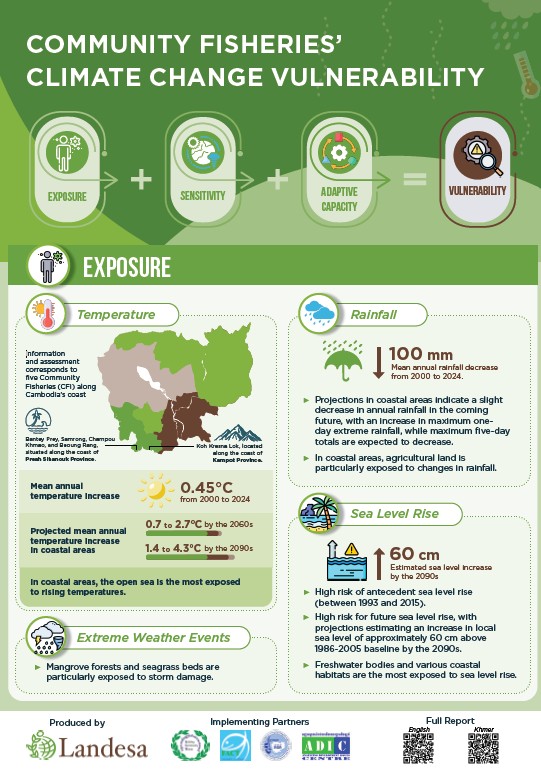
Community Fisheries’ Climate Change Vulnerability Infographic (English and Khmer versions)
These infographics reflect Landesa’s findings from the Community Fisheries Climate Change Vulnerability Assessment report and were developed as primary tools for raising awareness through educational events conducted with Community Fishery members in Cambodia.
Infographics
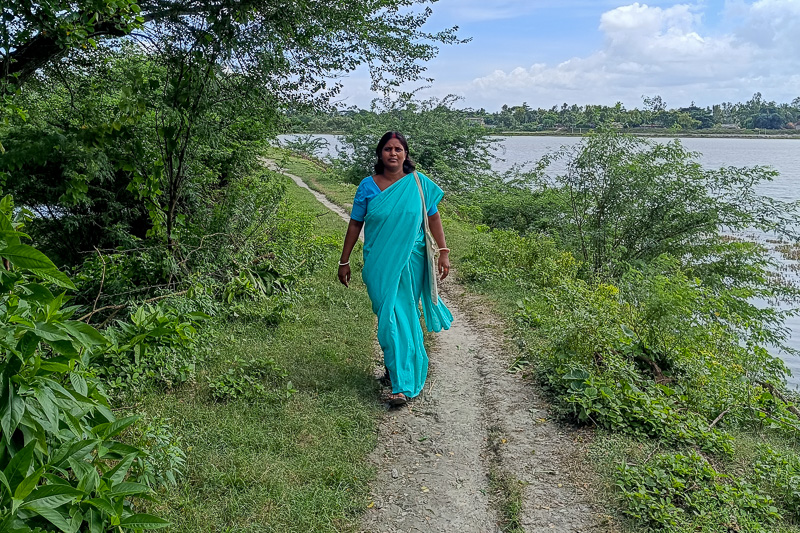
From Struggle to Stewardship: A Woman Leading Change in the Sundarbans
After Cyclone Aila destroyed her home, Supriya Mondal lost nearly everything. But the disaster also set her on an unexpected path, one that would turn her into a trusted community leader helping protect the Sundarbans through climate-smart livelihoods and mangrove conservation.
Success Stories
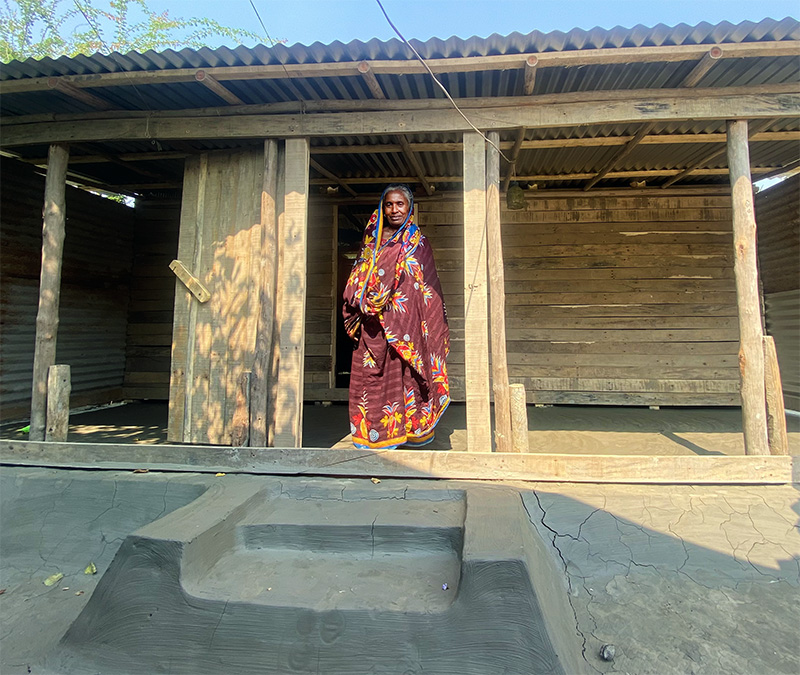
Strong Roots, Stronger Futures: Momtaz Rebuilds with Hope
Meet Momtaz Begum, a woman rebuilding hope in coastal Bangladesh by adapting her land and planting mangroves to protect her home from the rising tide of climate change.
Success Stories
