




March 2014 – Odisha, a state on the eastern coast of India, has endeavored over the years to enact laws aimed at providing land to those cultivating it and redistributing ownership of land. Landesa designed and piloted a model where a local youth (called a Community Resource Person) – identified by the community – is trained to provide additional capacity to local government land administration officials to identify and provide title to the formerly landless families. This model was subsequently scaled to cover 1,042 villages in seven districts of the state. The state government has further extended the program to another 18,000 villages to touch 1.2 million families. This paper highlights how people-centric land governance examples have improved land administration, making it more efficient and effective. This will be the key learning for similar projects around the world since it discusses the favorable factors and key features to be considered for scaling up a people-centric land allocation program. This Paper was prepared for presentation at the “2014 World Bank Conference on Land and Poverty” in Washington DC, March 24-27. Authored by Sibabrata Choudhury & Susanta Nanda. | Download the paper
Related resources
Mangrove Ecosystem Service Valuation in Indonesia’s New Capital City – IKN
This brief highlights how recognizing and integrating the ecosystem services of mangroves into planning decisions—complemented by conservation efforts and sustainable resource use through strengthened tenure rights—is essential to promoting sustainable land use in Indonesia’s intended new capital city.
Landesa Reports, Research
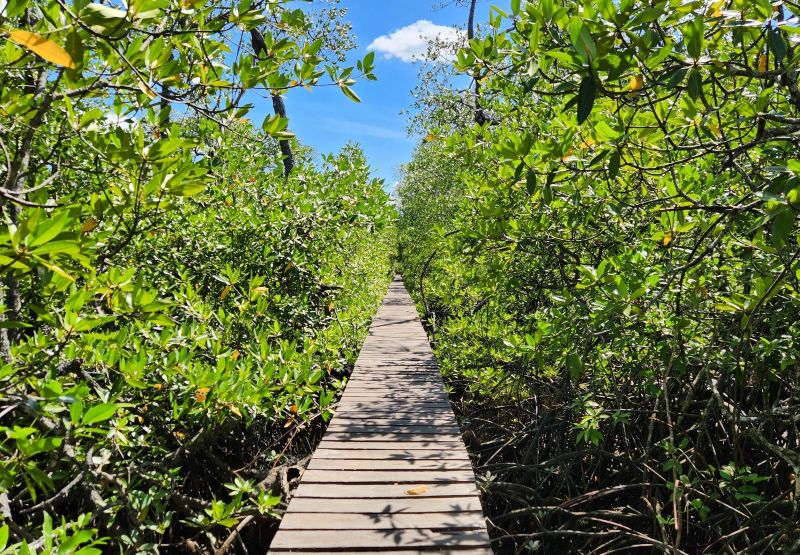
Integrating Mangrove Ecosystem Valuation, Land Certification, and Gender Inclusion in Nusantara Capital City
Landesa’s new study demonstrates how Indonesia’s intended new capital city can showcase integrated and inclusive tenure security and coastal management that balance urban development with mangrove ecosystem conservation. The study reveals the feasibility of implementing Payment for Ecosystem Services and proposes integrating ecosystem service economics with the land certification framework in the country, pioneering gender-responsive ecosystem service rights certification.
Landesa Reports, Research
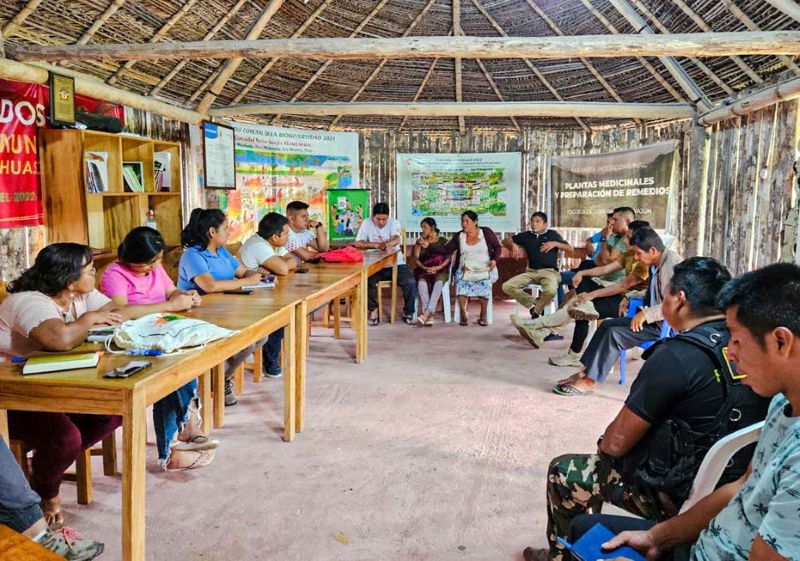
Consultation and Consent in Indigenous-led Carbon Projects: Good practices and lessons learned from the Awajun Tajimat Pujut Initiative (English & Spanish)
This case study provides lessons and good practices from the Tajimat Pujut Initiative (TPI), an Indigenous-led carbon project in Peru, offering insights into how effective consultation and consent practices can support responsible carbon projects that align with Indigenous values and deliver sustainable returns for their use and management of land and forests.
Research
