




2010
This paper by staff from Landesa (then called the Rural Development Institute) describes the ways in which farmers’ rights to forestland and trees are compromised by historical and institutional factors, and government programs to protect forests. The authors conclude that to ensure the long-term success of such programs while addressing the welfare of the affected rural poor people, China should continue reform efforts, particularly bolstering the security of farmers’ rights over forestland and trees and adequately compensating farmers affected by carbon sequestration programs. | Download PDF
Related resources
Mangrove Ecosystem Service Valuation in Indonesia’s New Capital City – IKN
This brief highlights how recognizing and integrating the ecosystem services of mangroves into planning decisions—complemented by conservation efforts and sustainable resource use through strengthened tenure rights—is essential to promoting sustainable land use in Indonesia’s intended new capital city.
Research, Landesa Reports

Integrating Mangrove Ecosystem Valuation, Land Certification, and Gender Inclusion in Nusantara Capital City
Landesa’s new study demonstrates how Indonesia’s intended new capital city can showcase integrated and inclusive tenure security and coastal management that balance urban development with mangrove ecosystem conservation. The study reveals the feasibility of implementing Payment for Ecosystem Services and proposes integrating ecosystem service economics with the land certification framework in the country, pioneering gender-responsive ecosystem service rights certification.
Landesa Reports, Research
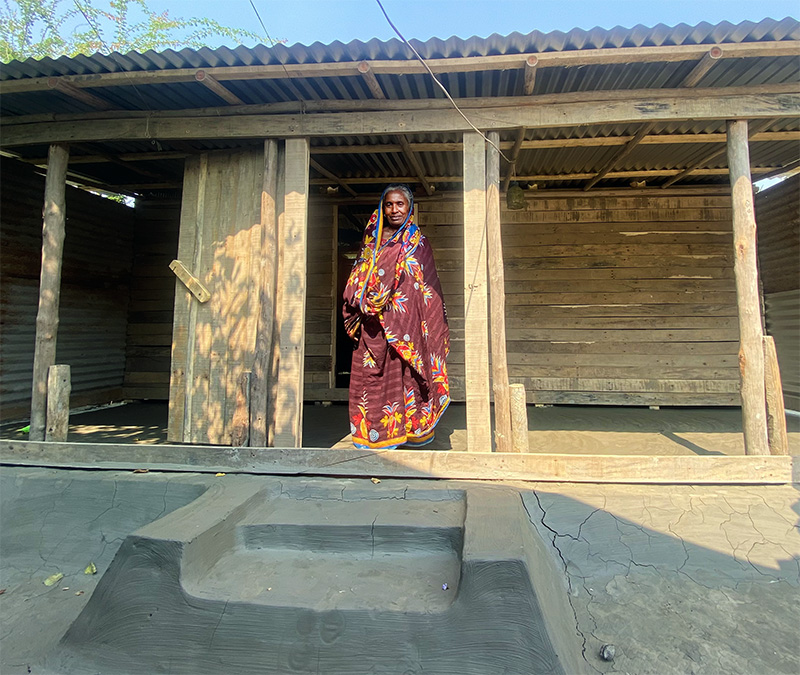
Strong Roots, Stronger Futures: Momtaz Rebuilds with Hope
Meet Momtaz Begum, a woman rebuilding hope in coastal Bangladesh by adapting her land and planting mangroves to protect her home from the rising tide of climate change.
Success Stories
