


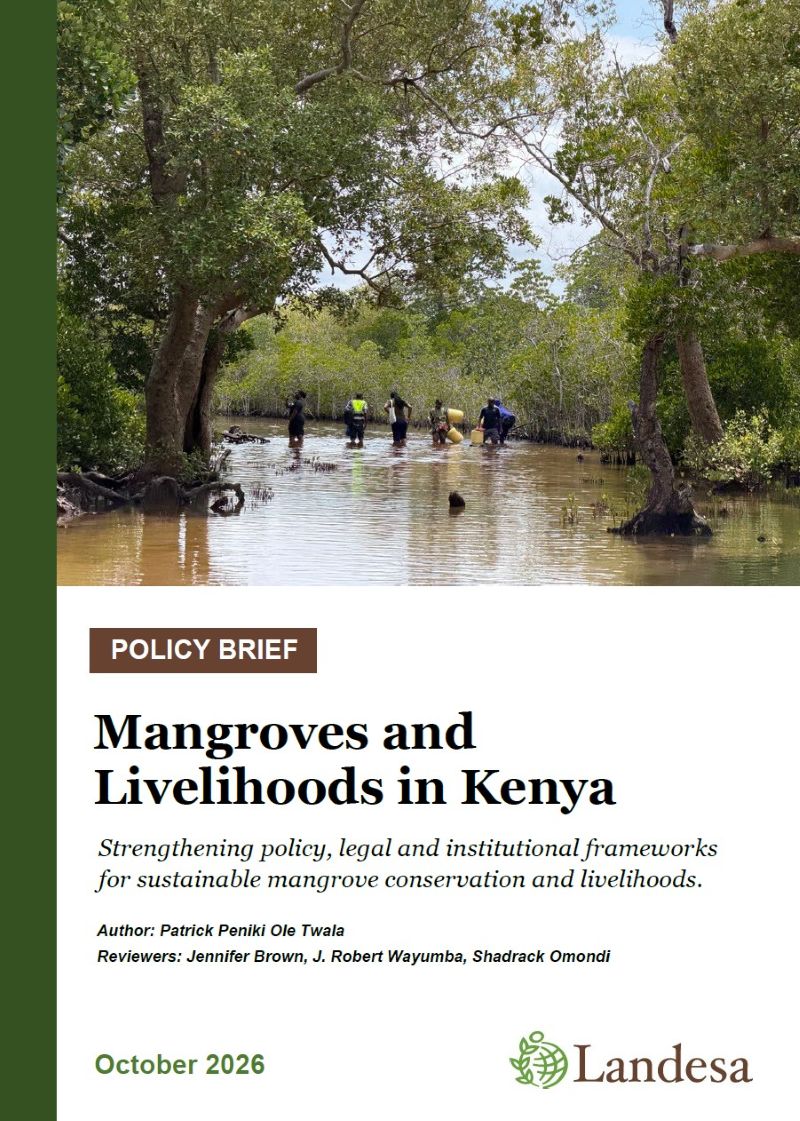
 Mangrove ecosystems are among Kenya’s most important coastal natural assets. They support fisheries, provide timber and non-timber forest products, protect shorelines, store carbon and strengthen climate resilience. For coastal households, mangroves are directly or indirectly linked to fishing, aquaculture, tourism, trade and other natural-resource-based livelihoods.
However, mangrove ecosystems and the livelihoods that depend on them continue to face pressure from climate change, degradation, competing land uses, resource extraction, and fragmented governance, which led to the loss of around 187 hectares in 2025, according to Global Mangrove Watch. Insecure land and resource rights, limited inclusion, and gaps between national policy and local implementation further weaken incentives for sustainable management.
Addressing these challenges requires stronger policy, legal, and institutional frameworks. This policy brief identifies priority gaps and proposes practical measures to build more equitable, inclusive and gender responsive governance frameworks for sustainable management and conservation mangroves and livelihood outcomes in Kenya’s coastal landscapes.
Download the Policy Brief (pdf)Related resources
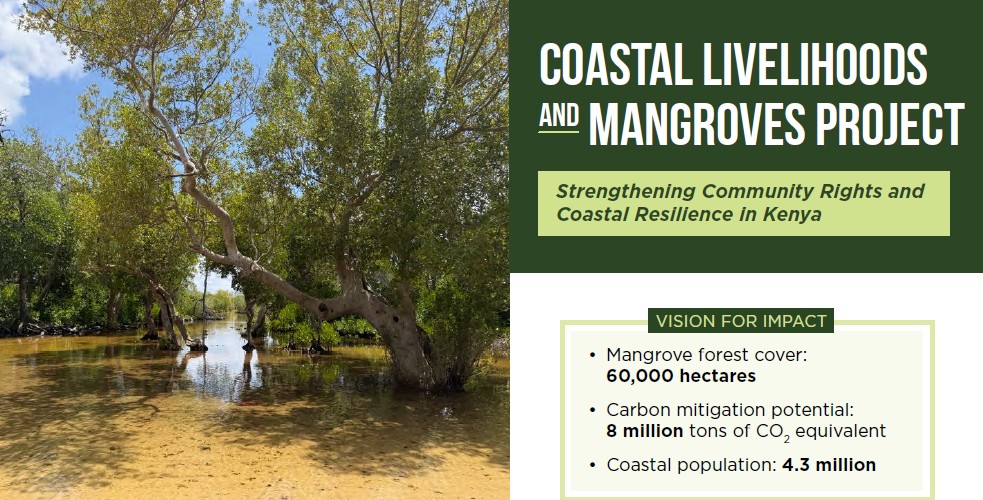
Coastal Livelihoods and Mangroves Project in Kenya
Learn more about Landesa’s work to advance sustainable mangrove ecosystem management in Kenya by strengthening government and community efforts to restore thousands of hectares of mangrove forest—nearly one quarter of the country’s total mangrove area.
Fact Sheets and Brochures
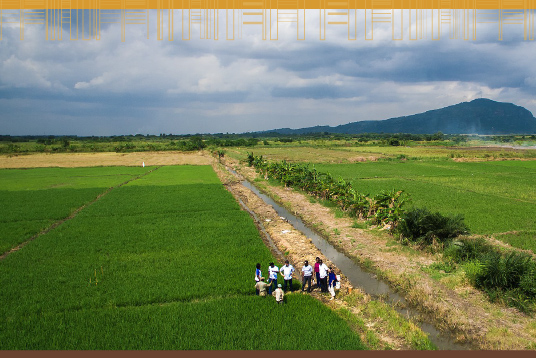
Responsible Investments in Property and Land Resource Platform
Landesa’s Responsible Investments in Property and Land (RIPL) Resource Platform translates international guidelines and best practices for responsible investments in agricultural land into user-friendly guidebooks, with one designed for businesses, one for communities, one for governments, and country-specific guidebooks for Ghana and Tanzania.
Guides
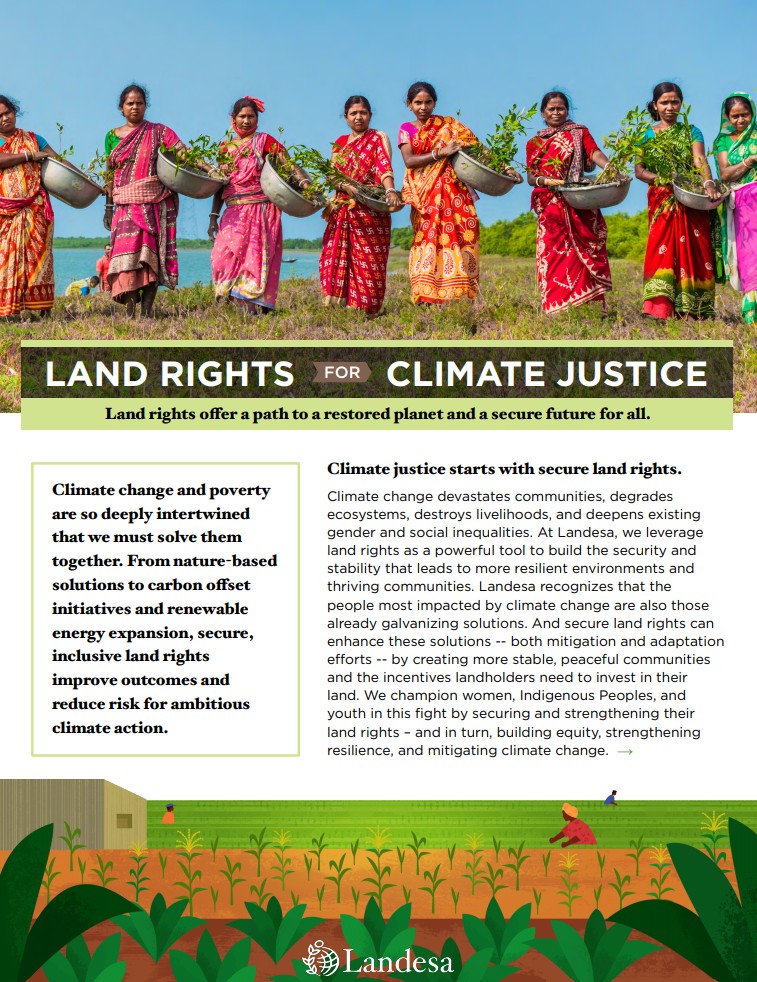
Brief: Land Rights for Climate Justice
Effective climate action depends on the rights and leadership of the people who live on and steward the land. This brief explores how secure, inclusive land rights can improve outcomes and reduce risks across mangrove conservation, carbon markets, renewable energy, and global climate policy.
Issue Briefs
