
News and Blogs



Featured Post
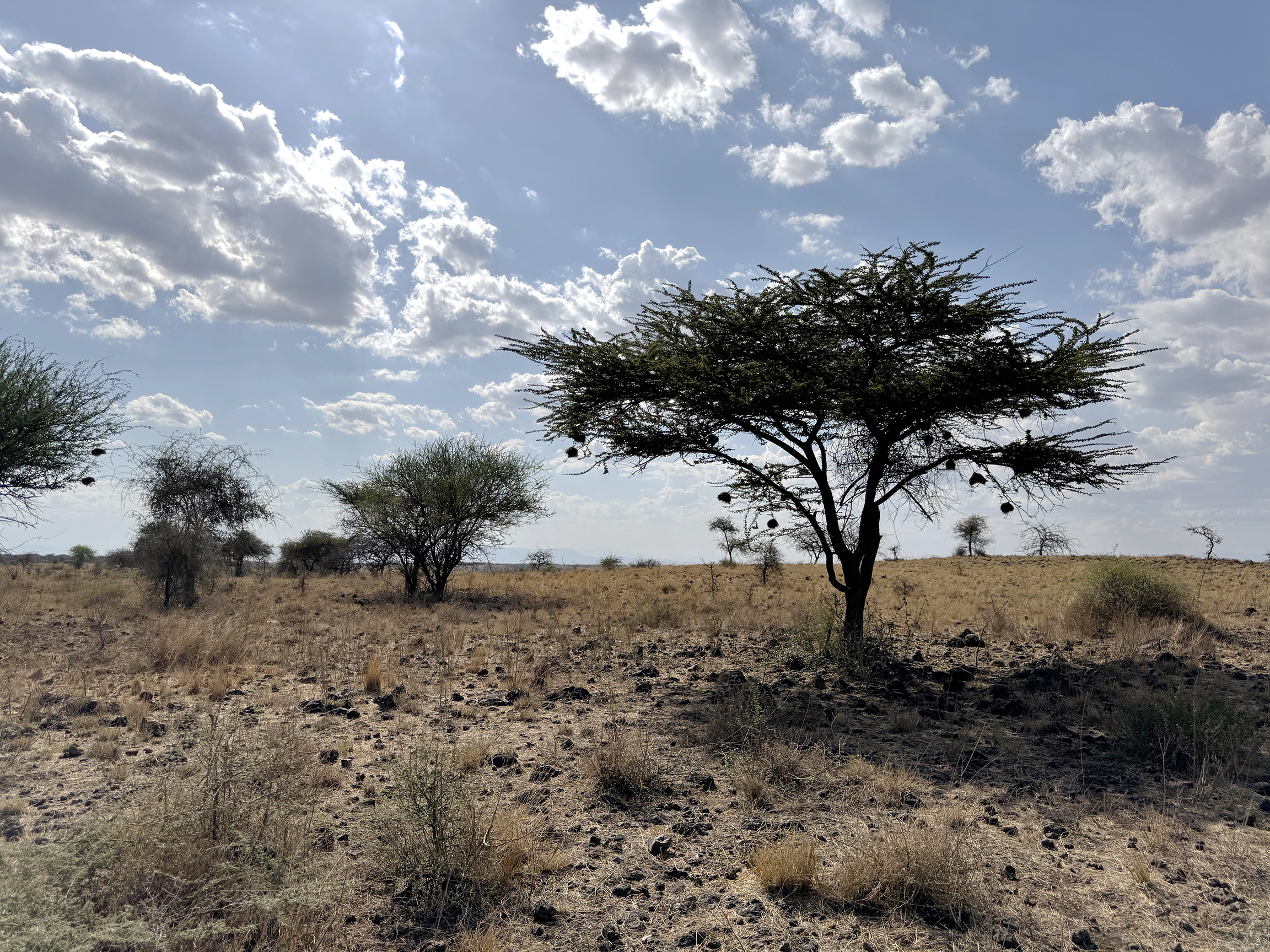
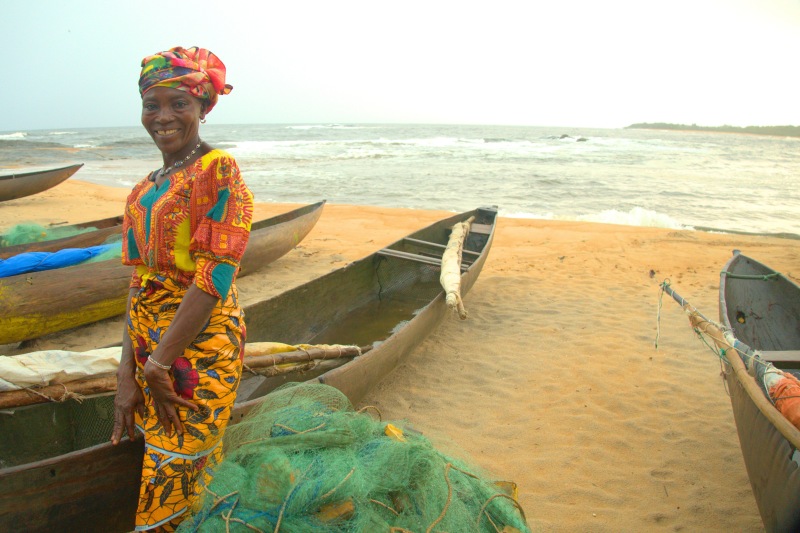
Land-based investment can generate or intensify conflict — but it doesn’t have to. Investment processes that respect community rights, assess risks early, and ensure meaningful consultation and consent are more likely to result in outcomes that work for communities and investors alike.
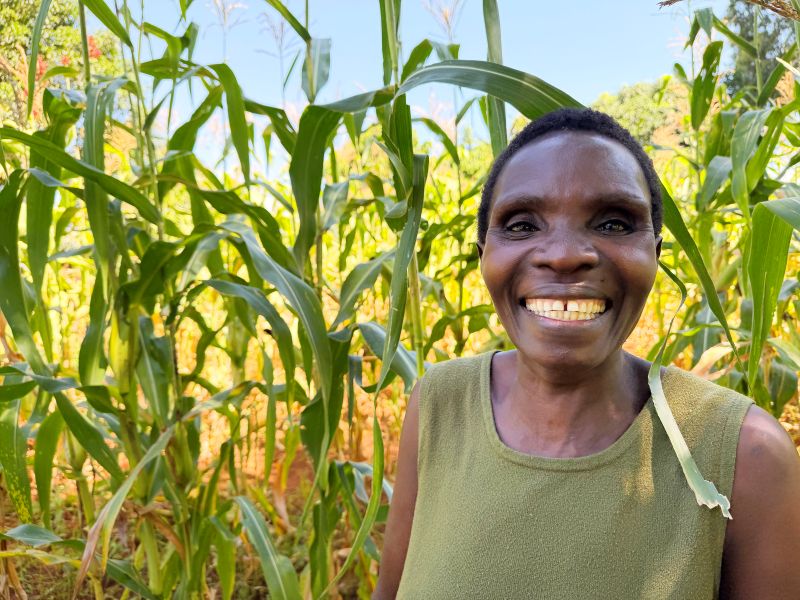
On International Widows Day (June 23), we’re reflecting on the important work to strengthen land and inheritance rights for widows.
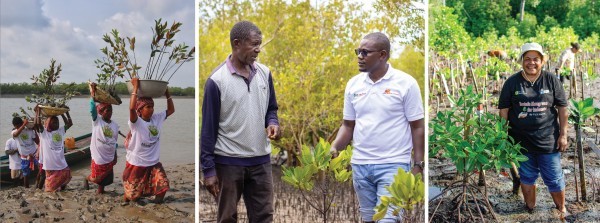
In celebration of Earth Day, we’re announcing an expansion to our Coastal Livelihoods and Mangroves Project, an ambitious effort to strengthen coastal land and tenure rights for millions of people, protect fragile mangrove ecosystems, and mitigate climate change.

The Daily Nation (Kenya) interviewed Landesa’s Jessica Oluoch for a story about an ongoing legal debate over the valuation of women’s unpaid care work, in light of a recent report by the Kenya National Bureau of Statistics indicating that Kenya’s women spend more than five times as many hours engaged in care work as men.

The Citizen TZ — The importance of youth land rights and participation was underscored at a workshop convened by the Youth and Land Multi-Stakeholder Platform in Africa (YLMPA). Landesa helped create the YLMPA, which now includes 55 members from 18 countries.
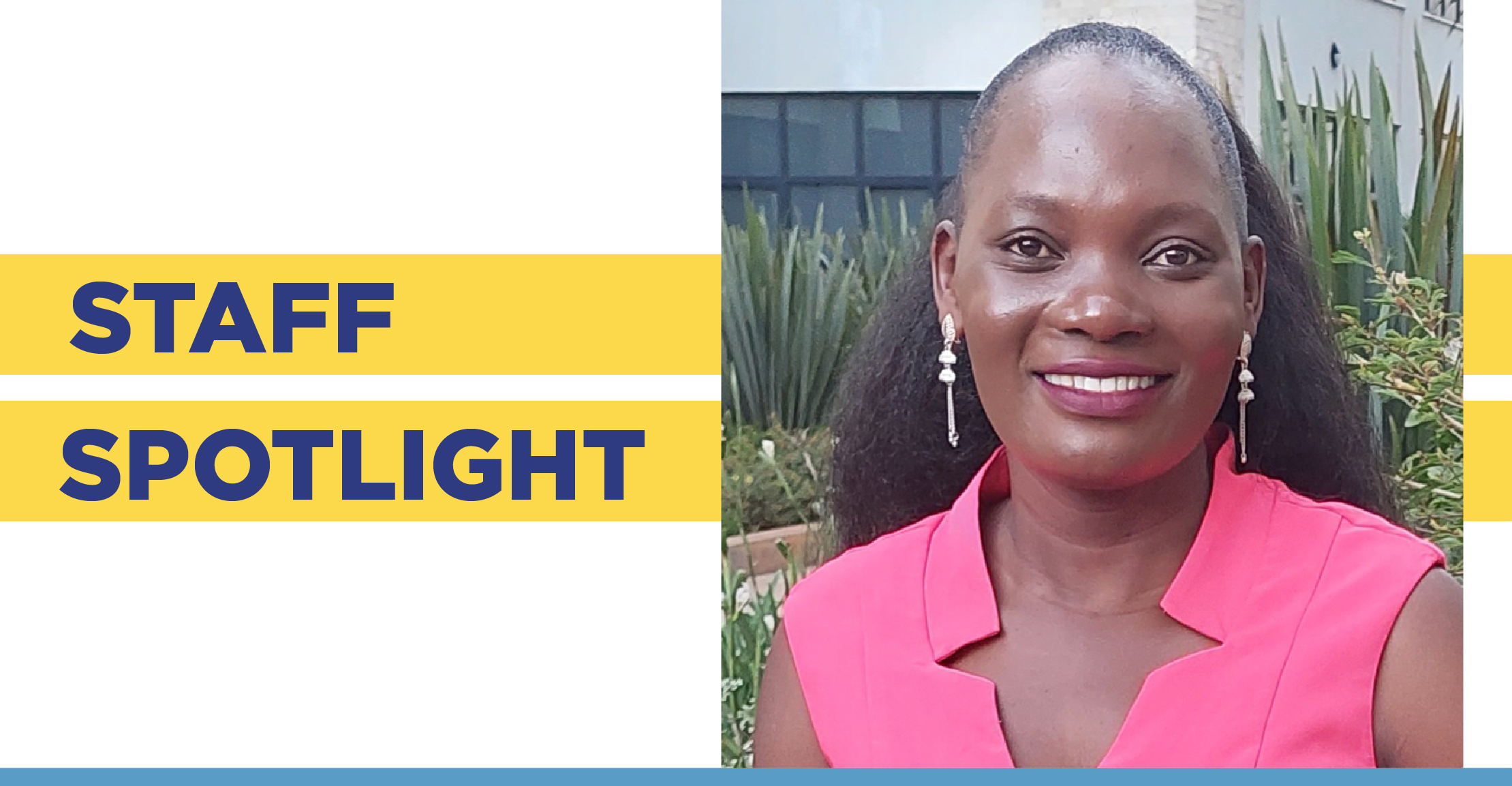
Meet Racheal Kisiangani, Landesa’s Senior Land Tenure Specialist based in Nairobi, Kenya. Racheal started working for Landesa in 2023.
Hammer to Nail — Widow Champion filmmakers credit a Sundance storytelling grant Landesa received for sparking their Tribeca-premiered documentary on Kenyan activist Rodah Nafula’s fight against widowhood-related land dispossession.
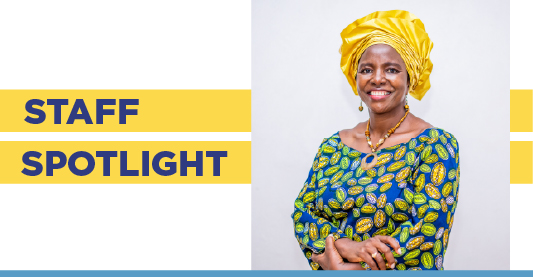
Meet Esther Mwaura-Muiru, Landesa’s Global Advocacy Director, Stand for Her Land based in Nairobi, Kenya. Esther started working for Landesa in 2022.
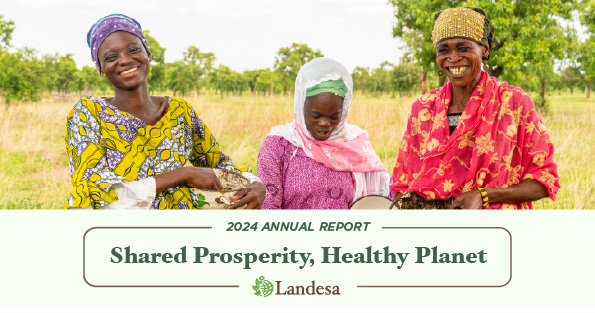
We are pleased to share Landesa’s 2024 Annual Report, which highlights our impact over the past year and introduces our 2025-27 Strategic Plan.
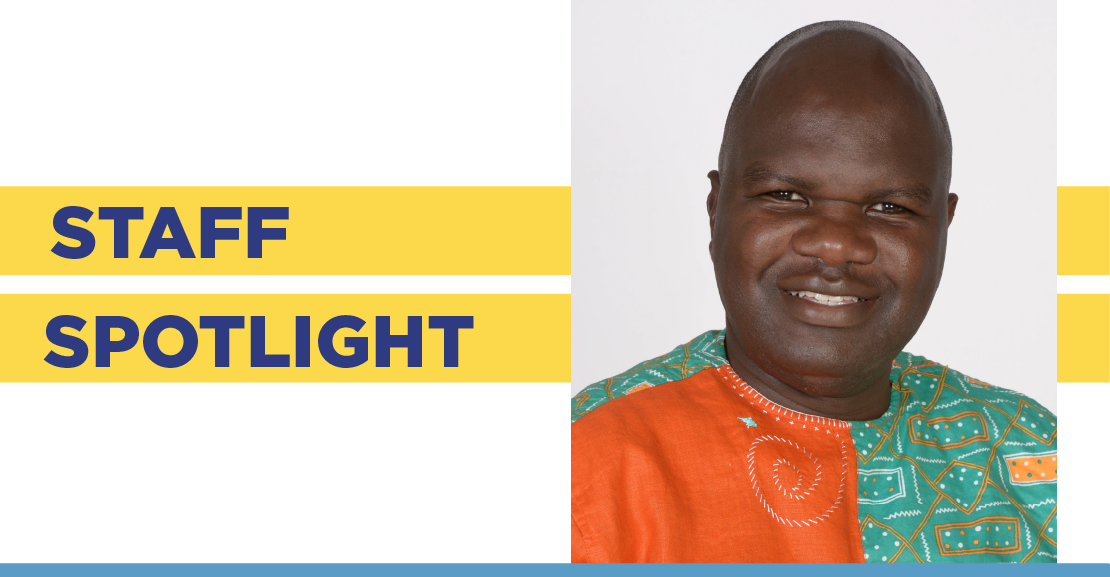
Meet Robert Wayumba, Landesa’s Senior Land Tenure Specialist based in Nairobi, Kenya. Robert began working for Landesa in 2022.
