




Uganda has just adopted this year its first national land policy. This comes at a time when land is coming under increasing pressure in the country from a rapidly growing population and the demands of commercial agriculture. An estimated 80 percent of Ugandans rely on agriculture to survive and the sector accounts for 40 percent of its GDP. In short, a national land policy is vitally important to the country economic growth and stability. The process Uganda used to develop this policy was inclusive and consultative and a great example for other countries. Learn about the process, the lessons learned, and the promise of this new policy in this research paper | Download the paper (160KB PDF)
Related news
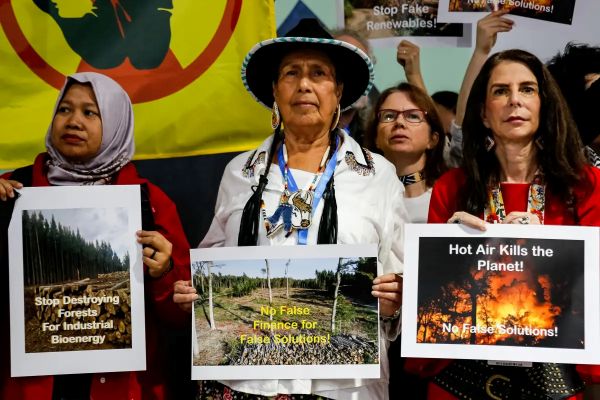
California extends cap-and-trade, as Indigenous nations grapple with the trade-offs
Grist — Landesa’s Juan Robalino emphasizes that carbon markets must ensure both environmental and social integrity. The article cites Landesa’s 2023 report, which warns that poorly regulated projects can displace Indigenous communities and calls for safeguards that uphold community rights.
September 29, 2025

125 Food and Agriculture Organizations to Watch in 2025
Food Tank — Landesa was highlighted for our work to drive change for farmers to build climate resilience and advocate for people- and farmer-centered policies.
December 27, 2024

Staff Spotlight: Robert Wayumba
Meet Robert Wayumba, Landesa’s Senior Land Tenure Specialist based in Nairobi, Kenya. Robert began working for Landesa in 2022.
December 18, 2024
