




Why guidance on human rights grievances in Landscape and Jurisdictional initiatives (LJIs)?
Respect for human rights is a key element of any LJI. LJIs, as complex multi-stakeholder processes can create significant benefits, but they can also pose risks to people if rights and interests are not adequately respected during an LJI’s interventions.
A social safeguarding and human rights grievance guidance for LJIs helps ensure that landscape-level sustainability efforts do not create or worsen negative impact on people, while providing clear processes to protect rights, address complaints, strengthen stakeholder trust, and improve the effectiveness and credibility of the initiative.
For more information on social safeguarding, check out Proforest’s companion Social Safeguarding in LJIs guidance.
Guidance on HR Grievance mechanism in LJIs
Even with strong safeguards, grievances may still occur. When an initiative causes or contributes to a grievance, it is responsible for addressing the issue and providing remedy. Grievances are claims of harm experienced by individuals or groups, making clear and accessible resolution mechanisms essential. While grievances can relate to both human rights and environmental impacts, this guidance focuses on human rights issues.
Establishing a grievance mechanism is considered good practice and is increasingly expected under social safeguard requirements. This is reflected in the Core Criteria for Mature Landscape Initiatives, endorsed by more than 20 landscape organisations, and is increasingly required by funders, including members of the Consumer Goods Forum’s Forest Positive Coalition, as part of landscape engagement and due diligence expectations.
Download the Guidance (pdf)Related resources
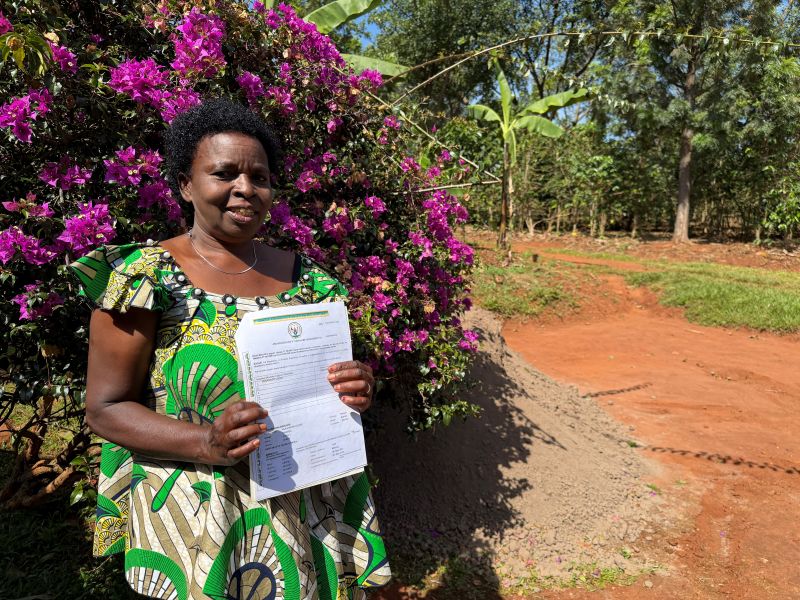
“Land is my job”
When Louise was widowed in 2005, her livelihood came under threat: her land was not registered, leaving her without secure rights to her land. Widows are often targeted for land takings, encounter boundary disputes, and face barriers to inheritance. Without her land, she would lose her food security and her income.
Success Stories

“My name will be written on this land”
Rebecca Ogalo spent more than two decades fearing she could lose the land she depended on to raise her son, until a Landesa land clinic in Kisumu, Kenya helped uncover the records needed to receive a land title in her name.
Success Stories
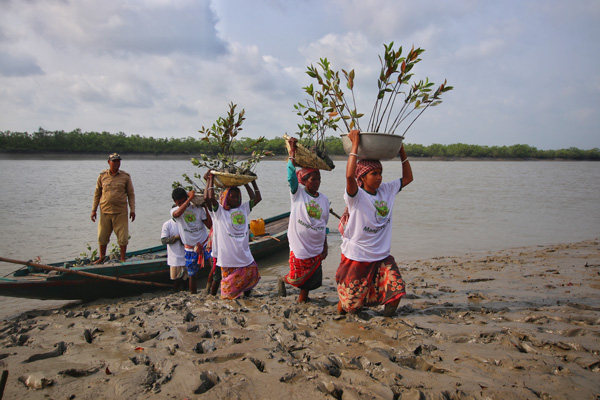
Coastal Livelihoods and Mangroves Project Overview
Mangrove forests are among the planet’s most productive ecosystems, supporting livelihoods for hundreds of millions of coastal people while storing vast amounts of carbon. Since 2022, Landesa has partnered with governments, civil society and local communities to strengthen coastal land tenure rights in some of the world’s most vital – and vulnerable – mangrove areas. This ambitious effort is improving outcomes for people and planet through programming that sustains livelihoods, protects mangroves, and mitigates climate change.
Fact Sheets and Brochures
