



Louise Mukahigira
Kirehe District, Rwanda
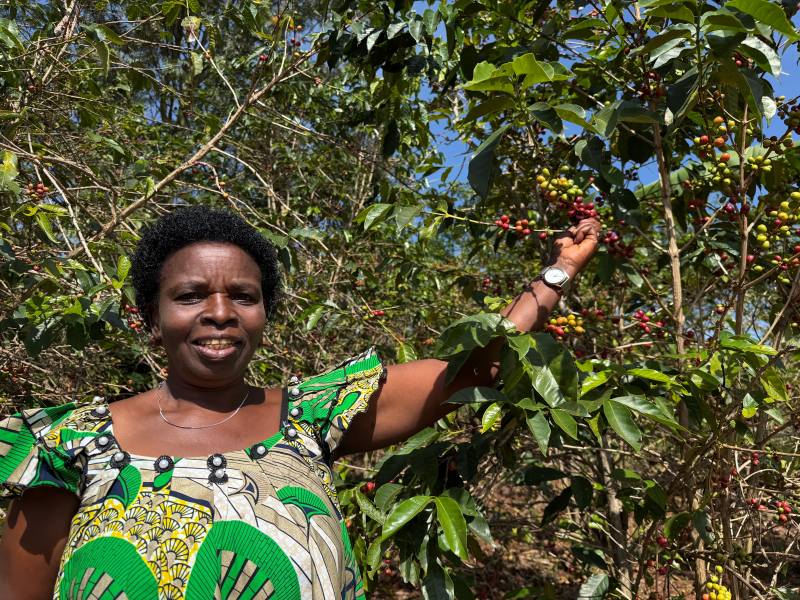
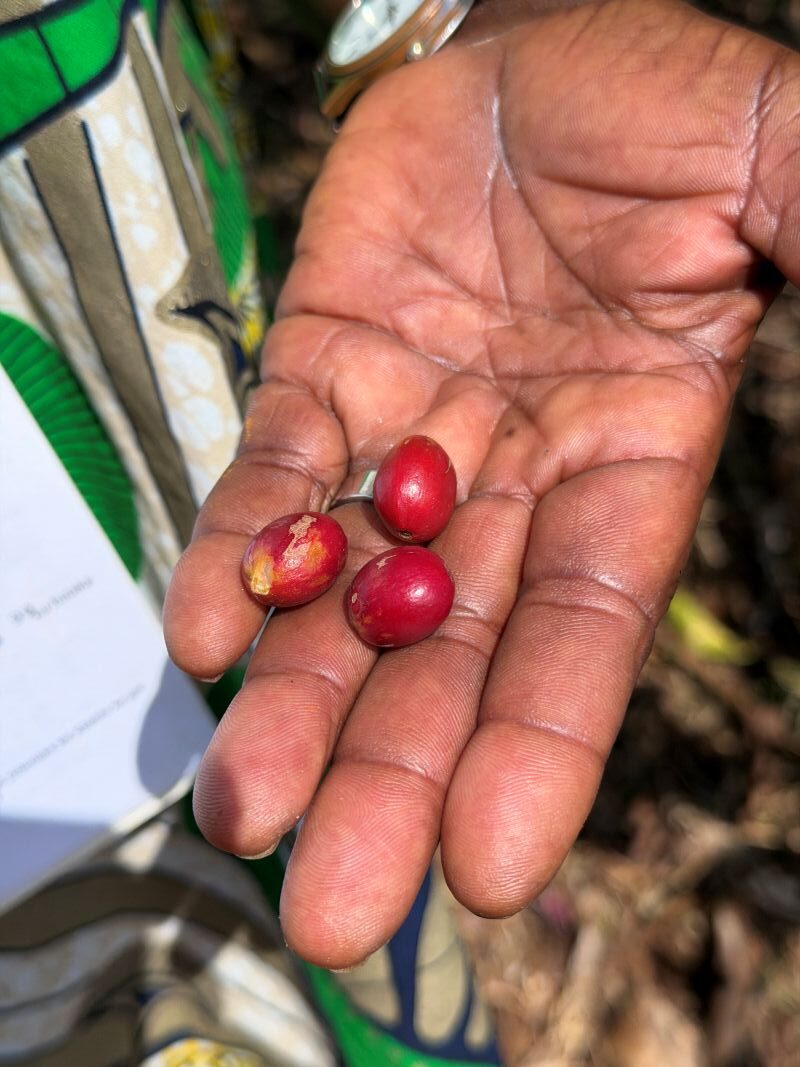
Louise Mukahigira, 64, lives in Kirehe District in Rwanda’s Eastern Province, where she maintains a coffee plantation and a small farm to earn a living. She works the land to earn everything she needs – her efforts are central to her identity and how she sees herself.
“Land is my life, because land is what I do – land is my job,” she says.
But when she was widowed in 2005, her livelihood came under threat: her land was not registered, leaving her without secure rights to her land. Widows are often targeted for land takings, encounter boundary disputes, and face barriers to inheritance. Without her land, she would lose her food security and her income.
“I farm, and what I farm, I eat, or sell at the market for money for other household needs,” Louise says.
In 2025, Louise was finally able to secure her rights to land, thanks to a land registration and boundary correction program organized by Landesa in partnership with local and national government.
In Kirehe and two other districts in Rwanda, Landesa used radio programming and organized land clinics to alert communities about a land registration effort, ensuring that the process was inclusive of traditionally excluded groups, including women (especially single women and widows), youth, and persons with disabilities.
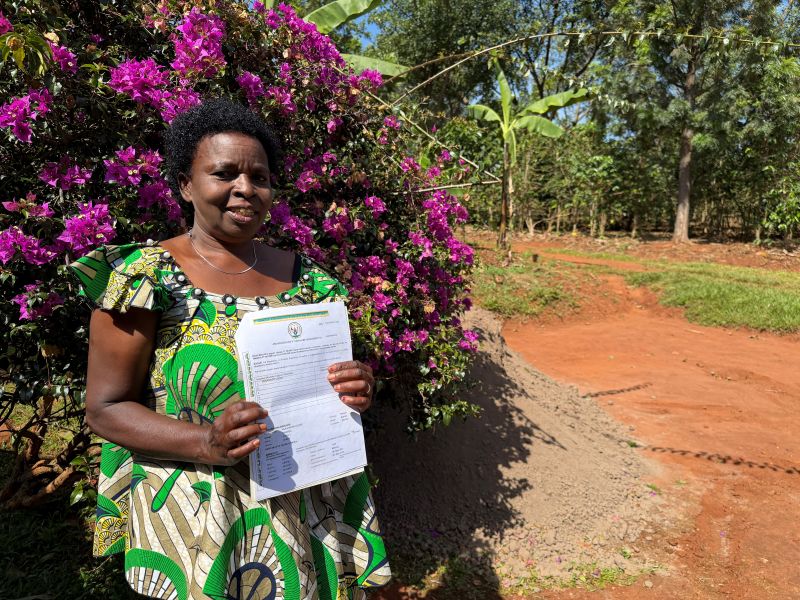
Louise was able to get her land surveyed and registered at no cost. With her parcel mapped and registered, she now has security over her land. Across the three districts, disputes have decreased.
According to estimates by the National Land Authority, it costs a household on average about 47,000 Rwandan Francs (about $32) to update their land registration and boundary correction work on their own. By going through Landesa, households received this valuable service free of charge, increasing their tenure security while keeping a significant amount of money in their pockets. In total, Landesa reached approximately 85,000 households across the three districts, meaning the project helped save households an estimated $2.7 million USD equivalent in registration and survey costs – money that remained in the pockets of beneficiaries and could be reinvested into their homes and their land.
Related resources
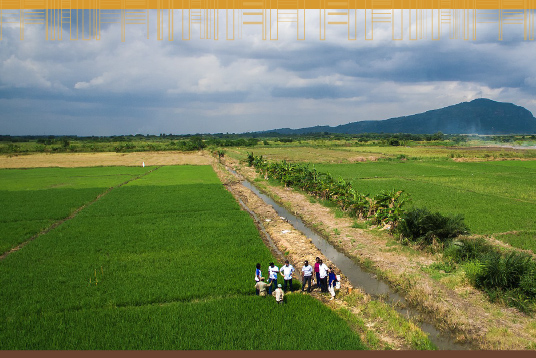
Responsible Investments in Property and Land Resource Platform
Landesa’s Responsible Investments in Property and Land (RIPL) Resource Platform translates international guidelines and best practices for responsible investments in agricultural land into user-friendly guidebooks, with one designed for businesses, one for communities, one for governments, and country-specific guidebooks for Ghana and Tanzania.
Landesa Reports
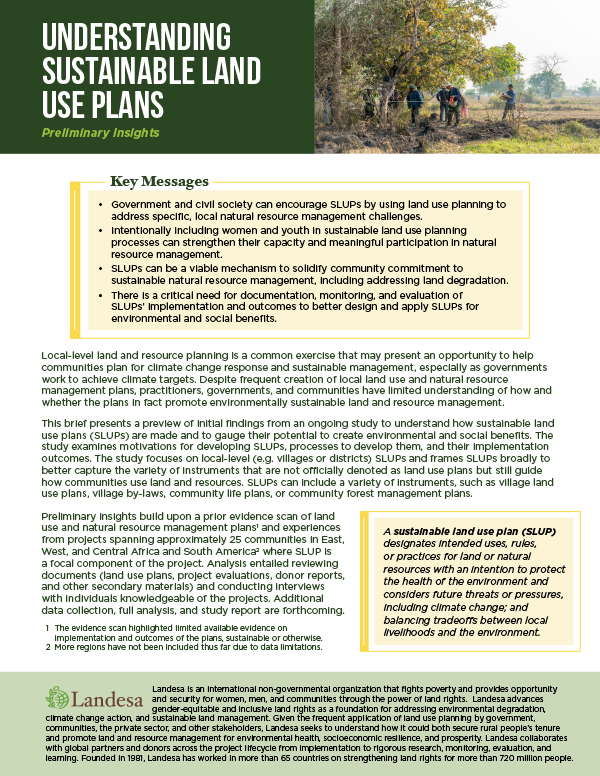
Brief: Understanding Sustainable Land Use Plans
Land and resource planning can help communities respond to climate change and engage in sustainable management practices. This brief presents initial findings from an ongoing study into the development of sustainable land use plans and their potential to create environmental and social benefits.
Issue Briefs
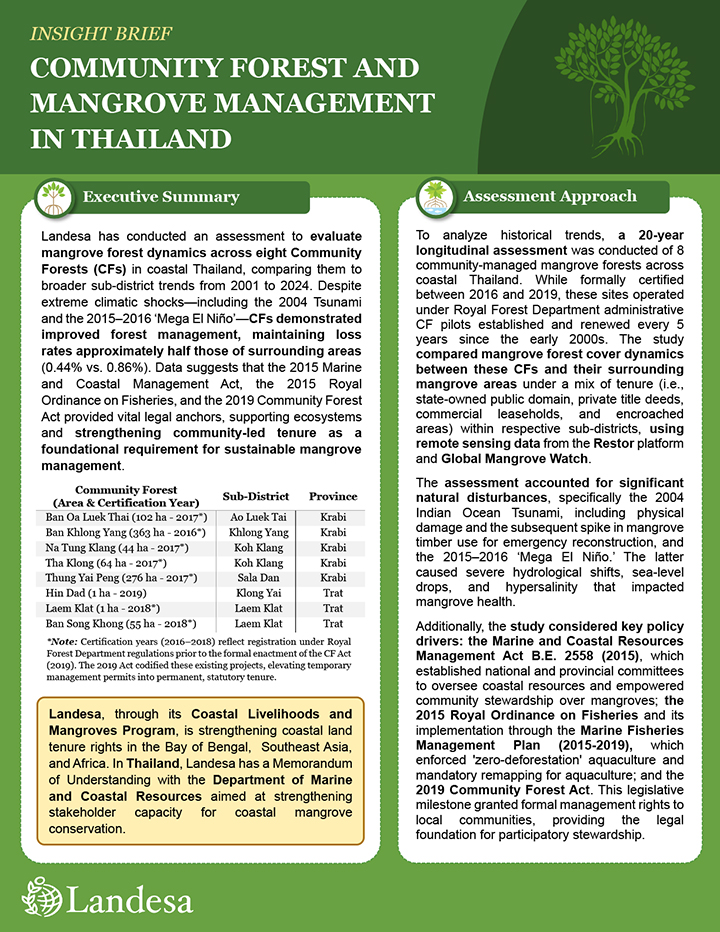
Insight Brief: Community Forest and Mangrove Management in Thailand
A 20-year assessment of mangrove forest dynamics in Thailand suggests that Community Forests perform better than surrounding forest areas at preventing tree cover loss.
Issue Briefs
