




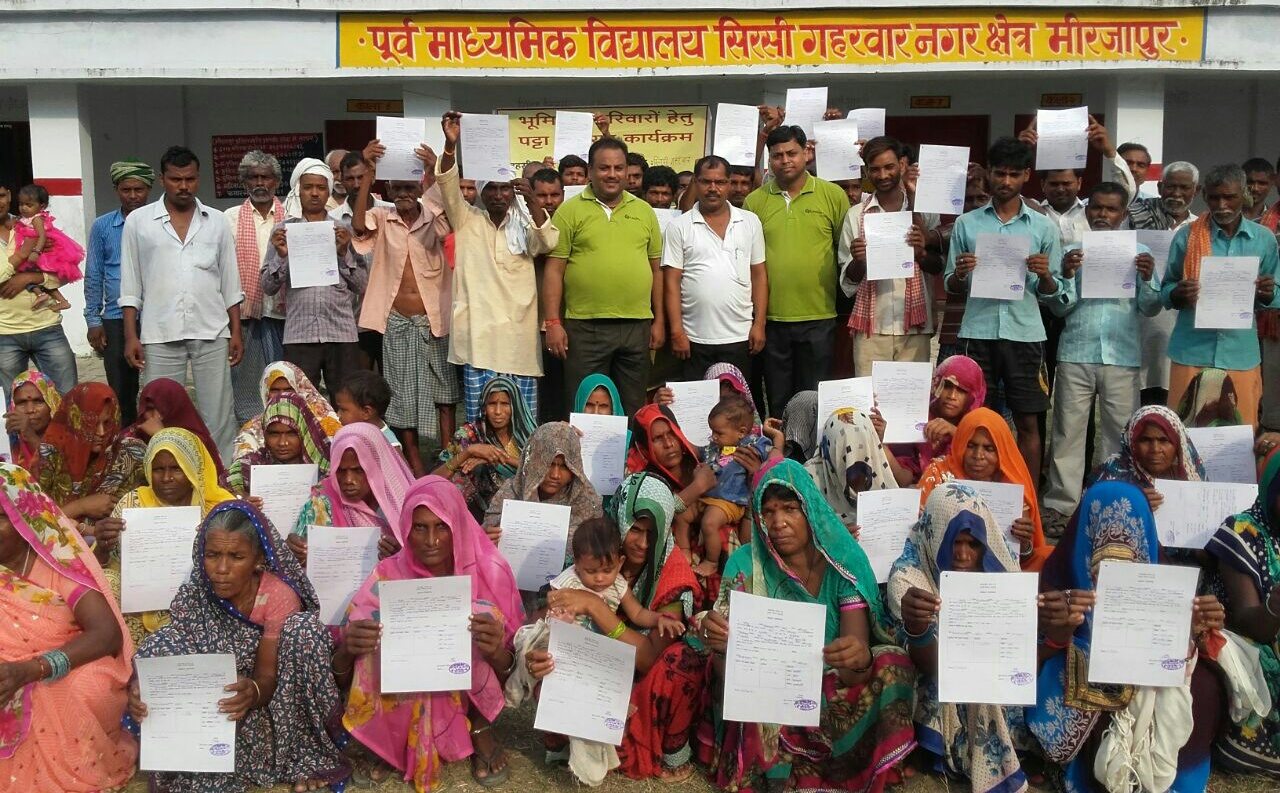
In a milestone for rural families in Uttar Pradesh, India, local government officials distributed land titles to 331 formerly landless households in two villages in Mirzapur district.
On Aug. 27, land titles, or pattas, were distributed to 80 households in Sirsi, including eight titles to single women. The following week, 251 pattas were distributed to households in Karkad, including 16 to single women.
The public ceremonies were attended by a number of local leaders and officials.
“Public distribution of land titles improves transparency in the process, and ensures the participation of all stakeholders,” said Ishteyaq Ahamad, Landesa Field Support Officer, Mirzapur District.
In Uttar Pradesh and elsewhere, Landesa staff partner with local officials to extend land rights to formerly landless households. Significantly, Landesa advocates for women’s names to be listed on land titles, helping ensure that women enjoy the same rights and protections as men.
“Land titles in women’s names are far more than a source of subsistence,” said Abhiskek Gupta, Landesa’s District Program Manager in Mirzapur. “It improves their social status, changes the way people see them, and elevates their sense of value within their families, communities, and in society.”
Related resources
Mangrove Ecosystem Service Valuation in Indonesia’s New Capital City – IKN
This brief highlights how recognizing and integrating the ecosystem services of mangroves into planning decisions—complemented by conservation efforts and sustainable resource use through strengthened tenure rights—is essential to promoting sustainable land use in Indonesia’s intended new capital city.
Landesa Reports, Research
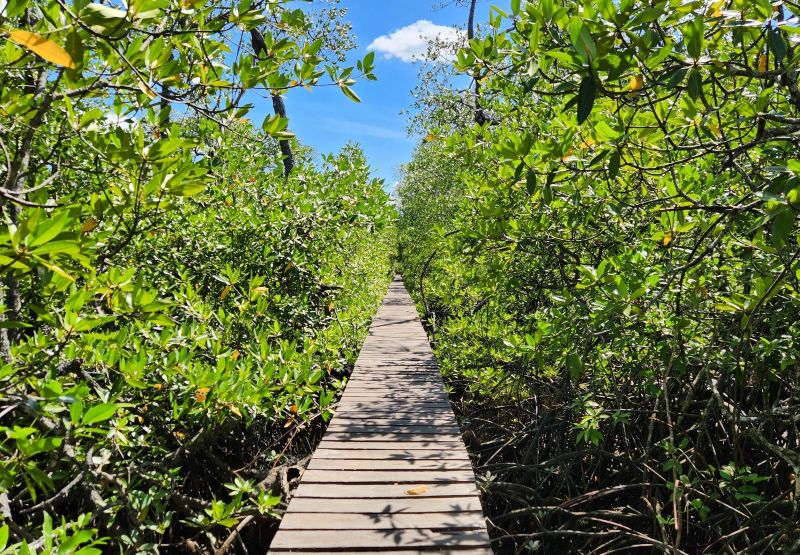
Integrating Mangrove Ecosystem Valuation, Land Certification, and Gender Inclusion in Nusantara Capital City
Landesa’s new study demonstrates how Indonesia’s intended new capital city can showcase integrated and inclusive tenure security and coastal management that balance urban development with mangrove ecosystem conservation. The study reveals the feasibility of implementing Payment for Ecosystem Services and proposes integrating ecosystem service economics with the land certification framework in the country, pioneering gender-responsive ecosystem service rights certification.
Landesa Reports, Research
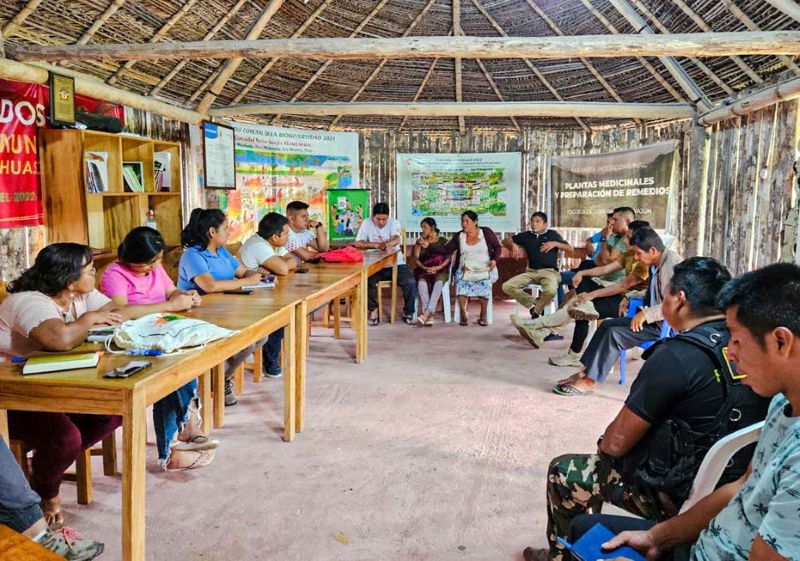
Consultation and Consent in Indigenous-led Carbon Projects: Good practices and lessons learned from the Awajun Tajimat Pujut Initiative (English & Spanish)
This case study provides lessons and good practices from the Tajimat Pujut Initiative (TPI), an Indigenous-led carbon project in Peru, offering insights into how effective consultation and consent practices can support responsible carbon projects that align with Indigenous values and deliver sustainable returns for their use and management of land and forests.
Research
