




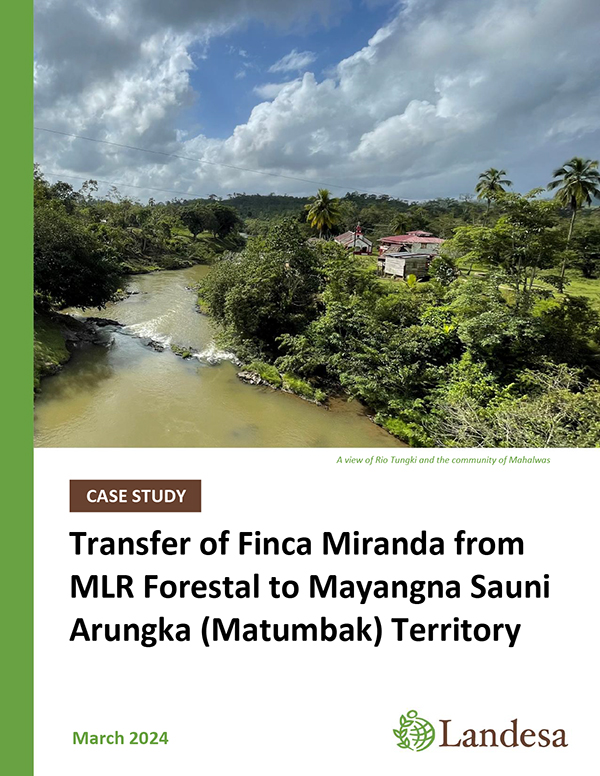
The return or transfer of land from a company to a community has the potential to bring about positive outcomes for all parties. But this practice—also known as land divestment or land relinquishment—may present risks to the communities that would stand to benefit, including elite capture, increased land conflicts, and the loss of economic benefits from the cessation of a company’s operations on the returned land. A responsible land transfer process, built on robust community consultation and consent, can help mitigate these risks and ensure that communities are able to participate in decisions that result in a positive outcome for both the community and company.
This case study describes the successful transfer of land from MLR Forestal de Nicaragua S.A. (MLR), an agroforestry company operating in northeastern Nicaragua, to the Mayangna Indigenous communities of the Mayangna Sauni Arungka (Matumbak) Territory, through a multi-year free, prior, and informed consent (FPIC) process. The findings confirm the importance of a robust consultation and consent process to address risks associated with land transfer, while illuminating the challenges, lessons learned, and considerations for future instances of land transfer from companies to communities.
Case Study – English Case Study – Español Case Study – MayangnaCategory:
Related resources
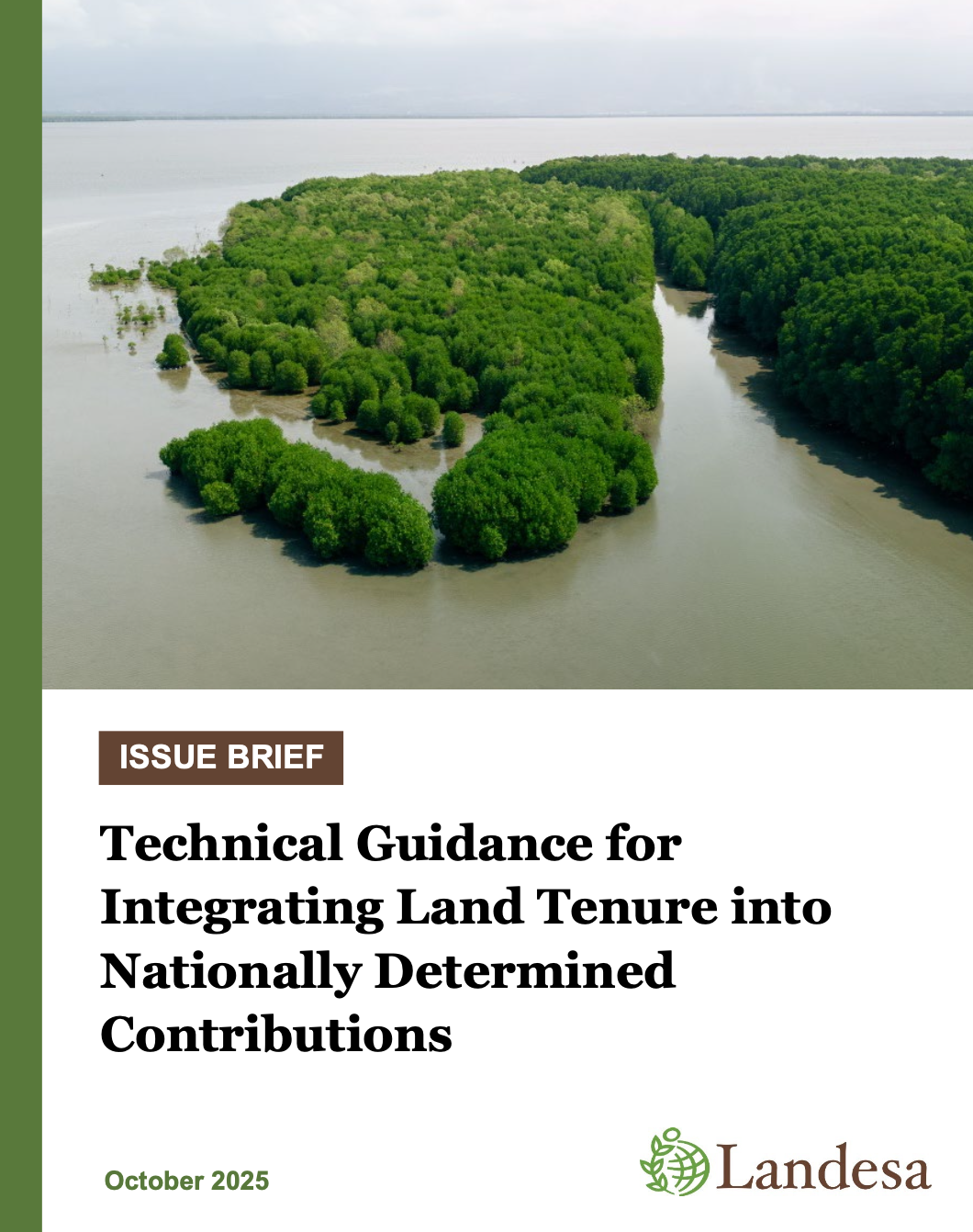
Technical Guidance for Integrating Land Tenure into Nationally Determined Contributions
This resource offers technical guidance to governments and their counterparts on integrating land tenure into Nationally Determined Contributions (NDCs) and their implementation. Key messages:…
Issue Briefs
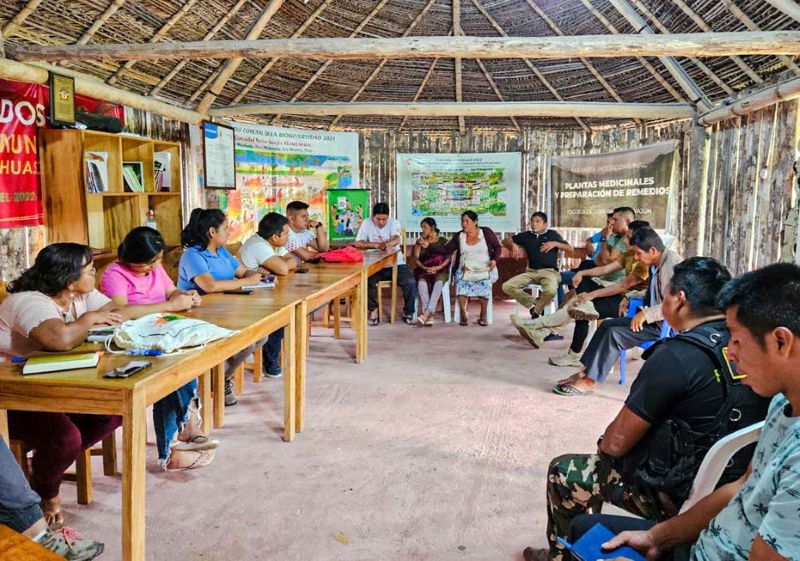
Consultation and Consent in Indigenous-led Carbon Projects: Good practices and lessons learned from the Awajun Tajimat Pujut Initiative (English & Spanish)
This case study provides lessons and good practices from the Tajimat Pujut Initiative (TPI), an Indigenous-led carbon project in Peru, offering insights into how effective consultation and consent practices can support responsible carbon projects that align with Indigenous values and deliver sustainable returns for their use and management of land and forests.
Research
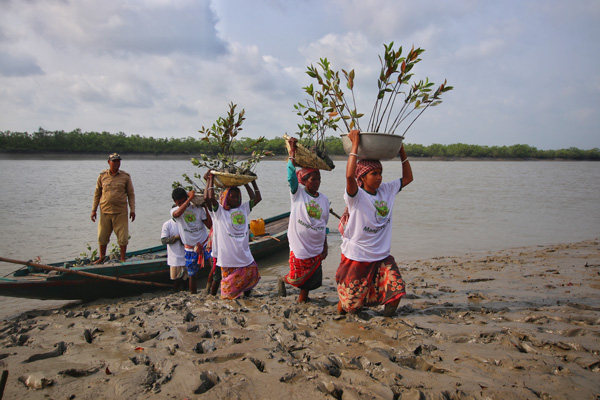
Coastal Livelihoods and Mangroves Project Overview
Over 70 million people depend on the mangrove forests in the Bay of Bengal and Southeast Asia. Using a regional and collaborative approach, Landesa is strengthening their coastal land tenure rights through an ambitious program that will sustain livelihoods, protect mangrove forests, and mitigate climate change. Learn more about this project.
Fact Sheets and Brochures
