




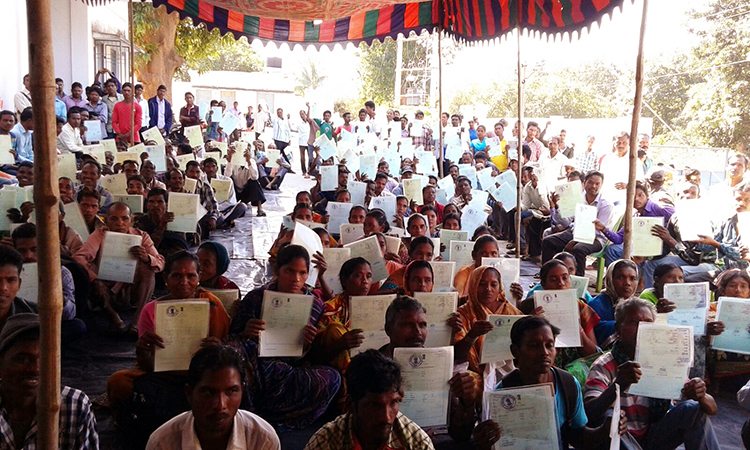
In Odisha, Landesa is using an everyday device — a mobile phone — to connect landless women with resources and rights to land. Last month, 300 landless women received land titles through the program, which is supported by Frontline SMS and Google.org.
SMS technology helps facilitate data collection for Community Resource Persons, locally trained youth tasked with identifying landless households in three districts in Odisha. Information is then forwarded to the state government, which issues land titles to the affected families. The use of mobile phones helps streamline what is often a colossal and convoluted process.
“I’m looking after 40 villages. SMS technology comes handy in managing the information and progress tracking. No more hassle in commuting in the hilly terrain in a gearless bike, time and again, to cover the large area of operation,” said Jamuna Behera, a local official.
Category:
Related resources
Mangrove Ecosystem Service Valuation in Indonesia’s New Capital City – IKN
This brief highlights how recognizing and integrating the ecosystem services of mangroves into planning decisions—complemented by conservation efforts and sustainable resource use through strengthened tenure rights—is essential to promoting sustainable land use in Indonesia’s intended new capital city.
Landesa Reports, Research
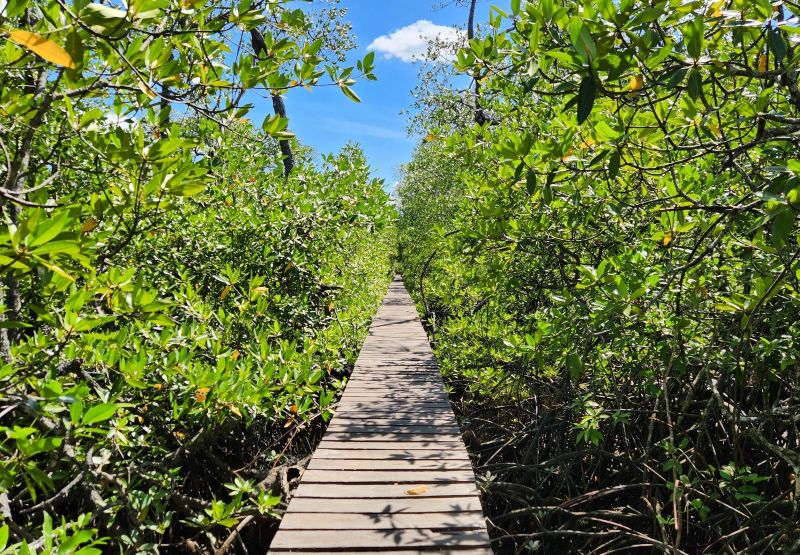
Integrating Mangrove Ecosystem Valuation, Land Certification, and Gender Inclusion in Nusantara Capital City
Landesa’s new study demonstrates how Indonesia’s intended new capital city can showcase integrated and inclusive tenure security and coastal management that balance urban development with mangrove ecosystem conservation. The study reveals the feasibility of implementing Payment for Ecosystem Services and proposes integrating ecosystem service economics with the land certification framework in the country, pioneering gender-responsive ecosystem service rights certification.
Landesa Reports, Research
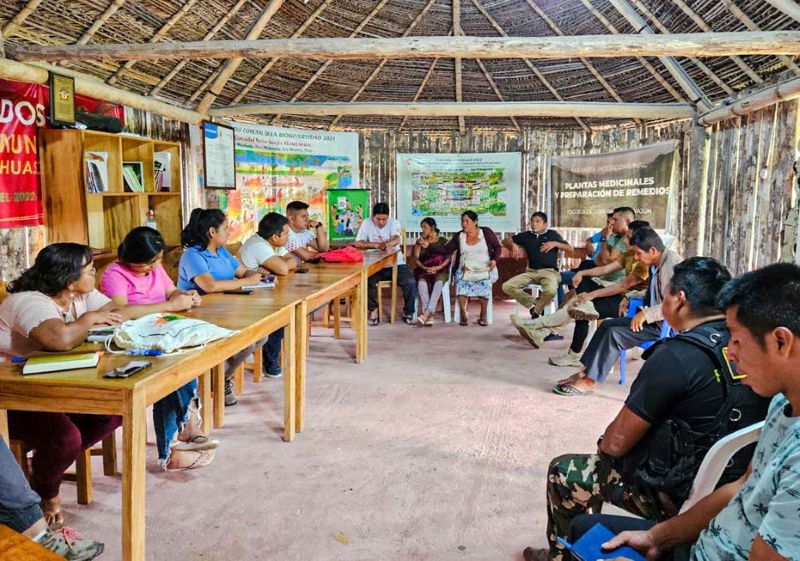
Consultation and Consent in Indigenous-led Carbon Projects: Good practices and lessons learned from the Awajun Tajimat Pujut Initiative (English & Spanish)
This case study provides lessons and good practices from the Tajimat Pujut Initiative (TPI), an Indigenous-led carbon project in Peru, offering insights into how effective consultation and consent practices can support responsible carbon projects that align with Indigenous values and deliver sustainable returns for their use and management of land and forests.
Research
