


《越南农村宅基地制度初步研究》在土地国有制的框架下考察越南农村宅基地的取得与流转情况。研究发现,越南的宅基地使用权长期稳定且无期限,但国家分配宅基地仅限制于无宅基地的困难农户;新增宅基地主要由政府将农田重新规划后公开拍卖,面向包括城市居民在内的所有竞买人,形成了基本市场化的宅基地配置机制。妇女权利方面,土地使用权已从家庭财产转向夫妻共同财产,法律要求土地证登记夫妻双方姓名,但登记实践远未落实,女儿的继承权仍受传统习俗排斥。报告认为,缺乏监管的宅基地市场可能带来三重风险:城市资本进入挤压农民的居住用地获取空间、土地投机催生房地产泡沫,以及征地补偿与拍卖收益之间的落差促使地方政府过度转用农地。
This study examines how rural households in Vietnam obtain and transfer residential land, within a system of state ownership and private use rights. It finds that residential land use rights are long-term and have no time limit, but state allocation is now narrow and only households that have no plot and meet hardship conditions are eligible for allocation. New and additional plots come mostly from public auctions of farmland that the state has rezoned, open to all bidders including urban residents. The result is a largely market-based mechanism for allocating residential land. On women’s rights, land use rights have moved from household property to marital property, and the law requires both spouses’ names on the certificate, but registration practice lags far behind the law, and customs continue to exclude daughters from inheritance of residential land. The study identifies three risks in an unregulated residential land market: urban buyers crowd farmers out of the land they need for housing; speculation builds a property bubble; and the gap between expropriation compensation and auction proceeds incentivizes local government to convert too much farmland in pursuit of profit.
Download (CN)Category:
Related resources
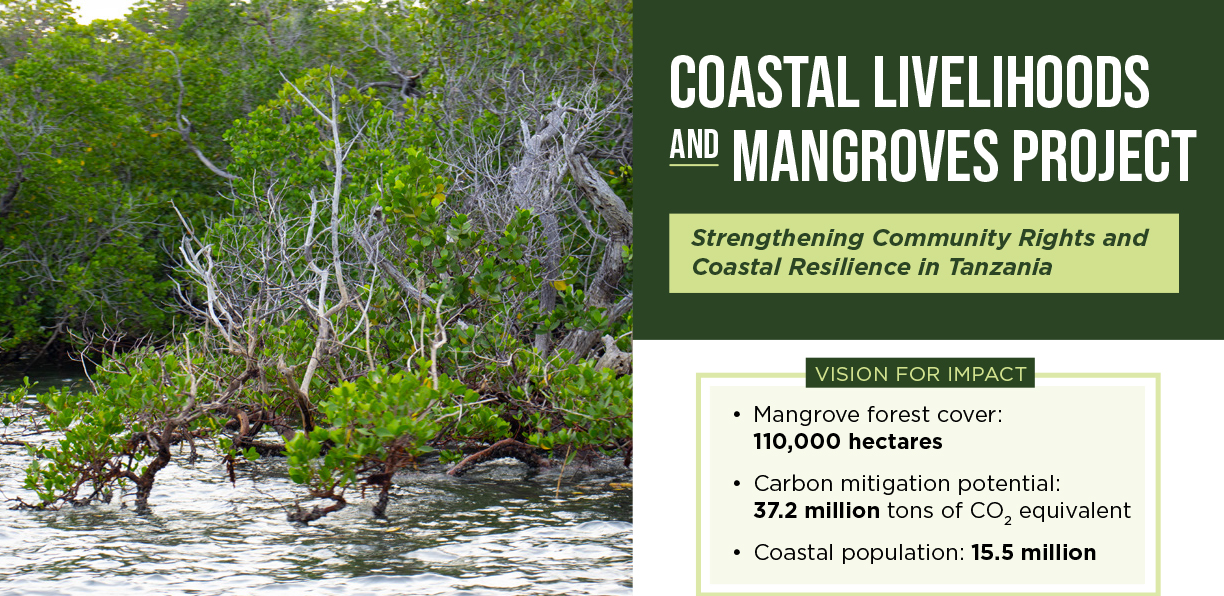
Coastal Livelihoods and Mangroves Project in Tanzania
In Tanzania, Landesa is partnering with government, civil society, and communities to advance sustainable mangrove forest management while strengthening livelihoods for millions of coastal inhabitants.
Fact Sheets and Brochures
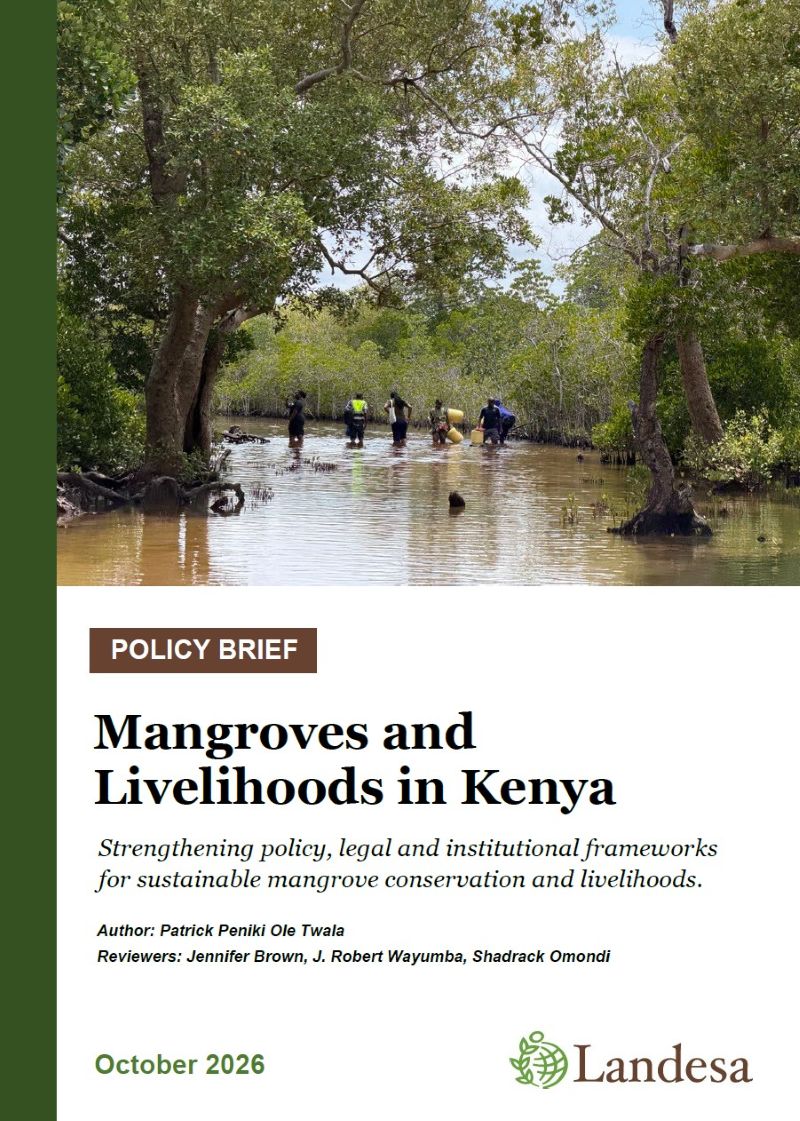
Policy Brief: Mangroves and Livelihoods in Kenya
Learn more about Landesa’s work to strengthen policy, legal, and institutional frameworks for sustainable mangrove conservation and livelihoods in Kenya.
Fact Sheets and Brochures
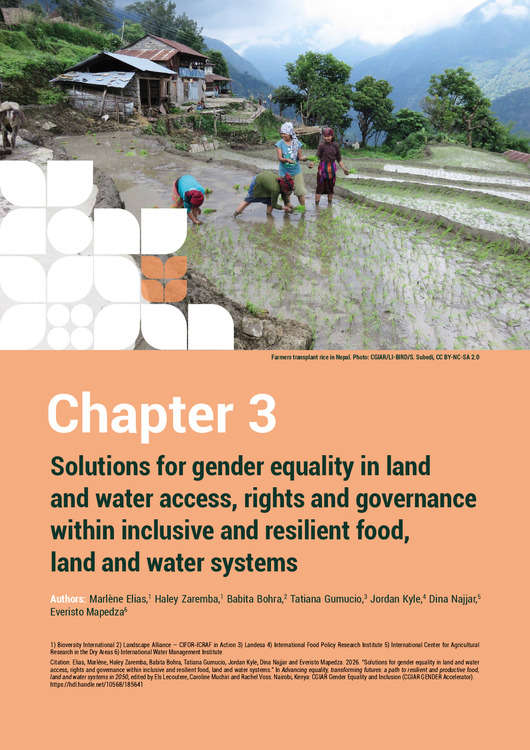
Solutions for gender equality in land and water access, rights and governance within inclusive and resilient food, land and water systems
CGIAR — Landesa’s Tatiana Gumucio co-authored a chapter in Advancing Equality, Transforming Futures on strengthening women’s land and water rights. Drawing on evidence from diverse contexts, the chapter identifies practical approaches to improve women’s access to resources and participation in land and water governance, with recommendations for policy and practice.
Research
