




Women’s land rights received another significant endorsement last month, this time during the convening of the 60th U.N. Commission on the Status of Women (CSW). Member states of the CSW unanimously agreed that women must have equal rights to access, ownership, and control over land. Landesa worked with partners to urge for the inclusion of women’s land rights in the Commission’s negotiations. The Agreed Conclusions, endorsed by member states, contain two explicit references to women’s rights that urge states to enact strong, unequivocal laws governing women’s land rights, while ensuring that equal rights are realized.
Category:
Related resources
Mangrove Ecosystem Service Valuation in Indonesia’s New Capital City – IKN
This brief highlights how recognizing and integrating the ecosystem services of mangroves into planning decisions—complemented by conservation efforts and sustainable resource use through strengthened tenure rights—is essential to promoting sustainable land use in Indonesia’s intended new capital city.
Landesa Reports, Research
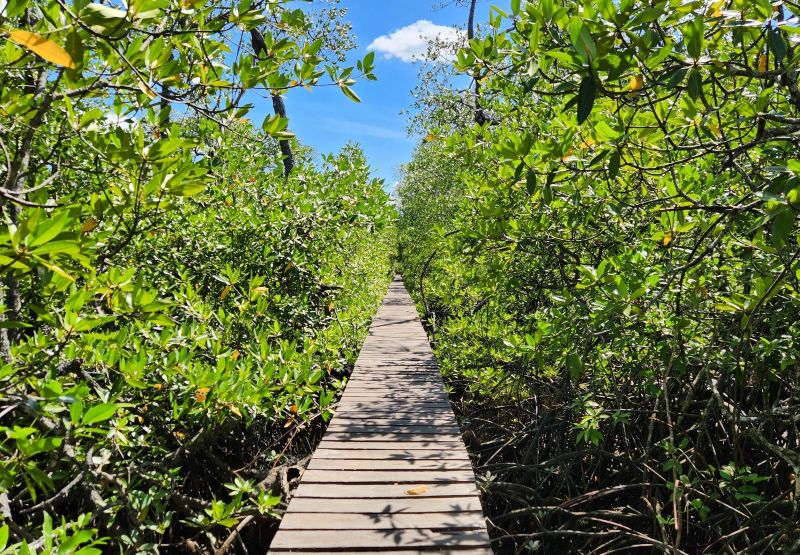
Integrating Mangrove Ecosystem Valuation, Land Certification, and Gender Inclusion in Nusantara Capital City
Landesa’s new study demonstrates how Indonesia’s intended new capital city can showcase integrated and inclusive tenure security and coastal management that balance urban development with mangrove ecosystem conservation. The study reveals the feasibility of implementing Payment for Ecosystem Services and proposes integrating ecosystem service economics with the land certification framework in the country, pioneering gender-responsive ecosystem service rights certification.
Landesa Reports, Research
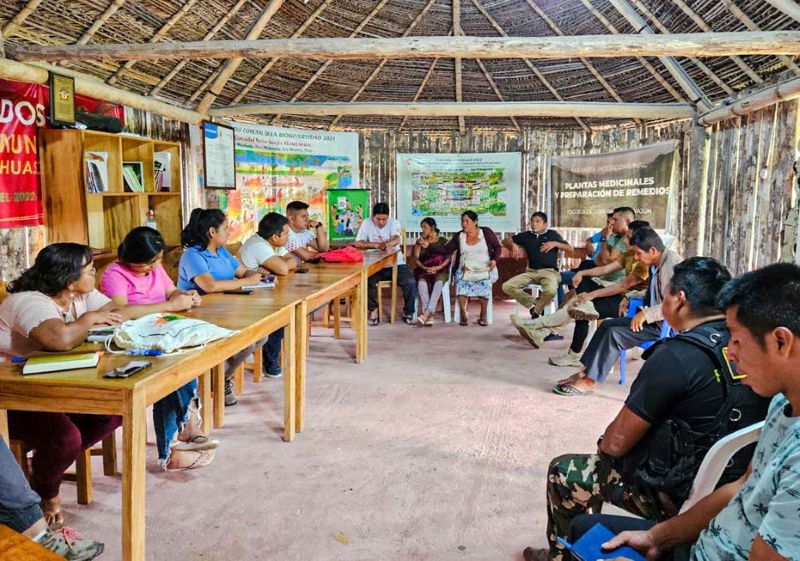
Consultation and Consent in Indigenous-led Carbon Projects: Good practices and lessons learned from the Awajun Tajimat Pujut Initiative (English & Spanish)
This case study provides lessons and good practices from the Tajimat Pujut Initiative (TPI), an Indigenous-led carbon project in Peru, offering insights into how effective consultation and consent practices can support responsible carbon projects that align with Indigenous values and deliver sustainable returns for their use and management of land and forests.
Research
