




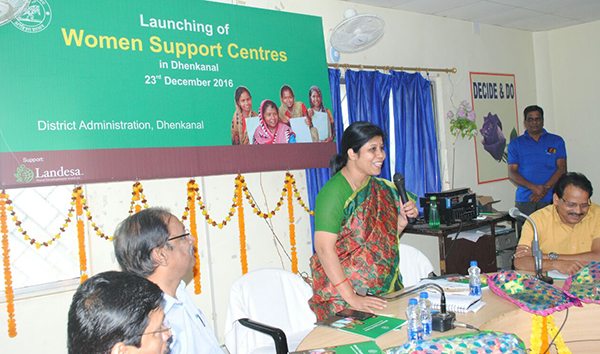
The Women’s Support Center (WSC) program, which aims to connect rural single women with land rights and related government resources, is being expanded to two districts in the Indian state of Odisha. The program, a partnership between Landesa and district governments in Odisha, was recently launched in the Dhenkanal and Sambalpur districts.
In Odisha, government land programs target household heads, typically men. Recent efforts have been made to include women in these programs, but single women by and large remain underserved. As a result, government programs intended to address rural poverty exclude a highly vulnerable group: rural single women. These women account for an estimated 12 percent of Odisha’s rural women.
Landesa and its local government partners in Odisha established the Women Support Center (WSC) program to address the needs of rural single women, who previously remained “invisible” to the government programs. Now located in seven districts in Odisha, about 7,000 single women have received land titles through the program.
Category:
Related resources
Mangrove Ecosystem Service Valuation in Indonesia’s New Capital City – IKN
This brief highlights how recognizing and integrating the ecosystem services of mangroves into planning decisions—complemented by conservation efforts and sustainable resource use through strengthened tenure rights—is essential to promoting sustainable land use in Indonesia’s intended new capital city.
Landesa Reports, Research
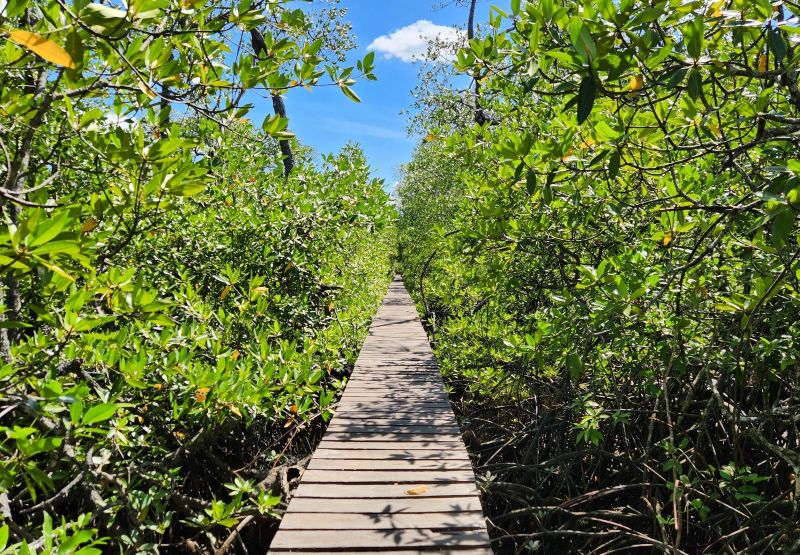
Integrating Mangrove Ecosystem Valuation, Land Certification, and Gender Inclusion in Nusantara Capital City
Landesa’s new study demonstrates how Indonesia’s intended new capital city can showcase integrated and inclusive tenure security and coastal management that balance urban development with mangrove ecosystem conservation. The study reveals the feasibility of implementing Payment for Ecosystem Services and proposes integrating ecosystem service economics with the land certification framework in the country, pioneering gender-responsive ecosystem service rights certification.
Landesa Reports, Research
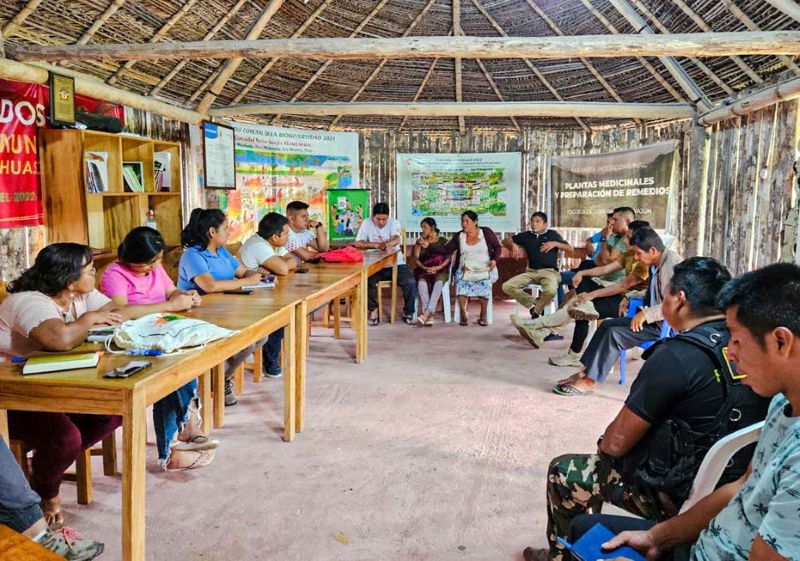
Consultation and Consent in Indigenous-led Carbon Projects: Good practices and lessons learned from the Awajun Tajimat Pujut Initiative (English & Spanish)
This case study provides lessons and good practices from the Tajimat Pujut Initiative (TPI), an Indigenous-led carbon project in Peru, offering insights into how effective consultation and consent practices can support responsible carbon projects that align with Indigenous values and deliver sustainable returns for their use and management of land and forests.
Research
