




This blog was originally published by Land Portal.
By Eli Calhoun, Climate Change Program Intern and Rachel McMonagle, Climate Change Program Director, Landesa
As countries revise their Nationally Determined Contributions (NDCs) ahead of COP30, including land tenure in the NDCs remains a missed opportunity. Land is the physical and legal basis for much of global climate action – from forests and other natural areas that sequester carbon to renewable energy projects providing green energy alternatives. And where there is land, often there are communities engaged in sustainably managing it. By strengthening gender-equitable and inclusive land tenure, governments can seize a crucial opportunity to advance climate goals and protect the livelihoods and culture of their constituents. While NDCs increasingly promote land-based solutions like reforestation and clean energy, most do not include secure land tenure for the people who live on and steward that land. These groups, largely comprised of Indigenous Peoples, rural smallholders, and local communities, are both powerful change agents in the fight for climate action and among the most susceptible to the worsening effects of climate change.
A review of 170 active NDCs reveals a trend: while all countries rely on land to meet their climate goals, few recognize or safeguard the tenure rights of rural people and communities, thereby excluding powerful climate actors and missing investment opportunities.
Climate Action Without Tenure Safeguards
All 170 NDCs include land-based climate goals, but only 10% include safeguards regarding land tenure. Integrating secure, gender-equitable and inclusive land tenure into NDCs and their implementation provides a cost-effective strategy that boosts climate mitigation and adaptation, mitigates risks like conflict and displacement, and advances social, economic, and environmental benefits.
For instance, the Bahamas plans to scale up solar energy but includes no mention of land rights or community consent. While the country has not yet seen land conflicts tied to these projects, examples elsewhere are instructive. In India, a 300 MW solar project was shut down in 2025 after it was revealed to be built on tribal land without consent or compensation. In Indonesia, the Rempang Eco-City development led to forced evictions of Indigenous communities—again, without NDC safeguards.
These cases underscore a critical point: renewable energy is not tenure-neutral. Even well-meaning projects can cause harm when individual and community land rights aren’t respected.
Framing Matters: Land Tenure as Risk or Solution
Land tenure, when it appears in NDCs, is framed in two distinct ways. Some countries treat secure land rights as a solution—a foundation for increased investments and resilient and equitable climate action. In Vanuatu, for example, the government commits to preserve cultural and traditional knowledge, including climate adaptation practices related to land tenure. This links tenure to resilience, not just risk.
Others frame tenure only as a vulnerability. Malawi’s NDC identifies “insecure and unforeseeable property rights” as a driver of land degradation but offers no plan to address it. While such framing is not inaccurate—tenure insecurity does increase vulnerability—it misses the opportunity to make tenure part of the solution.
To unlock the full potential of land-based climate action, countries must move beyond reactive framing and embrace tenure-secure pathways to increase investment in the very communities driving efficient, effective climate action.
The Metrics Gap
Where NDCs recognize land rights, including indicators to track progress strengthens the likelihood for tenure-based interventions to be implemented and environmental, economic, and social benefits to follow. Without indicators, strong commitments risk being deprioritized amid competing interventions.
Measurable targets—like the percentage of land under community tenure or the share of women with documented land rights—are essential for accountability and equity.
Gender and Inclusion: Often Named, Rarely Measured
Only 11.8% of NDCs mention gender-equitable land rights — a missed opportunity, given that evidence shows that women with secure land rights are more likely to invest in sustainable practices and lead local adaptation.
Nepal’s NDC models powerful language by committing to expanding community forestry and ensuring 50% female representation in user group leadership—embedding gender equity directly into tenure systems that govern land and forest management.
What Governments Can Do
To encourage greater uptake of land tenure in NDCs, Landesa, with partnership and support from the United Kingdom’s Foreign, Commonwealth & Development Office’s Land Facility Programme, has developed a resource to support governments and their counterparts. This resource outlines a suggested process, helpful resources, and template language to consider for revising and implementing NDCs, thereby providing a pathway for leveraging the power of land tenure to advance human security and climate change solutions such as sustainable land-based investments, nature-based solutions, and renewable energy. It includes sample targets, suggested indicators to track progress, and model language on legal reform, safeguards, and participation.
The Opportunity Ahead
As the next round of NDC revisions approaches, governments and their counterparts can leverage their existing land laws, mapping efforts, and gender strategies to create a powerful foundation for achieving their climate goals. Including land tenure commitments in NDCs welcomes local knowledge, investment, and action to governments’ climate programs. With governments and communities working together, these NDC goals can become a reality.
Related blogs
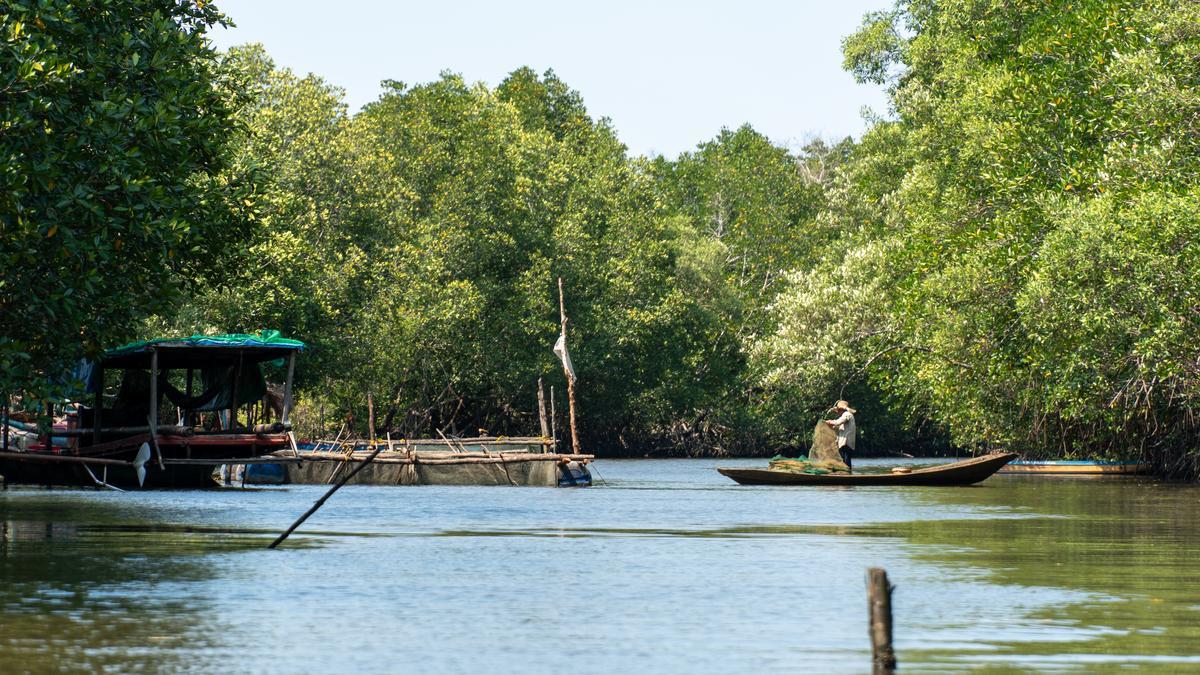
Advancing the Integration of Land Tenure into Nationally Determined Contributions: The Case of Cambodia
Our work has emphasized the importance of explicitly recognizing land rights in the NDCs as effective tools for natural resource management, particularly in forest and coastal ecosystems.
November 06, 2025

What can the fortress conservation debate teach us about the importance of women’s land rights in protecting mangrove ecosystems?
Landesa’s new study shows how Indonesia’s new capital can balance urban growth with mangrove conservation by integrating ecosystem service economics into land certification to strengthen gender-responsive land rights.
October 22, 2025
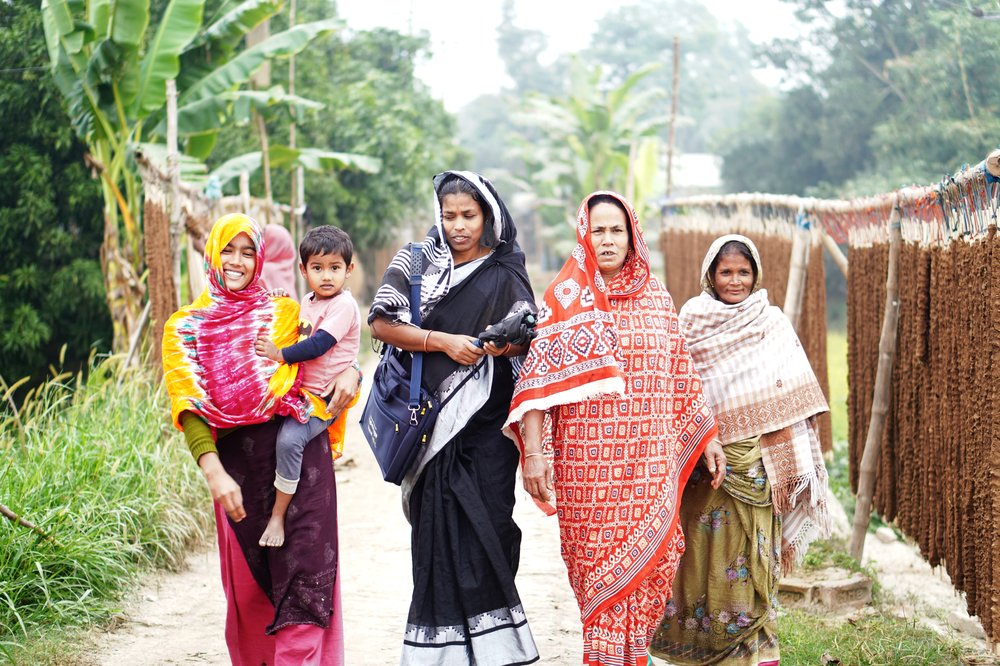
Collective Action as Foundation for Resilience: Securing Women’s Land Rights and Inclusive Governance to Address Climate Change in South Asia
The Women-led Collective Advocacy for Climate Action project built the capacity of networked, women-driven civil society organizations in Bangladesh, Nepal, and Maldives to advance local climate resilience, effective advocacy at all levels of governance, and gender-equitable land rights.
October 15, 2025
