




By Chris Jochnick and Juan Robalino
A generation ago, the mainstream environmental movement was trapped in a fortress conservation mindset: nature could only be saved by fencing people out. Indigenous Peoples and local communities were frequently cast as threats to ecosystems, their livelihoods seen as incompatible with biodiversity protection. It took decades of conflict, research, and advocacy before conservationists came to recognize what was in front of them all along: forests, grasslands, and rivers endure best where local people have rights, voice, and security. The paradigm shifted when pragmatism caught up with principle—when environmentalists realized that Indigenous stewardship was not just compatible with conservation, but essential to its success.
Today there is growing empirical evidence that deforestation rates decline where communities—especially women—have secure land rights, and that natural resource management improves when women are included in community governance and decision-making. At the same time, women who lack secure land rights are often at increased risk of climate vulnerabilities.
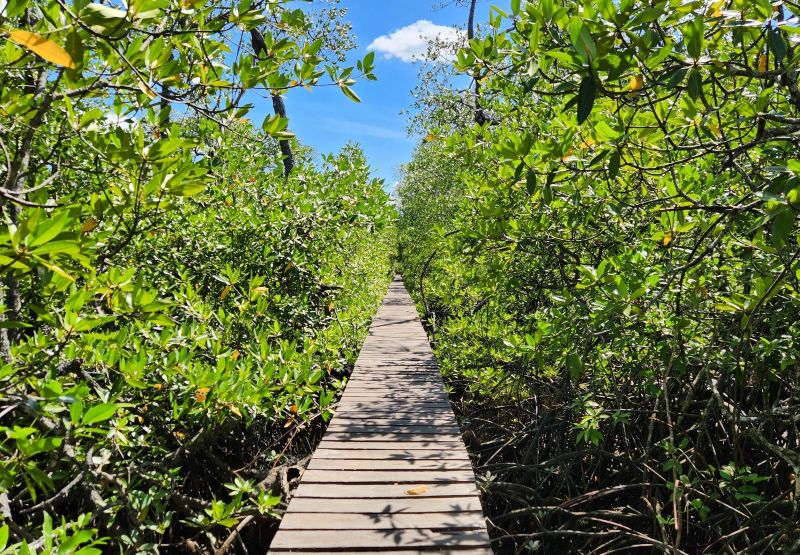
And yet, current proactive mangrove conservation initiatives such as Payment for Ecosystem Services (PES) continue to struggle to integrate gender inclusion and women’s land rights as core drivers of project durability, echoing the disregard for local and Indigenous land rights in earlier debates around fortress conservation.
But that recognition is shifting. Under the overall guidance of Indonesia’s Nusantara Capital City Authority (OIKN) and in partnership with the University of Queensland, Landesa has taken a bold step to integrate mangrove ecosystem valuation, land certification, and gender inclusion into the development of Indonesia’s intended new capital city. As part of Landesa’s Coastal Livelihoods and Mangroves Program, a mangrove ecosystem service valuation was conducted across nearly 11,000 hectares of mangrove ecosystems in Nusantara Capital City (Ibu Kota Nusantara – IKN). The assessment revealed strong potential for implementing a PES, driven by significant community willingness to engage in conservation finance as well as favorable and enabling institutional conditions.
However, to be effective, Landesa’s study recommends a gender-responsive land certification for determining ecosystem service rights — one that complies with OIKN’s Spatial Pattern Plan and leverages the Rights, Restrictions, and Responsibilities (3R) framework advanced by the Ministry of Land Affairs and Spatial Planning/National Land Agency (ATR/BPN). The proposed certification represents a fundamental departure from conventional property rights by recognizing and protecting rights to not only the stock of resources, but also the flow of ecosystem services (like water quality regulation, carbon sequestration/storage or coastal protection) offered by mangrove forests. Crucially, the certification ensures that these service flows are equally accessible to women and men. Under such a certification, women and men rights holders would receive formal recognition through land certificates that specify their opportunity to benefit from PES recognizing the vital importance of mangroves in IKN.
Overall, the lesson from the conservation battles of the past is clear. Tenure security and inclusion is not charity, it is strategy. The contradictions inherent to fortress conservation ultimately caused it to fall out of favor; conservation initiatives that ignore tenure and gender inclusion risk the same fate. The only real question is whether decision-makers will take decades to learn this lesson—or whether we can accelerate the shift now, before exclusion once again undermines the very goals we seek to achieve.
Explore the full report (available in English), and join us as we sustain livelihoods, protect mangrove forests, and mitigate climate change through context-specific and gender equality and social inclusion responsive activities worldwide.
Chris Jochnick is CEO and Juan Robalino is a Climate Change & Land Tenure Specialist with Landesa.
This blog was also posted on Land Portal.
Categories:
Related blogs
Climate Action in Africa Must Protect Community and Women’s Land Rights
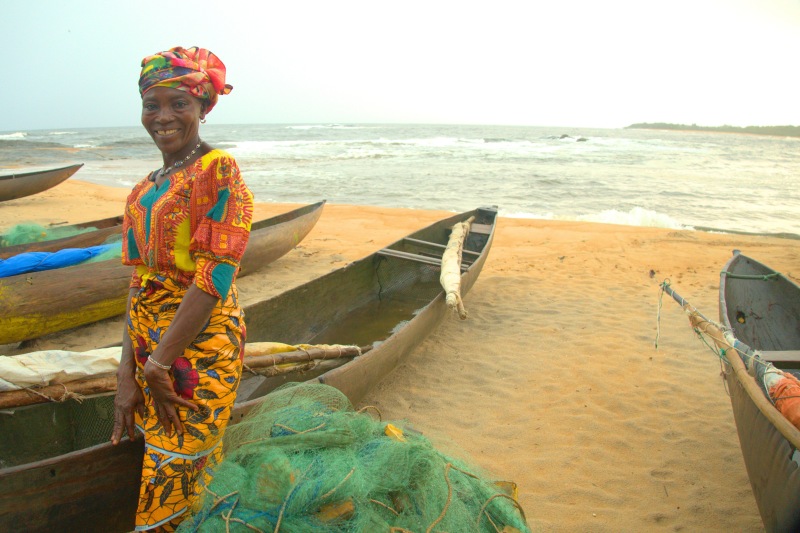
For communities across Africa, a land deed means a stronger voice in decisions about its territories and natural resources. Landesa and RRI are urging the African Court on Human and Peoples’ Rights to affirm that climate efforts must respect the land rights of communities and women across Africa.
September 22, 2026
Ways to strengthen women’s land rights in agricultural projects
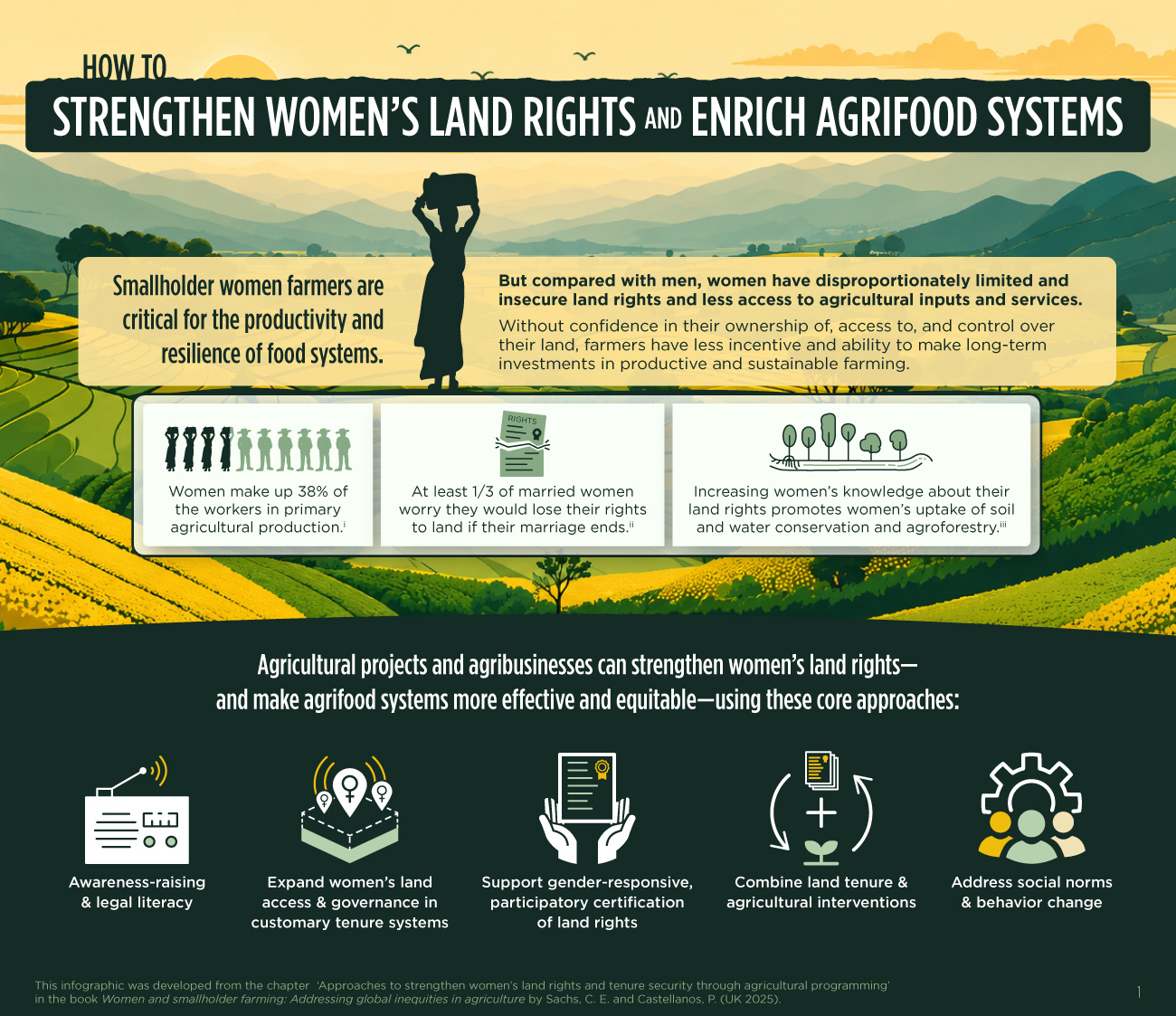
Five tested approaches show how agricultural projects and companies can strengthen women farmers’ land rights while advancing sustainable agriculture, food security, and women’s economic empowerment.
August 10, 2026
A People-Centered Solution to Conserve Mangroves and Foster Resilient Communities
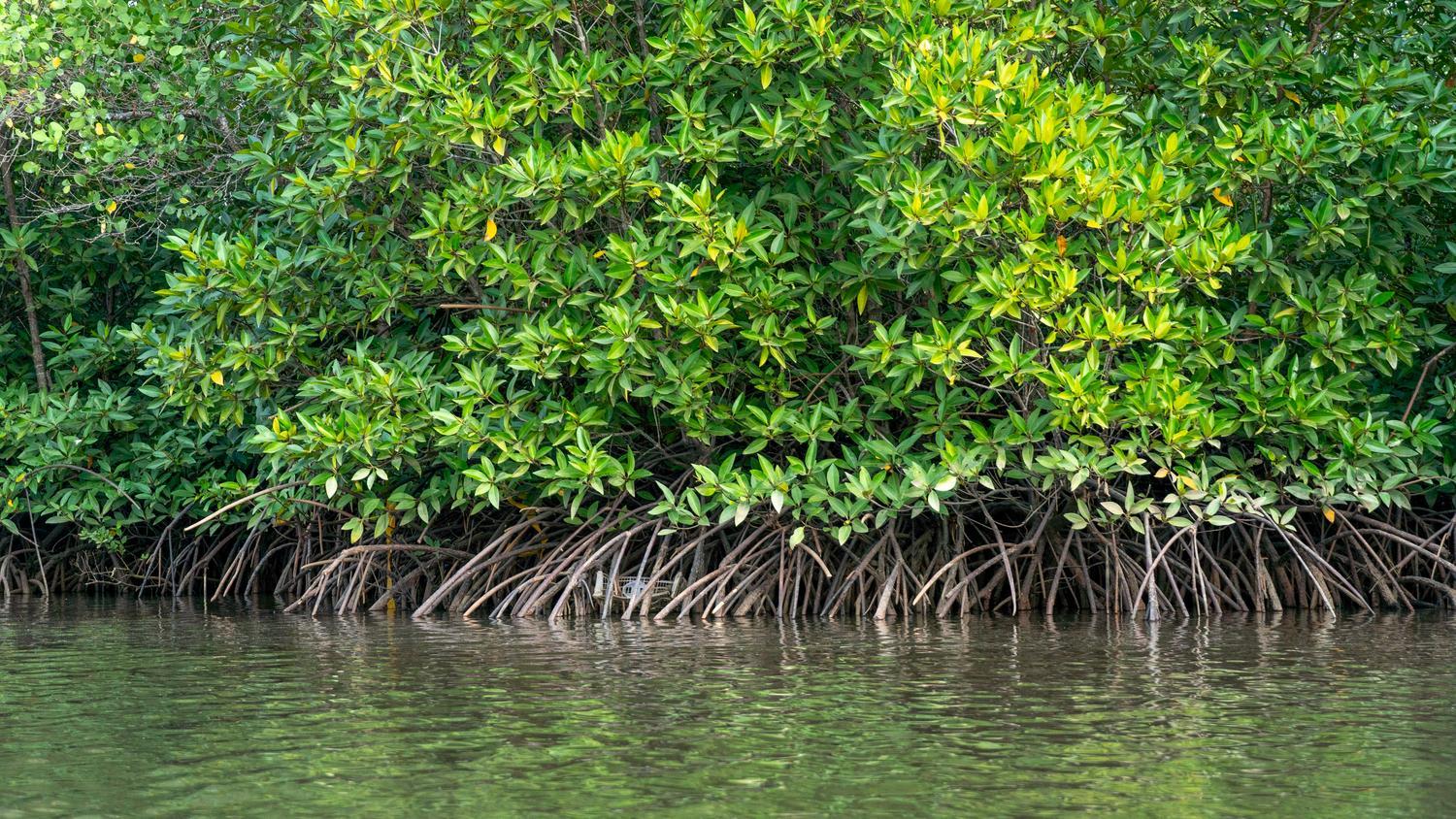
A 20-year analysis of mangrove forest cover dynamics in Thailand found that mangrove ecosystems fared better when under community management.
July 21, 2026
