
Resources



Featured resource
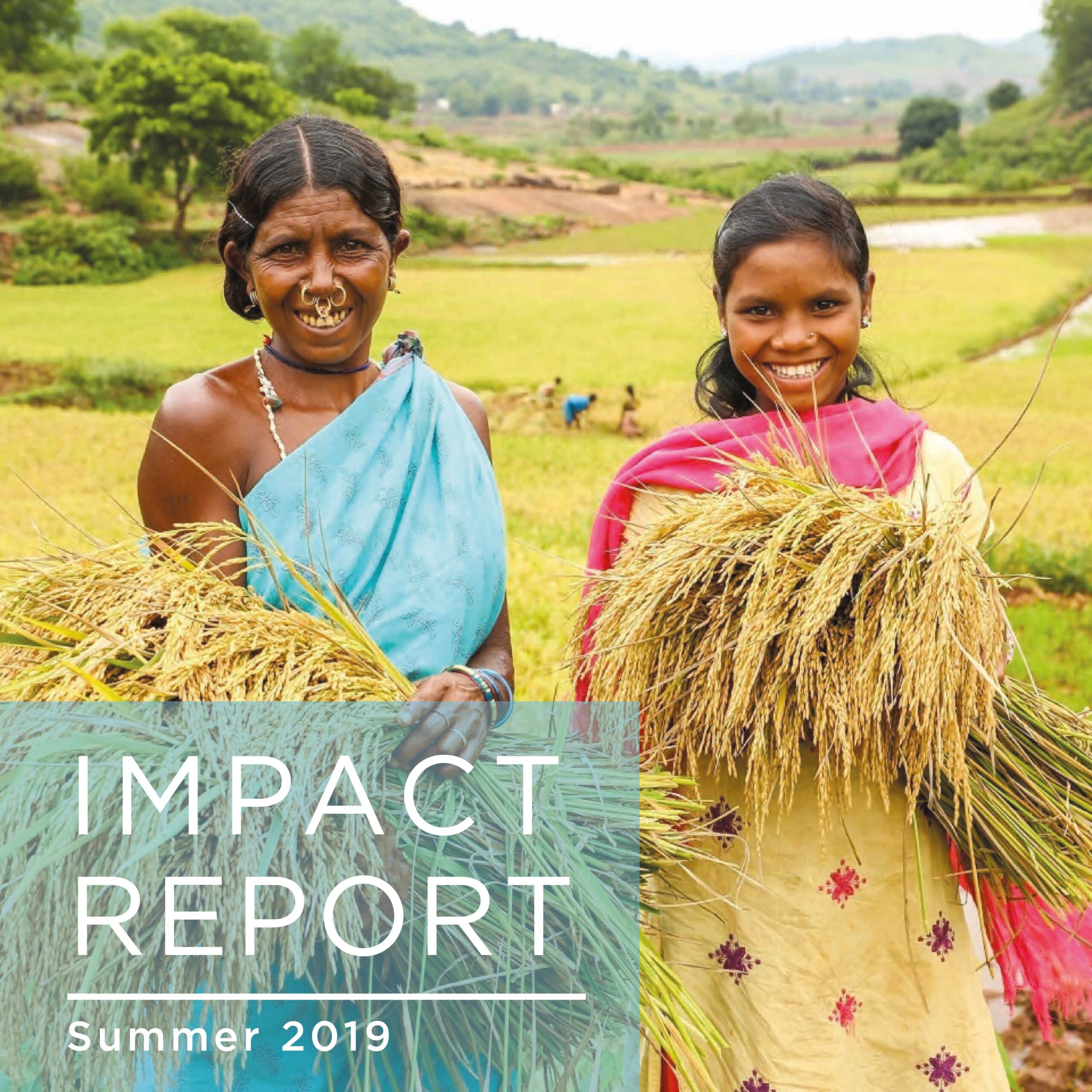
Summer 2019 Impact Report released; Myanmar officials visit Vietnam in Landesa program; Join our events in Portland and San Francisco
The Chinese central government has consistently taken decisive legal and policy measures over the past 35 years to secure, enhance, and expand farmers’ rights to farmland and forest land in order to reduce the gap in income and consumption between urban citizens and their counterparts in mountainous forest areas. While encouraging development of a forest land rights market to facilitate market allocation of resources, these legal rules and policy directives have particularly emphasized protecting farmers’ forest land rights and their property interests when such land rights are subject to acquisition by powerful enterprises.
In southern China, large-scale land acquisition by multinational companies coupled with local government’s desire for international investment tends to weaken farmers’ tenure security, reduce rule of law in the countryside, and threaten the livelihoods of farmers who depend on land for their living.
There is a series of strong policy, legal and social reasons to reform the NFPP so that affected farmers and communities are properly compensated.

The paper is part of “The Challenges of Securing Women’s Tenure and Leadership for Forest Management,” published by Rights and Resources Initiative.
2008 Description of a Landesa program in China funded by a $198,000 grant from the World Bank to create a Legal Aid and Education…

A presentation by Landesa staff about a nationwide survey of farming families in China, in which the researchers describe issues relating to documenting land rights, investments in land, an emerging land market, compulsory land takings, and corporate leasing and farming, and offer recommendations.
2010 This paper by staff from Landesa (then called the Rural Development Institute) describes the ways in which farmers’ rights to forestland and trees…
2010 This paper by staff from Landesa (then called the Rural Development Institute) explores the impact of the Chinese government’s policy measures to improve…
2010 This study by staff from Landesa (then called the Rural Development Institute) examines the case of one Foreign Direct Investment made by Stora…
