




Is Bigger Better? The Role of Small-scale Family Farms in Agricultural Development
The assumption that large-scale mechanized agriculture is more productive and efficient than small family farms is influencing agricultural development policy around the world. From China to Ethiopia, developing countries are moving toward corporate farming as a way to boost production and jump-start agricultural development. But the basis of their strategy, the assumption that bigger farms are better farms, is one of the most enduring myths in global development.
Tag:
Related resources
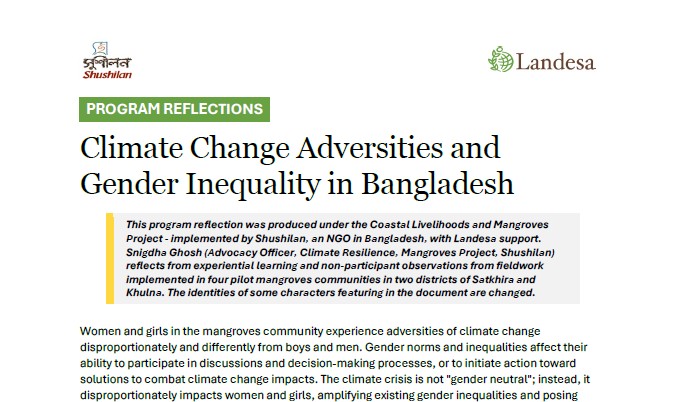
Climate Change Adversities and Gender Inequality in Bangladesh
This program reflection from the Coastal Livelihoods and Mangroves Project explores how gender norms shape women’s and girls’ experiences of climate change in Bangladesh’s coastal communities. Drawing on fieldwork in Satkhira and Khulna districts, Shushilan's Snigdha Ghosh highlights how unequal access to forest resources and mobility restrictions limit women’s participation in climate resilience efforts—reinforcing vulnerabilities and increasing the risk of gender-based violence. The insights underscore the need for gender-sensitive climate action that centers the voices and rights of women and girls.
Issue Briefs
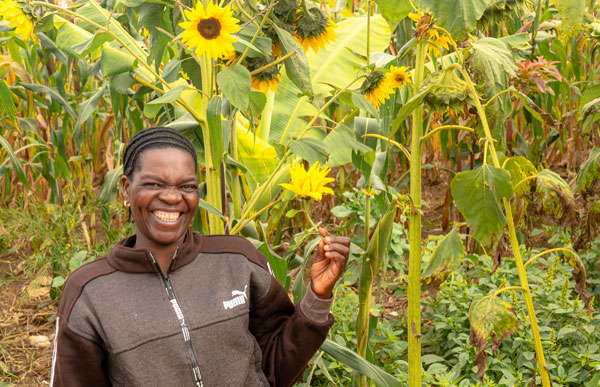
Landesa Tanzania Innovating Towards Gender Equality
To help widows like Imelda, Landesa launched an innovative, gender-responsive land use planning process. The participatory program increased the awareness of women like Imelda regarding their land rights, helping to accelerate gender equality and women’s empowerment.
Success Stories
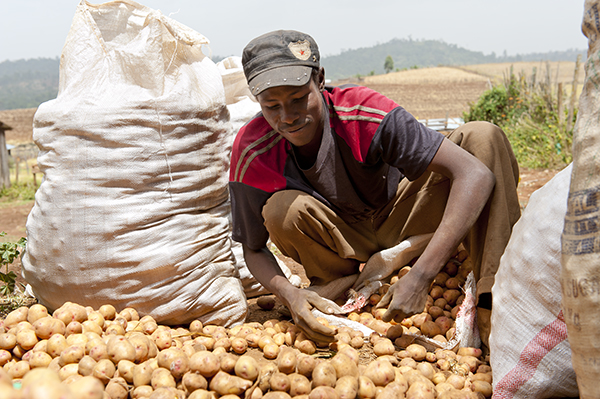
Youth Land Rights
Landlessness and land tenure insecurity among Africa's youth hampers innovations and uptake of technology in the agriculture sector and limits youth economic empowerment.
Fact Sheets and Brochures
