




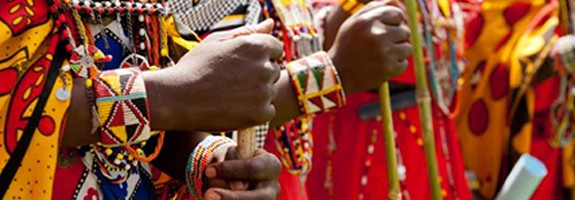
For the first time, women in Kenya are helping to settle land disputes as traditional village elders.
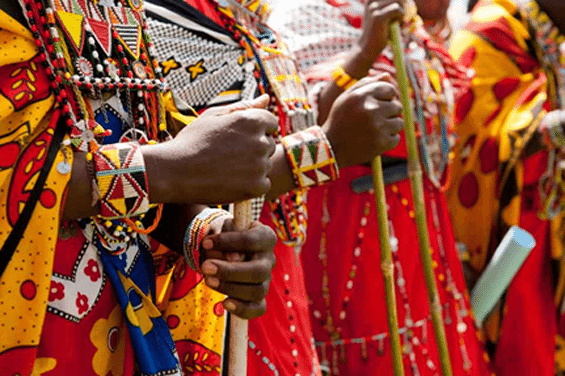
It is a new day for the women of Ol Pusimoru, a remote community in Kenya’s Rift Valley. For the first time ever, the community has elected fourteen women to sit beside men as traditional elders, resolving some of the community’s most difficult issues: disputes related to land. | © Deborah Espinosa
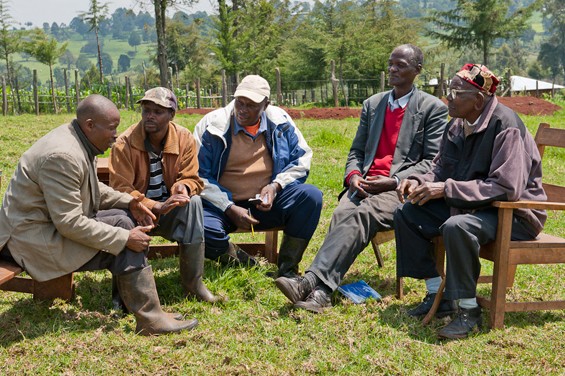
For rural Kenyans, elders are the primary institution for help in resolving disputes. When there is a dispute, people will seek assistance from elders known for their wisdom and integrity. Elders will hold a hearing of sorts, listen to each person and witnesses, talk amongst themselves, and make a decision. With formal courts distant, expensive, and time consuming, elders hold the promise of affordable, speedy, and just resolution of disputes. But throughout Kenya, elders also are known as an all-male institution with entrenched biases against women based on traditional custom. | © Deborah Espinosa
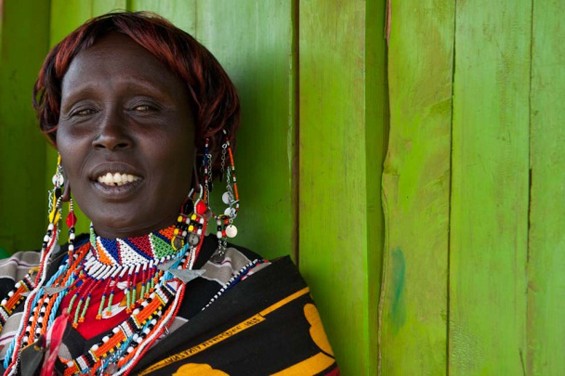
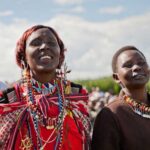
Parakuo Naimodu, mother of 11 children, is one of Ol Pusimoru’s new elders. For decades she suffered the abuse of her husband, but today she is a recognized leader. She shares, “I am very happy to be part of the justice system now because I think the all-male elders committee was very, very biased against women but now that we have women sitting in that committee we are going to have very, very balanced decisions about cases.” | © Deborah Espinosa
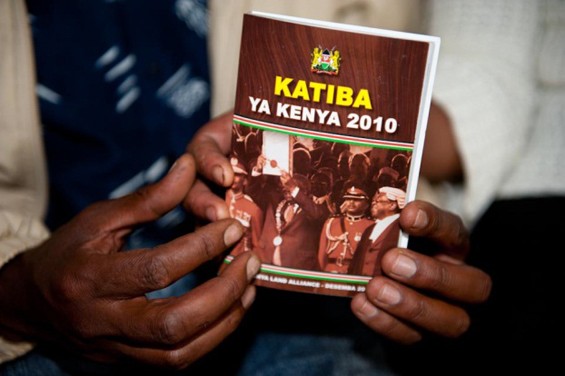
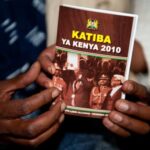
What has made the difference in Ol Pusimoru? Kenya’s new Constitution, adopted in 2010, which guarantees Kenyan women unprecedented rights to participate in community decision making, to own and inherit land, and to access justice to protect those rights. | © Deborah Espinosa
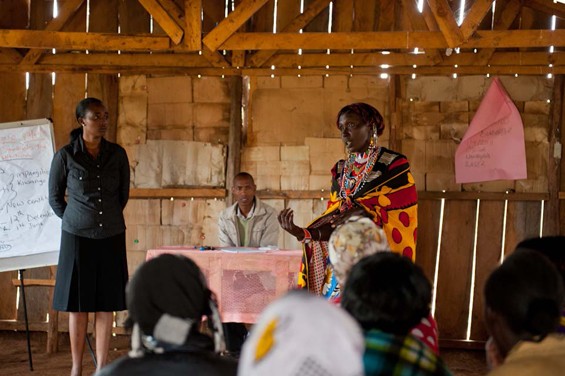
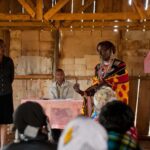
Parakuo, along with other women, chiefs, elders, teachers and youth, participated in Landesa’s USAID-supported Justice Project, which educated community members about women’s constitutional rights, including their new rights to own and inherit land. During months of workshops, guided community conversations, and trainings, Landesa staff encouraged the community to consider adopting the Constitution’s new ideals in their conservative, tradition-bound village. Here, during training for women on public speaking, Parakuo practices her new skills (with Landesa’s Soipan Tuya and Johnson Masiaine). | © Deborah Espinosa
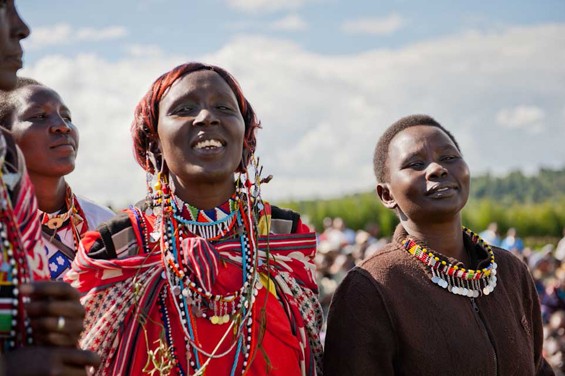
Says Parakuo, “I can see a change because the elders cannot ignore women’s issues anymore because even the men themselves, not just the elders, but even the men out in the community know that they cannot play around with women, denying them their rights, and their property.” Parakuo, left, stands before her community upon graduating from the Justice Project (with Landesa’s Caroline Lentupuru). | © Deborah Espinosa
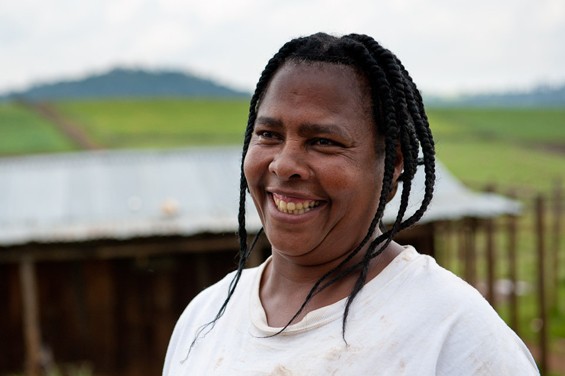
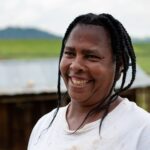
For Sara Otione, an Ol Pusimoru resident and mother of three, the elders have delivered on their promise. Separated from her husband and raising children on her own, her husband first refused her request for a share of their land. Explains Sara, “Before the Landesa project, the elders were not really concerned about my case, but now they are helping me through it.” With the elders’ intervention, her husband has agreed to share a portion of the family land with Sara. With land from her husband, she’ll be able to grow food to feed her children and sell the excess to pay their school fees. | © Deborah Espinosa
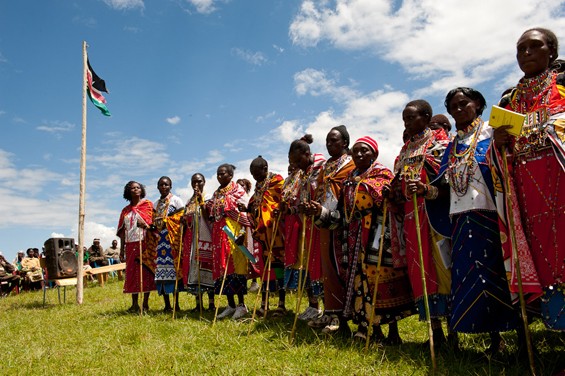
With Kenya’s new Constitution comes a historic opportunity for Kenyan women to stand as leaders, property owners, and guardians of justice for all. | © Deborah Espinosa
Category:
Related resources
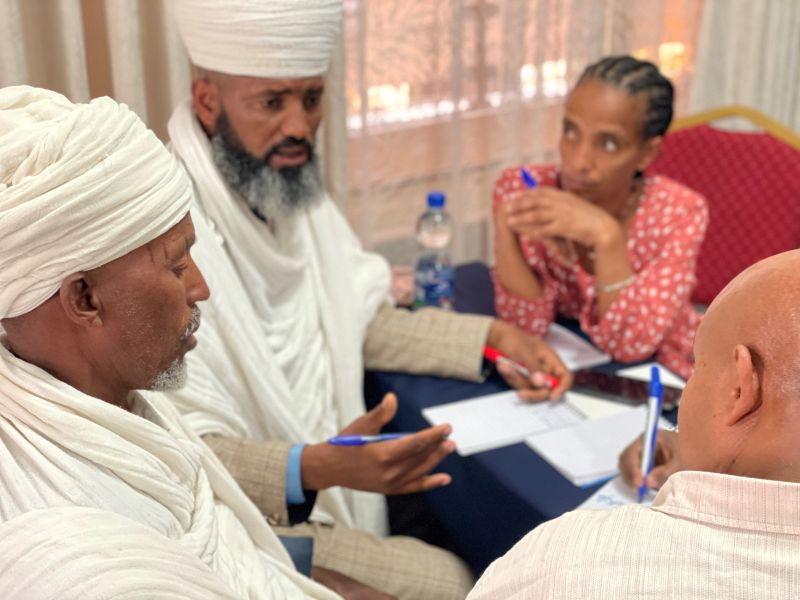
“Heirs to the same grace”: Women’s Land Rights from the perspective of Ethiopian Christianity
This guide explores women’s land rights through the lens of Ethiopian Christianity, drawing on Biblical texts, legal frameworks, and field evidence from Tigray, SWEPR, and Amhara regions. It aims to equip Church leaders to advocate for gender justice and influence customary norms within their communities.
Research
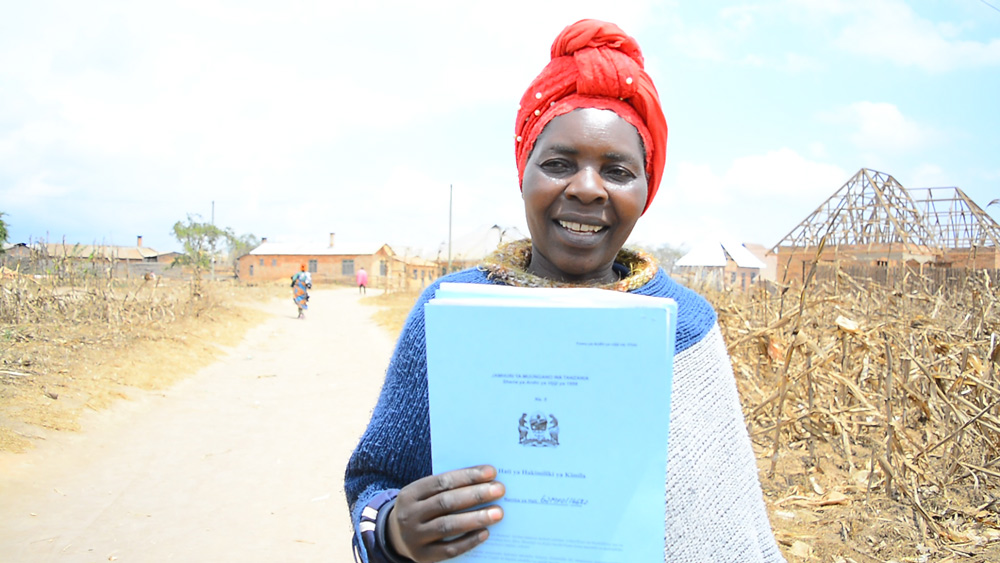
From Conflict to Empowerment: Redefining women’s access to land in Tanzania
Consolata Kibiki, a resident of Ikongosi Juu Village in Tanzania’s Mufindi District, shares what many women around the globe have experienced for decades, due to socio-cultural norms that discriminate against women’s access, ownership, and control of productive resources like land.
Success Stories
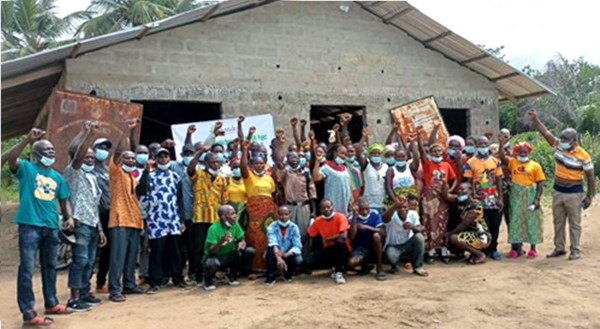
A new dawn for land rights in Liberia
On April 28, Landesa organized the launch of land formalization for Togba Nyakon Clan. This marked an important step forward on a journey begun in 2018, when Liberia adopted the national Land Rights Act, granting land rights for rural communities for the first time in the history of the West African nation.
Success Stories
