


Showing 21 results

Could youth land rights hold the key to transforming agriculture and stimulating economic development in Africa?
From Liberia to Zimbabwe and Benin to Tanzania, advocates, legal experts and members of civil society are dismantling barriers that young women and men face in accessing land, helping to build a new generation of farmers across the continent. To learn more about this important work, join co-hosts Landesa and Yilaa Friday, Nov. 20,

Why Securing Youth Land Rights Matter for Agriculture-Led Growth in Africa
Access to land is both a critical component and a fundamental barrier to productive youth engagement in agriculture. If properly harnessed, Africa’s nearly 420 million youth—including more than 200 million who reside in rural areas—will be the continent’s greatest asset and its engine to grow agricultural productivity and food security
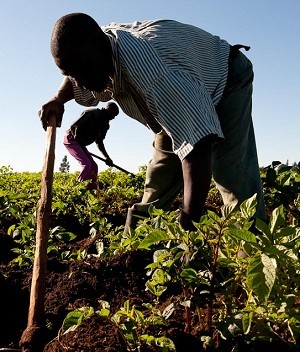
Want to transform agriculture? Give youth access to land
More than 65 per cent of youths (defined as ages 15-34) in Tanzania find employment in agriculture, but they lack the proper foundations and equal opportunities to reach their full potential. They face immense challenges when it comes to accessing land, as they are effectively precluded from participating in sustainable

International Day of Indigenous People: Land Rights and Biodiversity Conservation
Legal recognition of land rights is a necessary basis for successful biodiversity conservation and restoration. To be effective, the process must include rural land users, with attention to intersecting vulnerabilities faced by women, youth, and other marginalized groups.

Their land, our future: To arrest the climate crisis, we need a democratic overhaul
Both the climate crisis and inequality require a democratic overhaul. Governments globally should start by turning over legal control of land and natural resources to local communities and indigenous land users. Their rights are key to survival for all of us.

Realizing Land Rights to Deliver for Rural Women
The gender gap in land manifests itself in a stark reality – around the world, less than 15% of all landholders are women, despite the fact that women comprise 43% of the agricultural workforce in the developing world.

Land Rights and Mangoes: How Land Insecurity Impacts Women Mango Growers in Kenya
This post originally appeared on the Chicago Council on Global Affairs. By Jennifer Duncan and Megan Olson After giving birth to her third child, Sarah* lay in a hospital bed in a small town in Meru County, Kenya, battling a ruptured appendix. While struggling to stay alive, she received news

Securing Rural Land Rights to Achieve Sustainable Cities
This blog was originally published by Place. By Beth Roberts The final draft of the New Urban Agenda (NUA) will be adopted in Quito next week. While land rights, including a special focus on women’s land rights, are given significant mention in the NUA, the centrality of land rights to

A Window into the Future: Involving Boys to End Child Marriage
This post originally appeared on Girls Not Brides. By Poulami Sanyal A window into the future. That’s how I think of my job. I lead discussions with groups of boys in rural West Bengal, India to sensitise them to the challenges faced by their sisters and mothers in this patriarchal

Bride Kidnapping and Land Rights in Rural Kyrgyzstan
Nazgul, then 19, was refilling cups of tea at the roadside café where she worked when three young men arrived. She served them and returned to the kitchen. When she reemerged, the men grabbed and carried her to their car. After pushing her into the backseat, they sped down the
