
Southeast Asia


Protecting people and planet amid a vital forest ecosystem.
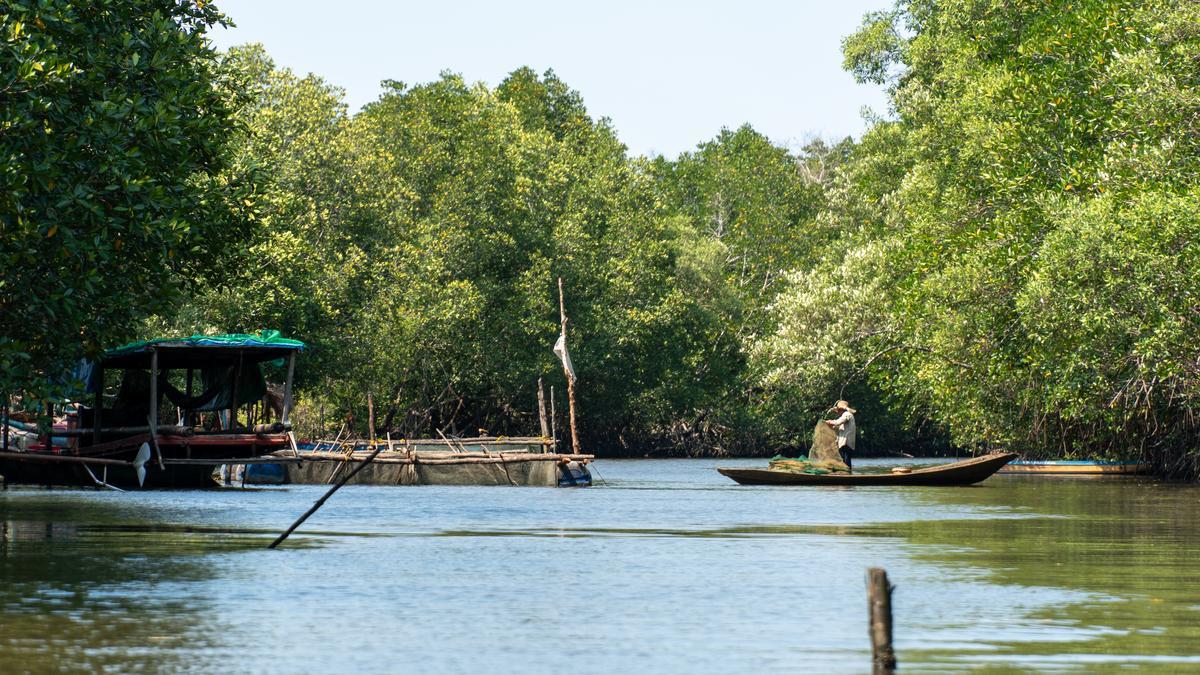
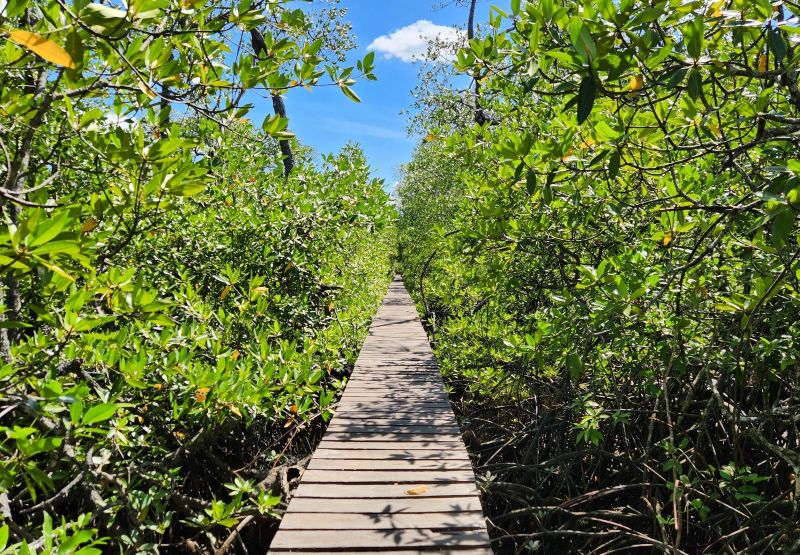
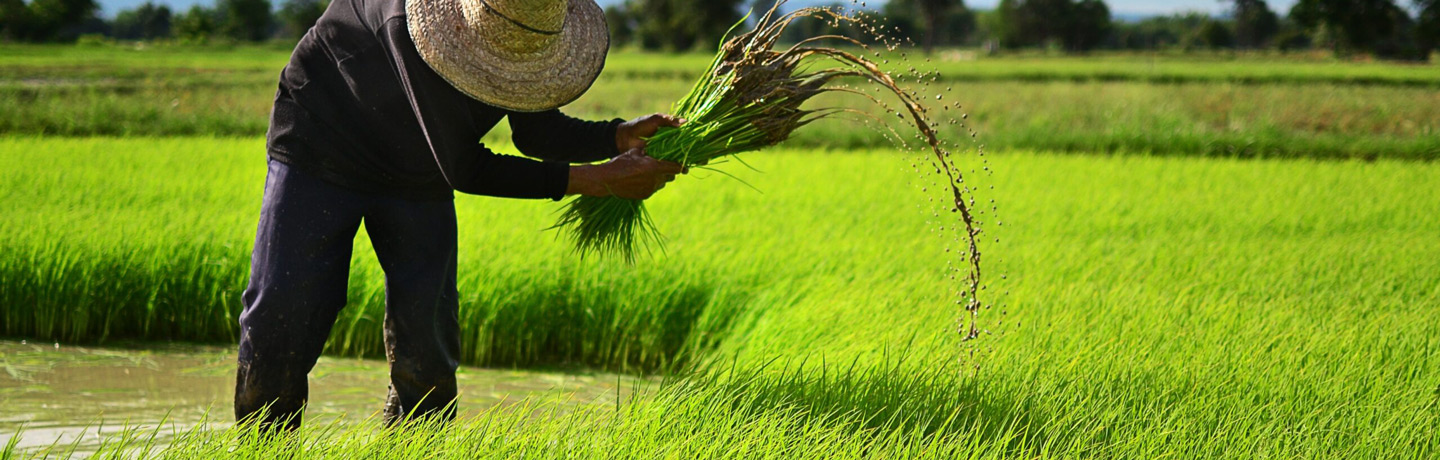
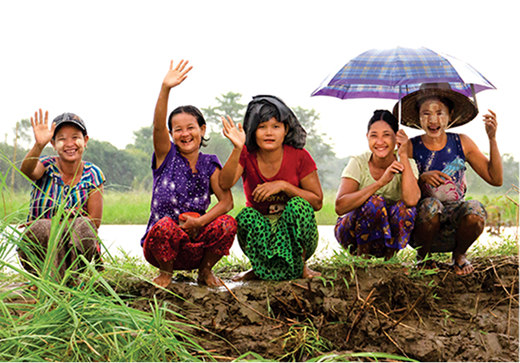
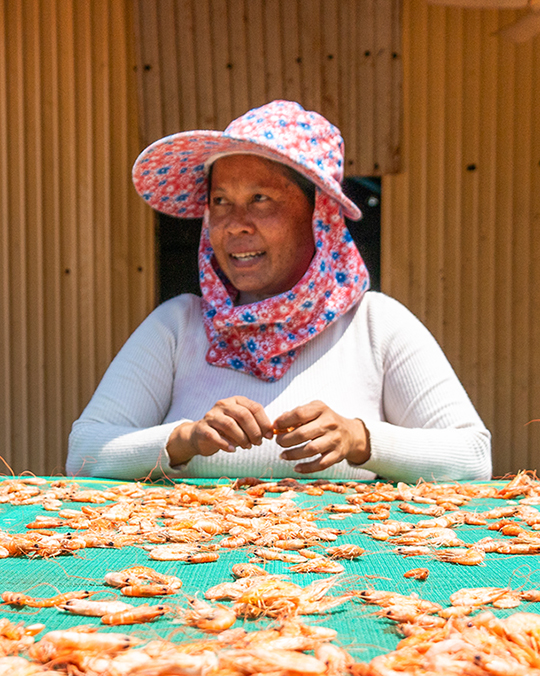
Rural Southeast Asia is home to more than 300 million people who depend on land to feed their families and grow their livelihoods. The region is also home to more than one-third of the world’s mangrove forests, which store vast amounts of carbon and are a critical bulwark against climate change. These forests are a source of food and income for coastal communities, who for generations have relied on mangrove fisheries for their abundance of fish, crab, and shrimp. Stronger forest rights for local communities help to both preserve their culture and way of life and empower forest users to serve as environmental stewards of these vital ecosystems.
Landesa initiated a Southeast Asia program in 2015, building on decades of land rights experience in the region. Our work focuses on strengthening land rights in Cambodia, Indonesia, Myanmar, and Thailand. Regionally, Landesa offers guidance around forest tenure, land use policy, and climate action to the Association of Southeast Asian Nations (ASEAN). These efforts have already contributed to stronger land rights for more than 46 million households, laying the foundation for rural communities to secure their future.

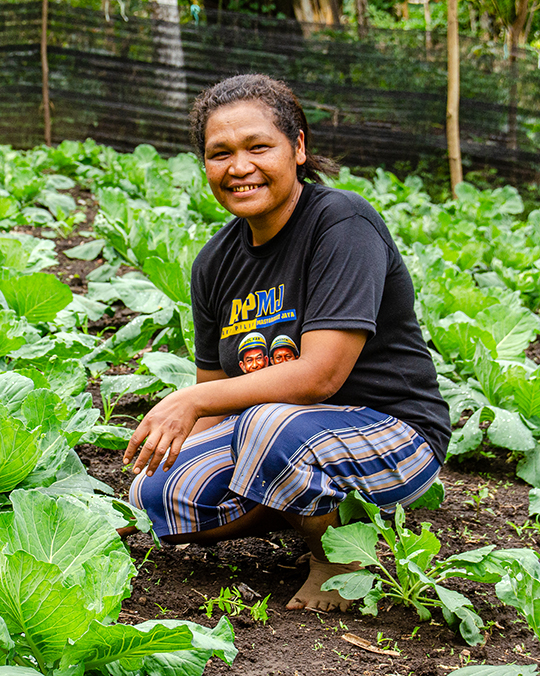


Our work
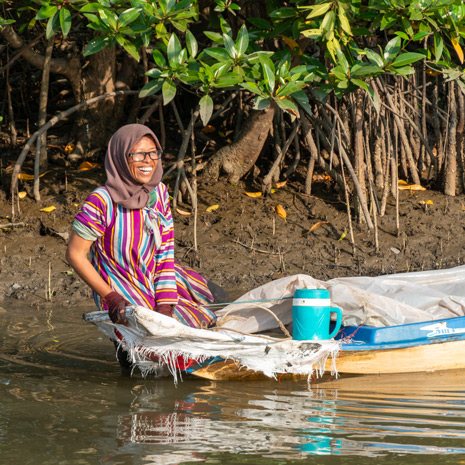
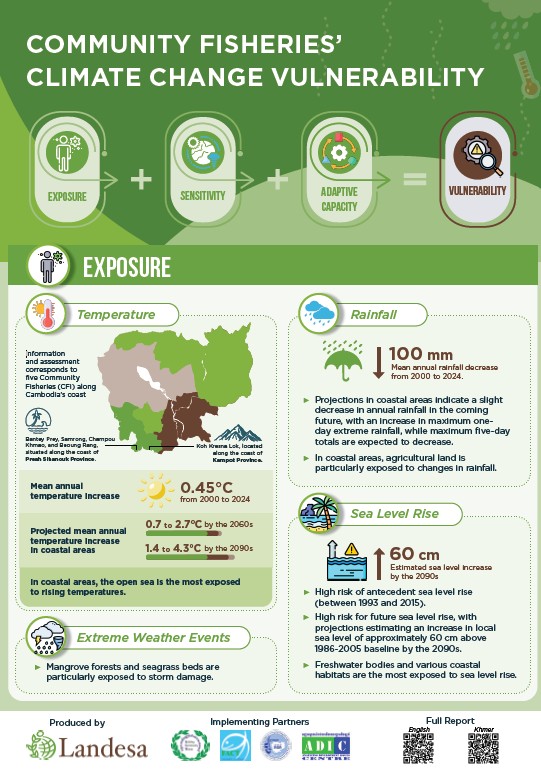
Coastal Livelihoods and Mangroves Project
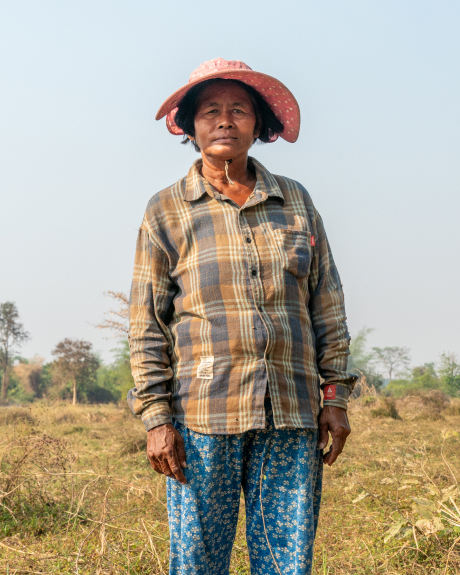
Cambodia Land Allocation
In collaboration with our partners, Landesa has supported 68 Indigenous communities in the process of certifying their more than 100,000 acres of traditional forestland vital to sustaining livelihoods. Landesa also works closely in the government sphere, having supported a recent groundbreaking provincial policy which opened the way for 50,000 families to formally register their lands and securely invest in their future, and is engaged in similar efforts across the country.
Landesa’s ongoing assistance to the Cambodian government, in consultation with local civil society organizations, on the drafting of its new Land Law will help strengthen the land rights of more than three million rural families.
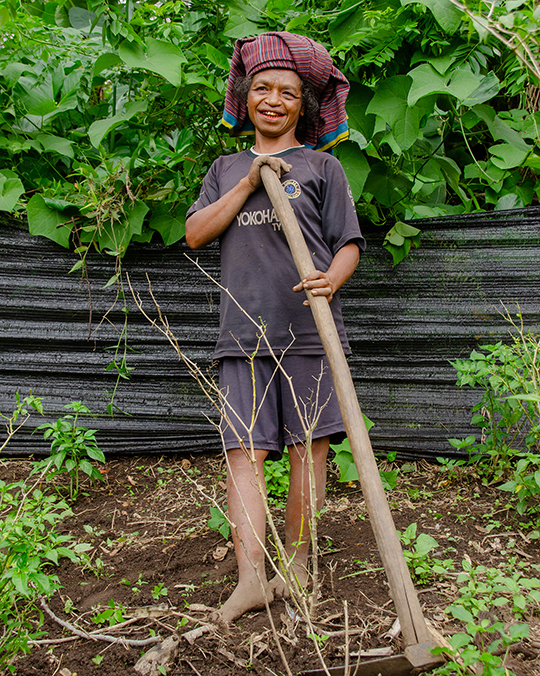
Indonesia Customary Land Titling
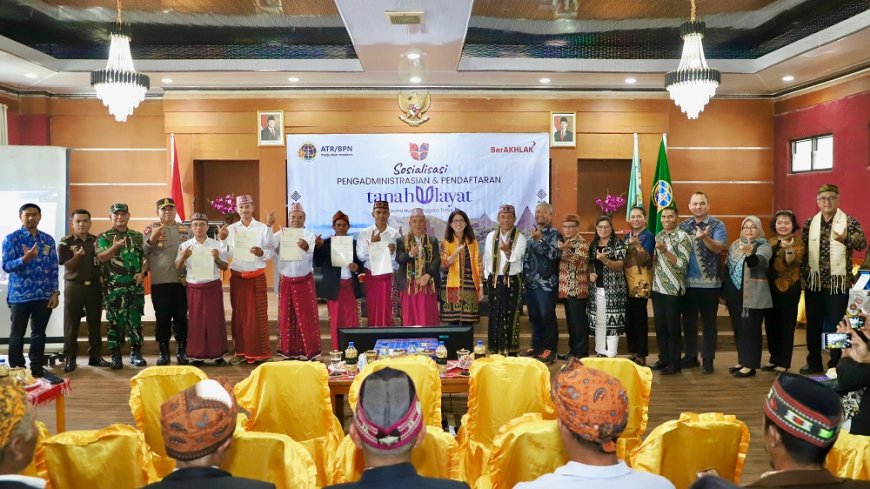
A systematic land titling program in the provinces of Papua threatened Indigenous forest and coastal mangrove communities in its initial design. Landesa advised the Government of Indonesia to instead implement customary land registration and communal land titling carefully, in accordance with the identification and inventory of the province’s five million residents, recognizing their customary land and protecting their livelihoods.
This initiative, bolstered by a new ministry customary land tenure regulation drafted with Landesa support, has the potential to secure the rights of more than 50 million Indigenous peoples and protect up to 100 million acres of some of the most pristine upland and coastal forests in the world.