




By Matteo Bonetto and Juan Robalino
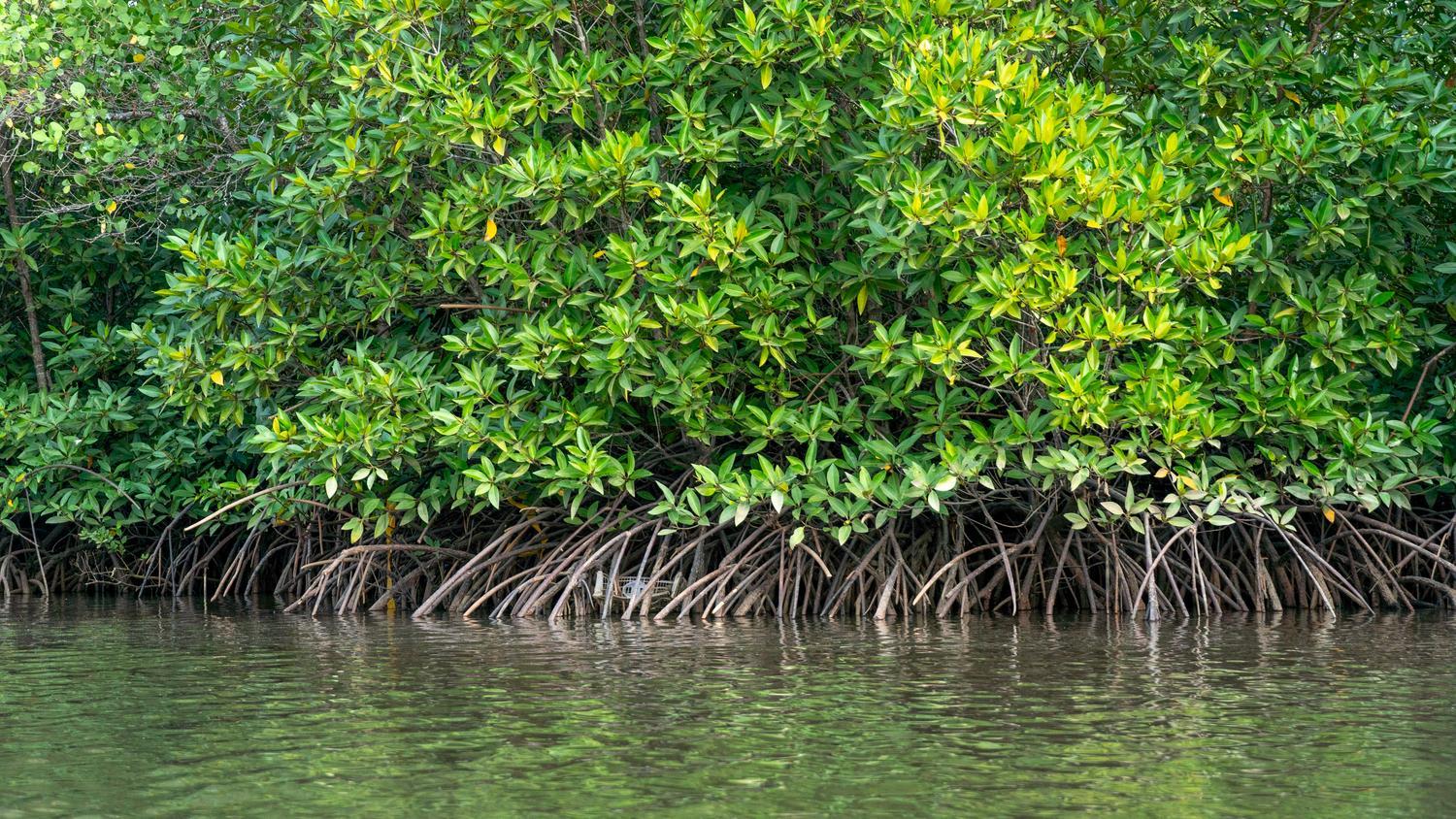
Mangroves are a natural marvel. Their root systems provide shelter for over 800 billion fish, mollusks, crustaceans and other invertebrates worldwide, making them critically important to marine and coastal biodiversity.
Mangroves are themselves biodiverse, with dozens of species around the world, ranging from soaring trees to petite shrubs. As carbon sinks, they sequester four times as much carbon as a tropical forest of similar size.
And to millions of coastal inhabitants living alongside mangrove forests, they offer invaluable ecosystem services, both as a source of food and livelihood and as a barrier against storm surges and erosion.
Happily, after years of decline, these extraordinary ecosystems are showing hopeful signs of recovery, with regrowth now outpacing the rate of loss. As we observe World Mangrove Day on Sunday, July 26, we celebrate this remarkable progress.
However, the longer-term outlook for mangroves remains uncertain — the IUCN’s landmark global mangrove assessment found that 50% of mangrove ecosystems are at risk of collapse by 2050.
In order to sustain the momentum of recovery, we must continue to arrive at solutions to conserve and restore these vital ecosystems.
A community-based approach to conserve mangroves
To better understand how community stewardship impacts mangrove forest cover dynamics, Landesa conducted a 20-plus-year assessment of mangrove forests across eight community-managed mangrove forests in coastal Thailand, comparing them with sub-district forests in the surrounding area under a mix of tenure arrangements.
What we discovered helps reinforce the idea that a rights-based approach to land and forest management can lead to better outcomes for people and planet.
The study, which used remote sensing data from the Restor platform and Global Mangrove Watch, found that rates of forest loss were reduced by approximately half in Community Forests (CFs) compared to the surrounding mangrove forests (0.44% to 0.86%).
This trend was observed in the aftermath of major climate shocks, including the 2004 Indian Ocean earthquake and tsunami and the 2015-16 “Mega El Niño,” with CFs better withstanding the damage from these catastrophic events. Relative tree cover loss during these two climate shocks occurred at a rate 1.8x greater in sub-district forests than in community-managed mangrove forests.
While Community Forests tended to fare better across the duration of the assessment, the study did identify one important shift that contributed to even more positive outcomes in locally managed mangrove areas.
Beginning in 2015, the government of Thailand adopted a forest management – the 2015 Marine and Coastal Management Act, the 2015 Royal Ordinance on Fisheries, and the 2019 Community Forest Act. These three policies provided a critical legal foundation for community stewardship, empowering coastal communities to protect mangrove forests.
While average annual tree cover loss in sub-district forests remained nearly flat in the years before and after these policies, rates in CFs dropped by 68%, indicating the importance of strong policy frameworks for sustainable ecosystem management.
While the CFs in the study area encompassed some 900 hectares, implementing community-based mangrove management could slow — or even begin to reverse — degradation across Thailand’s 200,000 hectares of mangrove forest.
Environmental stewardship that puts people first
Beyond mangroves, Landesa’s CF study offers another takeaway: Land, forest, and natural resource management efforts of all kinds are more successful when we put local stewards at the center. Tenure rights and sustainable land management practices are mutually reinforcing; when people have secure rights to land, they are incentivized to value, manage, and conserve land with a vision for long-term stewardship.
Evidence bears this out. For example, deforestation rates in community-owned forests in Colombia and Brazil were between three and seven times lower than in surrounding areas. A 2019 analysis of community concessions in the Democratic Republic of Congo found that deforestation rates were 23 percent lower than the national average and 46 percent lower than in logging concessions.
In Cambodia, community fisheries are leading the charge to restore degraded mangrove forests; a 2024 Landesa case study suggests that strengthening tenure rights to these community fisheries could help Cambodia meet its carbon emission reduction targets.
Around the world, a rights-based approach to sustainable land management yields better results for people and planet. To protect mangroves and other forest areas, strengthen tenure rights for the people who have the most to gain from sustainably managing these ecosystems.
Matteo Bonetto is a Forest Tenure Specialist and Juan Robalino is a Climate Change & Land Tenure Specialist with Landesa.
Related blogs

Climate Action in Africa Must Protect Community and Women’s Land Rights
For communities across Africa, a land deed means a stronger voice in decisions about its territories and natural resources. Landesa and RRI are urging the African Court on Human and Peoples’ Rights to affirm that climate efforts must respect the land rights of communities and women across Africa.
September 22, 2026
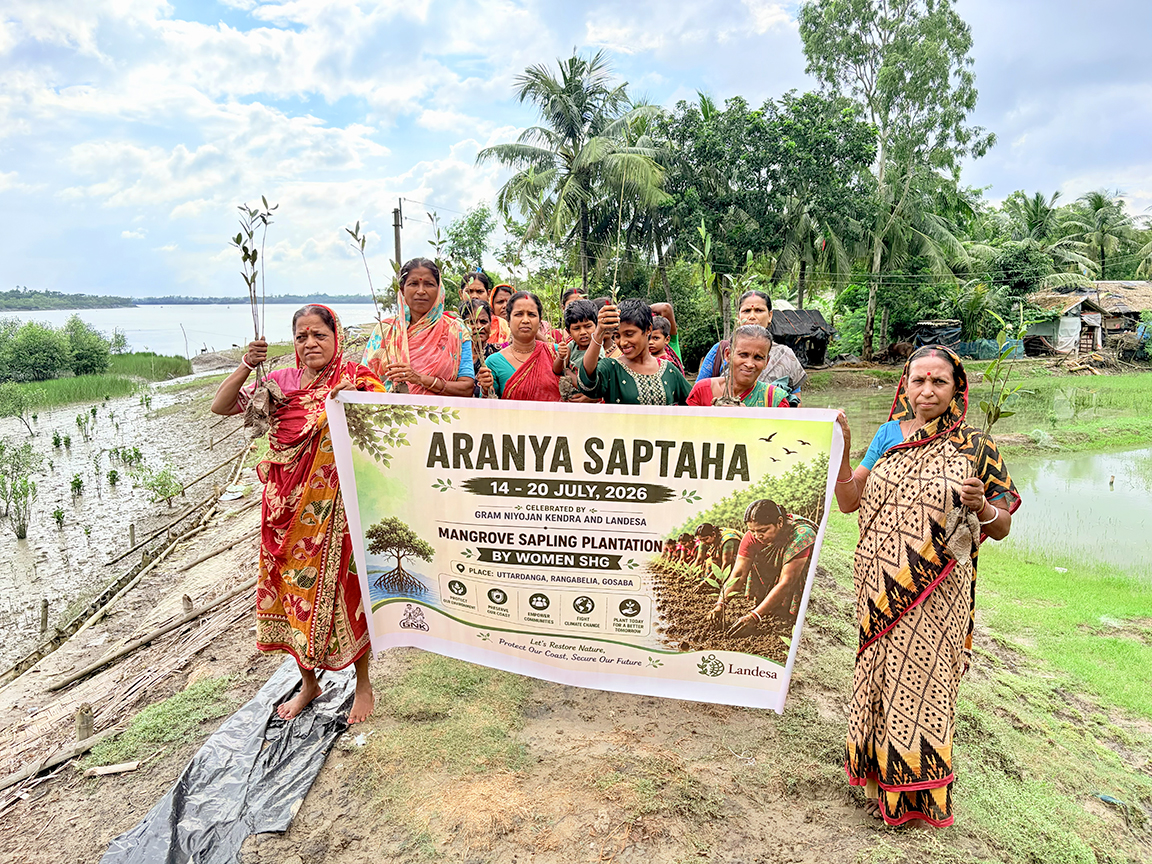
Rooted in Mangroves, Rising Together: Women’s Collective Leads in Mangrove Conservation
In the Indian Sundurbans, women are taking collective action to restore mangrove forests and embracing sustainable alternative livelihoods.
July 21, 2026
Before the Dispute: How Land-Based Investments Can Shape Conflict Long Before It Appears
Land-based investment can generate or intensify conflict — but it doesn't have to. Investment processes that respect community rights, assess risks early, and ensure meaningful consultation and consent are more likely to result in outcomes that work for communities and investors alike.
June 26, 2026
