




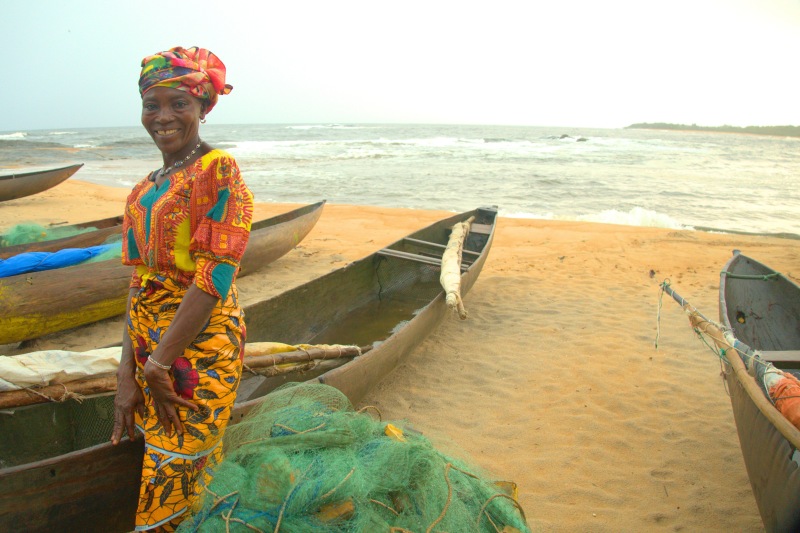
In Rivercess County, Liberia, the land of the Togba Nyakon Clan hugs the sea, its mangroves a nursery for numerous species of fish that are a source of food and livelihood for the community. Ms. Dekontee Matt (pictured above), an assistant town chief and fishmonger, beams with pride as she describes the rich value of her community’s land, which is also home to fertile cropland and lush tropical rain forests.
But that same natural beauty and resource wealth also makes the land ripe for exploitation, and Dekontee explains that the community fears they might be pressured into conceding portions of their land for development purposes, including carbon projects. Fortunately, Dekontee and the Togba Nyakon Clan received a deed to their customary land in 2024, elevating the clan to the status of owners of Customary Land and ensuring formal and robust decision-making power to sustainably manage and protect their most important resource.
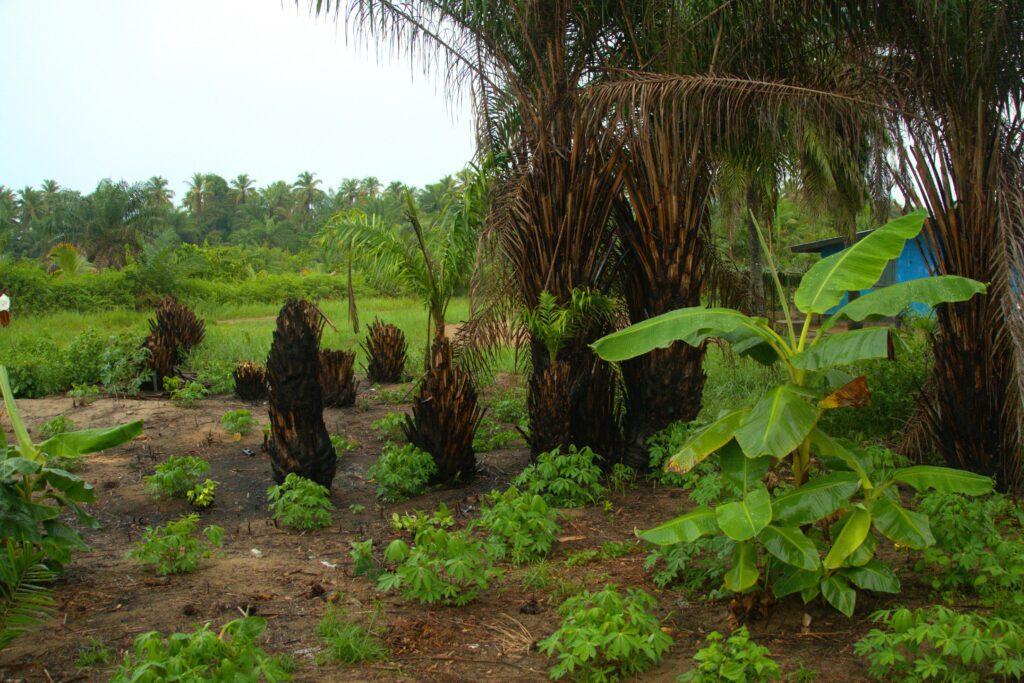
Land of the Togba Nyakon Clan, Rivercess County, Liberia.
But that experience is relatively uncommon among rural communities across Africa. At least 800 million people in Africa live in its rural areas, where an estimated 60 percent rely on land for food and livelihood. But despite the links between land tenure, economic opportunity, and social empowerment, most don’t have secure rights to the land they rely on to survive. And in an age of worsening effects from climate change, this gap in land rights — for women, Indigenous Peoples, and local communities — takes on even greater urgency.
Earlier this year, the Rights and Resources Initiative (RRI) and Landesa filed a joint amicus brief with the African Court on Human and Peoples’ Rights, urging the court to affirm that Indigenous Peoples and local communities, especially women, are rightsholders protected by the African Charter; that climate action and conservation programmes can themselves violate those rights; and therefore that securing their land rights is integral to fulfilling States’ human rights and climate obligations.
Indigenous Peoples and local communities across Africa have long faced displacement, dispossession, and territory loss associated with conservation, as illustrated by court cases brought by the Ogiek and Endorois communities in Kenya. Especially in an age of land-based carbon projects, carbon markets explosively increased commercial incentive for large-scale land acquisition, as seen by the now-terminated acquisition of more than one million hectares of Liberian forests by Blue Carbon, a Dubai-based company. Our amicus brief underscores that States have heightened obligations in the climate context to recognize the collective and individual rights of Indigenous Peoples and local communities in order to guard against further harm to these communities from pursuing climate objectives.
More importantly, secure land rights are not at odds with effective climate action — rather, when equitably applied, they can improve outcomes for both people and the planet by empowering the traditional stewards of land.
Decades of evidence show that Indigenous Peoples and local communities play a vital role in protecting land, forests, biodiversity, and natural ecosystems while sustaining their cultures, livelihoods, and governance systems. Globally, 2.5 billion women, men, and children depend on land, forests, natural resources, and ecosystems for their wellbeing and livelihoods. In particular, Indigenous Peoples, local communities, and Afro-descendant Peoples manage as much as 50 percent of the world’s land, including 58 percent of the world’s remaining intact forests.
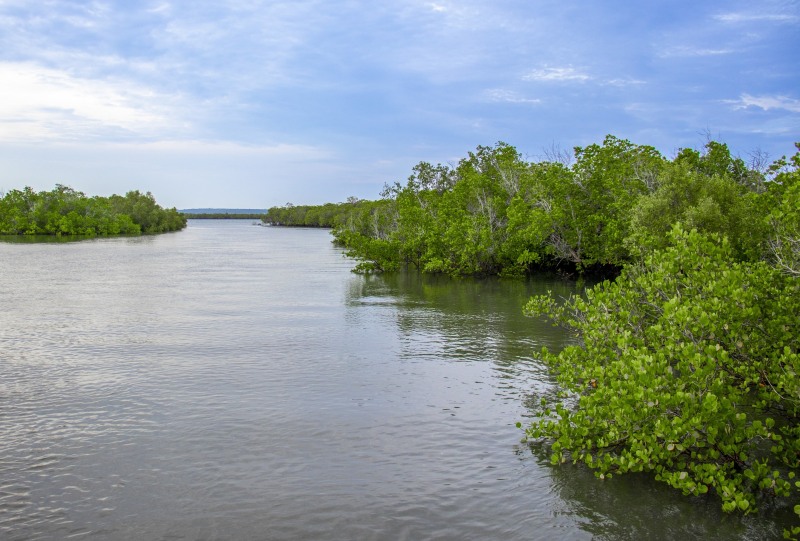
Mangrove forest in Tanzania
Land is also foundational to national climate commitments — an estimated 1.2 billion hectares of land would be required to fulfill national pledges for carbon removal, much of which is claimed or managed by Indigenous Peoples and local communities.
Yet many communities across Africa and around the world continue to face legal and institutional barriers to securing recognition of their customary lands and territories. The brief stresses that governments cannot fully meet their climate commitments without first recognizing and protecting community and women’s land rights, and that climate and conservation initiatives, including carbon markets, REDD+ projects, protected areas, and conservation concessions, must uphold the same human rights standards as any other land-based activity.
Critically, the lack of recognition of land rights is a missed opportunity. By recognizing their rights to land, governments can empower the Indigenous Peoples, local communities, and women, who are already effectively managing millions of hectares of land and forest. This includes adopting a rigorous consultation process and obtaining Free, Prior, and Informed Consent (FPIC) from communities in the context of land-based investments, including carbon projects.
Action by the African Court to affirm that land rights are protected under the African Charter and a cornerstone for climate action could have a ripple effect across the continent. An advisory opinion by the Court would guide States to incorporate land governance, as well as communities’ and women’s land rights as foundational to climate policy, programmes, and related effort. This would build on the advisory opinion from the International Court of Justice and the Inter-American Court of Human Rights on land and territorial rights, including FPIC.
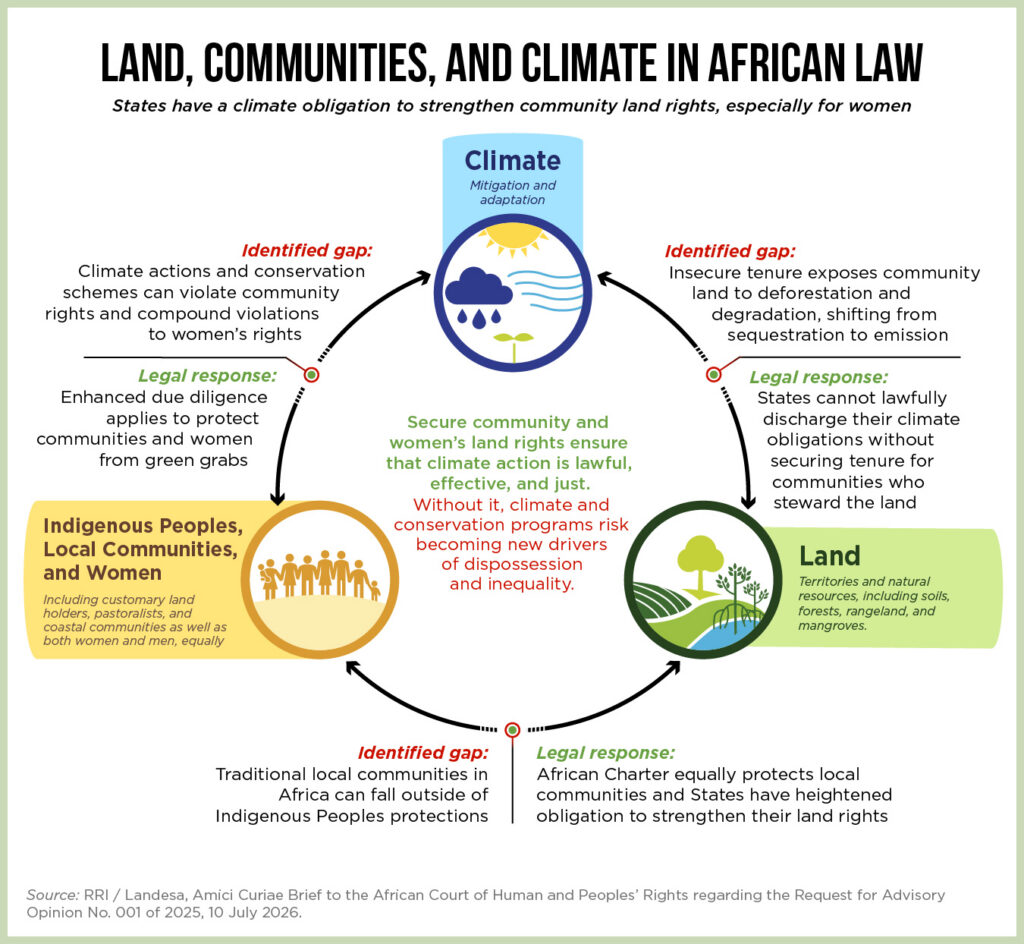
In the event of future litigation proceedings related to climate change and the rights of Indigenous Peoples and local communities, an African Court Advisory Opinion will establish an important authoritative interpretation of the Charter in the context of climate change. It would also establish clear guidance for national courts weighing their own cases related to land rights and climate action.
For Indigenous Peoples, local communities, and the women within them, an advisory opinion from the African Court adds a legal lever to defend, litigate, and promote their rights. Importantly, it would make their land rights claims harder to treat as requests for state goodwill rather than as enforceable entitlements grounded in the African Charter.
Related blogs
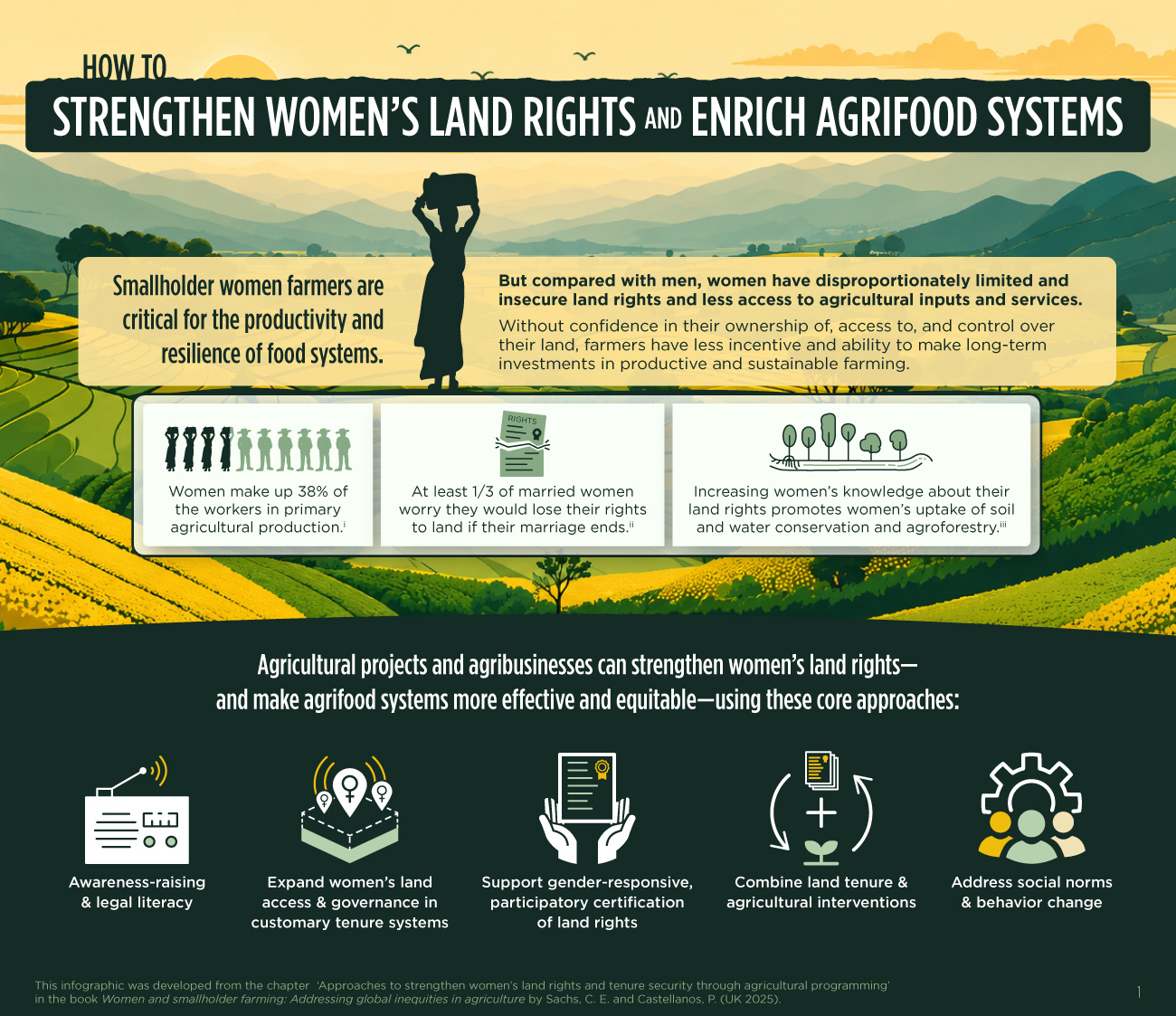
Ways to strengthen women’s land rights in agricultural projects
Five tested approaches show how agricultural projects and companies can strengthen women farmers’ land rights while advancing sustainable agriculture, food security, and women’s economic empowerment.
August 10, 2026

A People-Centered Solution to Conserve Mangroves and Foster Resilient Communities
A 20-year analysis of mangrove forest cover dynamics in Thailand found that mangrove ecosystems fared better when under community management.
July 21, 2026
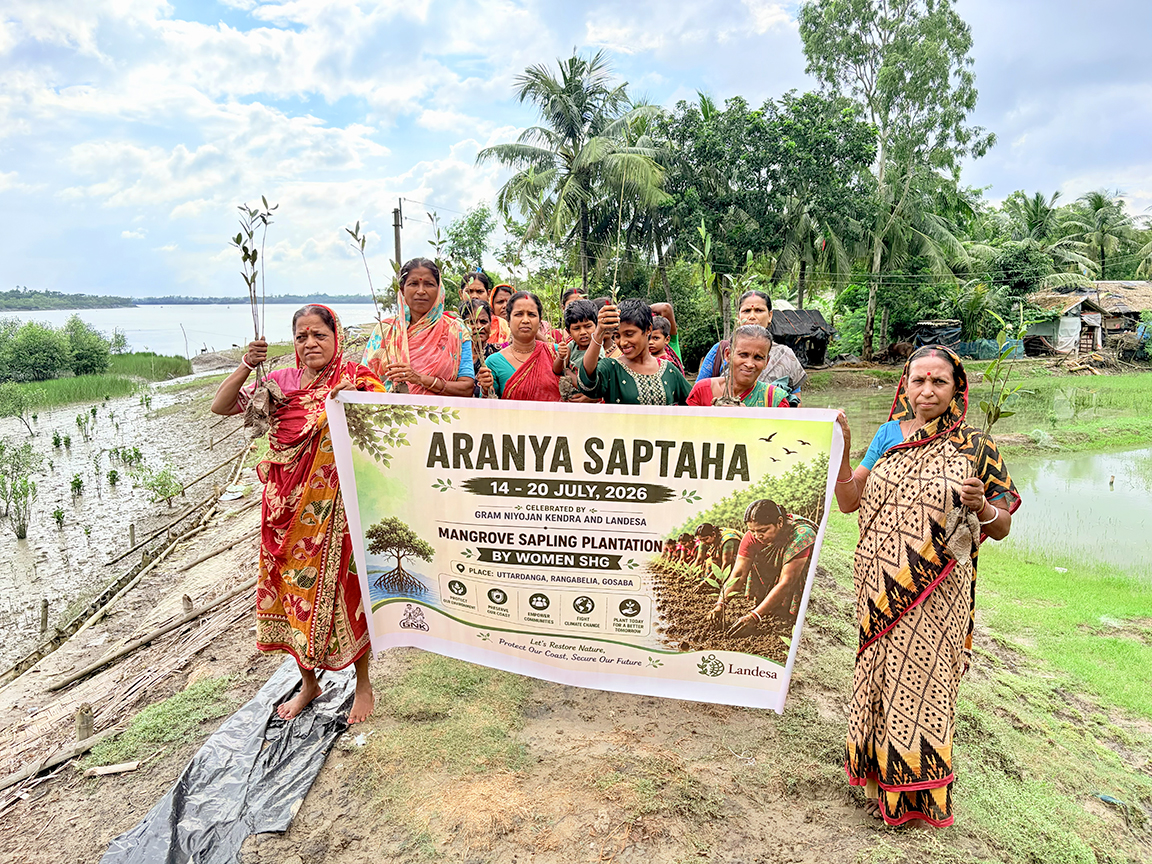
Rooted in Mangroves, Rising Together: Women’s Collective Leads in Mangrove Conservation
In the Indian Sundurbans, women are taking collective action to restore mangrove forests and embracing sustainable alternative livelihoods.
July 21, 2026
