




By Racheal Kisiangani & Leslie Hannay
“The investor spoke to one clan and ignored the rest.”
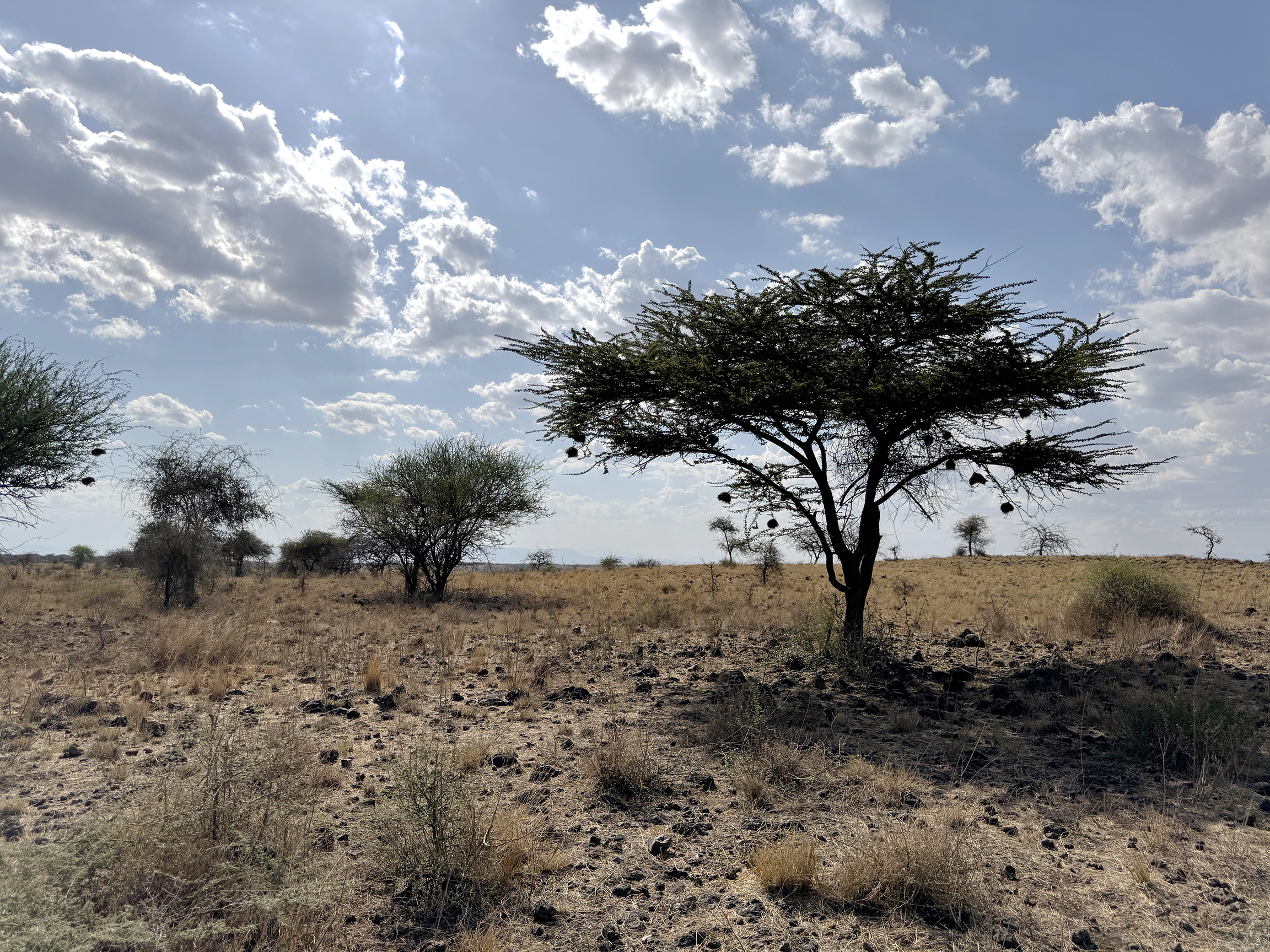
A community leader shared this during a recent workshop in Isiolo, in northern Kenya, where an investor had identified community land for a project. The company had begun discussions with local leaders, and some people felt they had been left out of the discussions. As questions emerged about who had been consulted and who had the authority to speak on behalf of the wider group, disagreement within the community over the question of consultation eroded support for the project, which eventually stalled before implementation began.
Across Kenya and the wider region, versions of this story are playing out across all manner of land-based investments. The details vary, but the questions are similar. Who gets included in decisions? Who speaks for the community? Who has access to information? Who benefits? And who gets left out? Similar questions have surfaced around projects as different as the Lake Turkana Wind Power project in Kenya, mining developments in Western Kenya and gas projects in Mozambique’s Cabo Delgado province. In each case, debates extended beyond compensation or land access alone. Communities raised concerns about who was consulted, whose interests were represented and whether decisions affecting local land and livelihoods had been made with their participation.
Researchers and practitioners working across these contexts are increasingly drawing the same conclusion — one that animates this year’s LANDac Conference on Land, Conflict, and Peace: that the structural conditions shaping land access and rights are often the same conditions that generate, sustain, or inflame conflict. The challenge is understanding what that means in practice, before a project begins.
When investment processes fail to address these issues well from the outset, they can generate or intensify conflict, threatening communities’ rights, and causing costly delays, legal battles, and even project failures.
Recurring patterns
Many conflicts linked to land-based investments are described as disputes over land, compensation or benefits. Those issues are often part of the story, but they do not always explain why tensions emerge or why they become difficult to resolve.
Investments do not occur in a vacuum: they take place in the context of land tenure systems and communities’ particular economic, institutional, and historical dynamics and prior experiences – good and bad – with investment. In Cabo Delgado, for example, gas developments unfolded in a region already marked by long-standing grievances, uneven development, and feelings of exclusion. Elsewhere, such as in the Lake Turkana Wind Power project, tensions have emerged more directly around the investment itself.
By the time an investor arrives, communities already have their own histories, relationships and unresolved issues. Historical injustices, competition over resources, contested claims to land and feelings of exclusion do not disappear when a new project begins. Sometimes investments become part of those existing dynamics. In other cases, they introduce new concerns of their own.
Whether or not underlying conflict is present in a community, what happens at the outset of an investment process can determine whether the investment mitigates or exacerbates that conflict. In northern Kenya and other dryland regions, the same piece of land may be used for grazing, provide access to water, support seasonal livestock movements or hold cultural significance for different groups. A decision that seems straightforward to an investor may be experienced very differently by the people who depend on that land.
Consultation is rarely just about sharing information; it influences whose voices are recognized, whose interests are prioritized and whose concerns remain unheard. For this reason, the question of meaningful consultation and effective free, prior, and informed consent (FPIC) processes are not procedural boxes to tick — they are the foundation on which trust is built or lost.
Not every disagreement becomes a conflict, and not every conflict starts with an investment. Promised benefits matter to communities — but so does whether they were heard, whether decisions were fair and whether concerns were taken seriously when they were first raised.
When people feel ignored or excluded from decisions that affect them, trust often weakens long before a dispute becomes visible. By the time conflict becomes visible, rebuilding trust is often far more difficult than building it in the first place.
The community—investor framework
Land-based investment can generate or intensify conflict — but it doesn’t have to. Investment processes that respect community rights, assess risks early, and ensure meaningful consultation and consent are more likely to result in outcomes that work for communities and investors alike. The question is what those processes look like in practice.
One response is to focus more closely on how communities and investors engage before major decisions are made. These questions have also informed the development of Landesa’s Community–Investor Framework, which focuses on how communities, investors and government actors engage before and during land-based investments. Developed with the Drylands Learning and Capacity Building Initiative (DLCI), the Framework offers a clear, legally grounded process for responsible investment on community land in Kenya’s drylands — covering the full investment cycle from entry, due diligence and FPIC through to monitoring and responsible exit. By embedding transparency, inclusive representation, and early grievance mechanisms at every stage, it aims to address the conditions that so often allow conflict to take root before it becomes visible.
Many of the tensions around land-based investment do not emerge overnight. They build gradually through exclusion, misinformation, unmanaged expectations and unresolved concerns. The framework focuses attention on these early stages, when trust can still be strengthened, expectations clarified and concerns addressed before positions become entrenched.
This does not mean that every conflict can be prevented. Historical injustices, contested land claims, competition over resources and broader political dynamics cannot be resolved through a framework alone. Nor can dialogue eliminate all disagreements between communities and investors. What the framework can do is make it more likely that concerns are identified early, discussed openly and addressed before they become larger disputes.
Conclusion
The community leader in Isiolo put it simply: the investor spoke to one clan and ignored the rest. That single decision — who to talk to, and who to leave out — shaped everything that followed. Land-based investments do more than create economic opportunities. They shape relationships, surface competing claims, and test whether the people most affected by a decision had any real part in making it. Across Kenya’s drylands, investments will continue to raise these same questions: who is included, who speaks, and whose concerns are taken seriously. The Community–Investor Framework cannot answer those questions on behalf of communities or investors. But it can create the conditions in which they are asked — and addressed — before the damage is done.
Racheal Kisiangani and Leslie Hannay are Senior Land Tenure Specialists with Landesa’s Corporate Engagement program.
Related blogs
Climate Action in Africa Must Protect Community and Women’s Land Rights
For communities across Africa, a land deed means a stronger voice in decisions about its territories and natural resources. Landesa and RRI are urging the African Court on Human and Peoples’ Rights to affirm that climate efforts must respect the land rights of communities and women across Africa.
September 22, 2026

A People-Centered Solution to Conserve Mangroves and Foster Resilient Communities
A 20-year analysis of mangrove forest cover dynamics in Thailand found that mangrove ecosystems fared better when under community management.
July 21, 2026
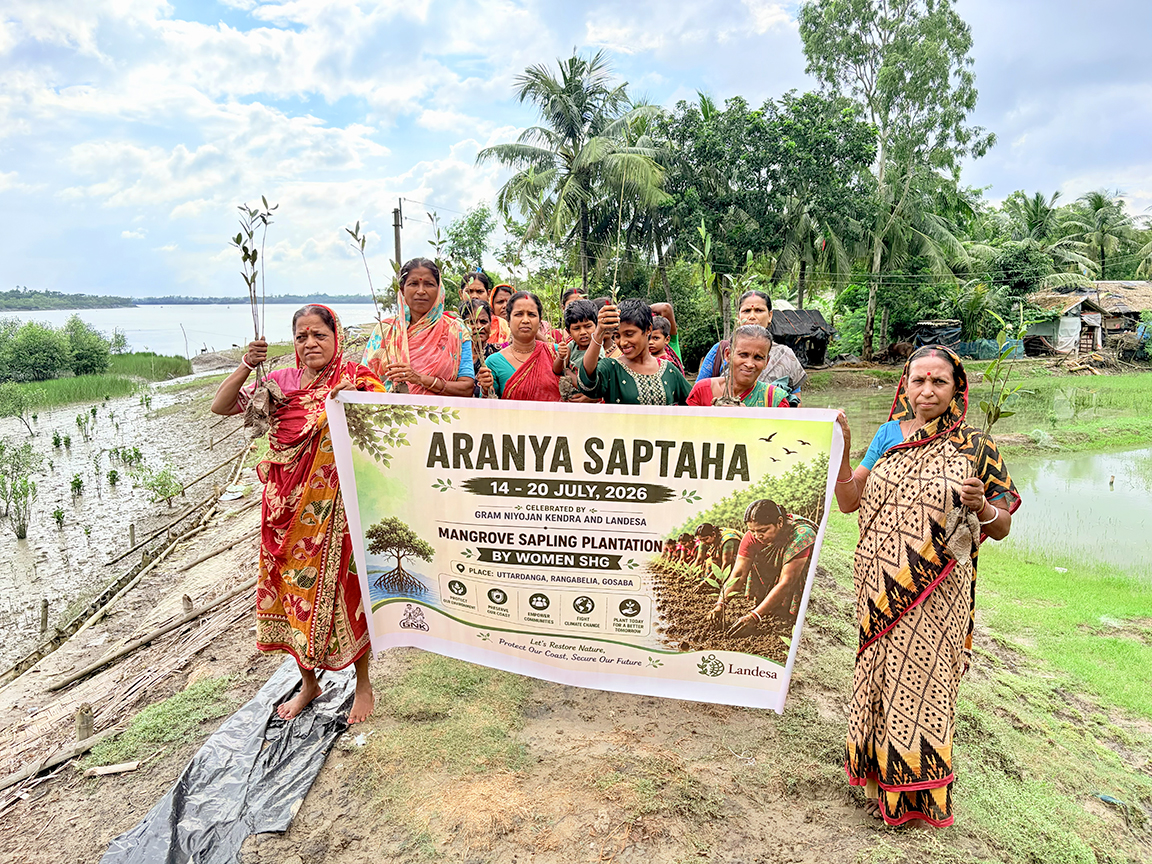
Rooted in Mangroves, Rising Together: Women’s Collective Leads in Mangrove Conservation
In the Indian Sundurbans, women are taking collective action to restore mangrove forests and embracing sustainable alternative livelihoods.
July 21, 2026
