
Resources



Featured resource
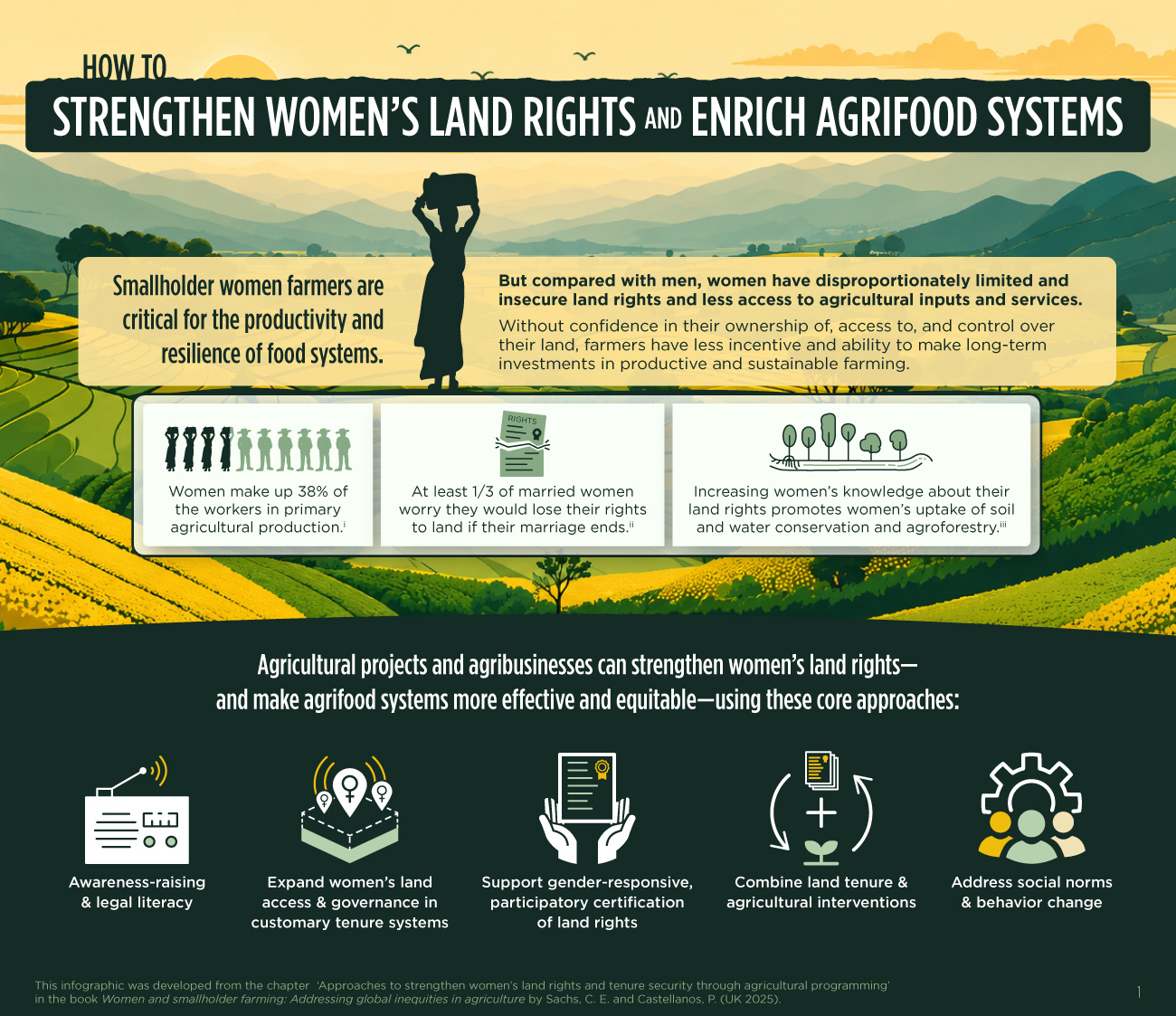
This infographic explores five tested approaches that agricultural projects and companies can use to strengthen women’s land rights and build more productive, equitable, and resilient food systems.
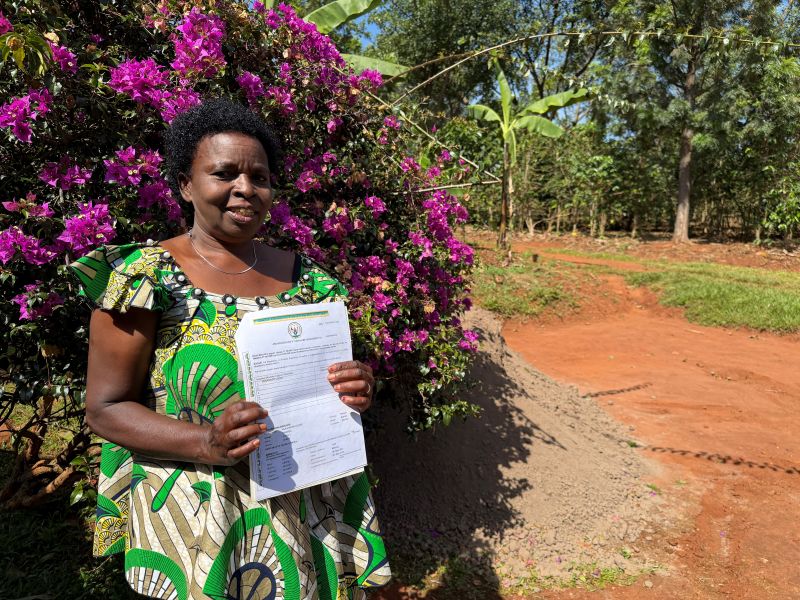
When Louise was widowed in 2005, her livelihood came under threat: her land was not registered, leaving her without secure rights to her land. Widows are often targeted for land takings, encounter boundary disputes, and face barriers to inheritance. Without her land, she would lose her food security and her income.
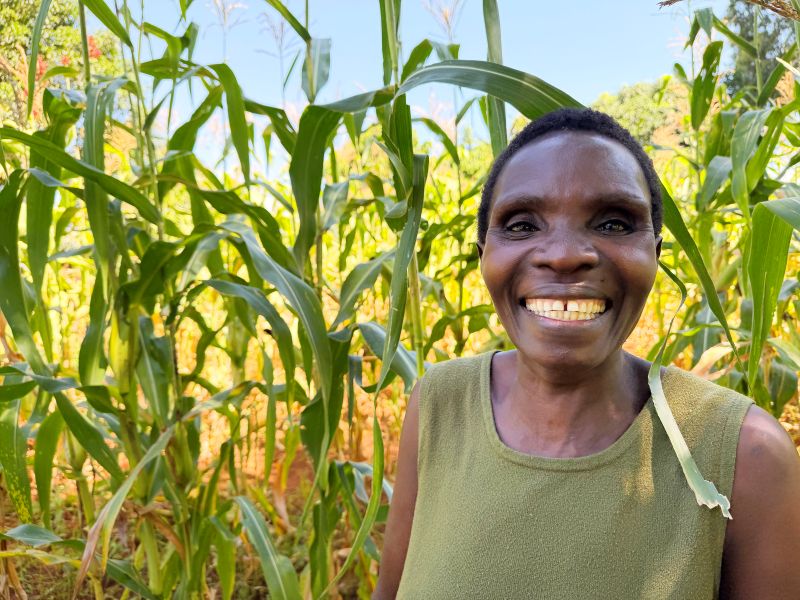
Rebecca Ogalo spent more than two decades fearing she could lose the land she depended on to raise her son, until a Landesa land clinic in Kisumu, Kenya helped uncover the records needed to receive a land title in her name.
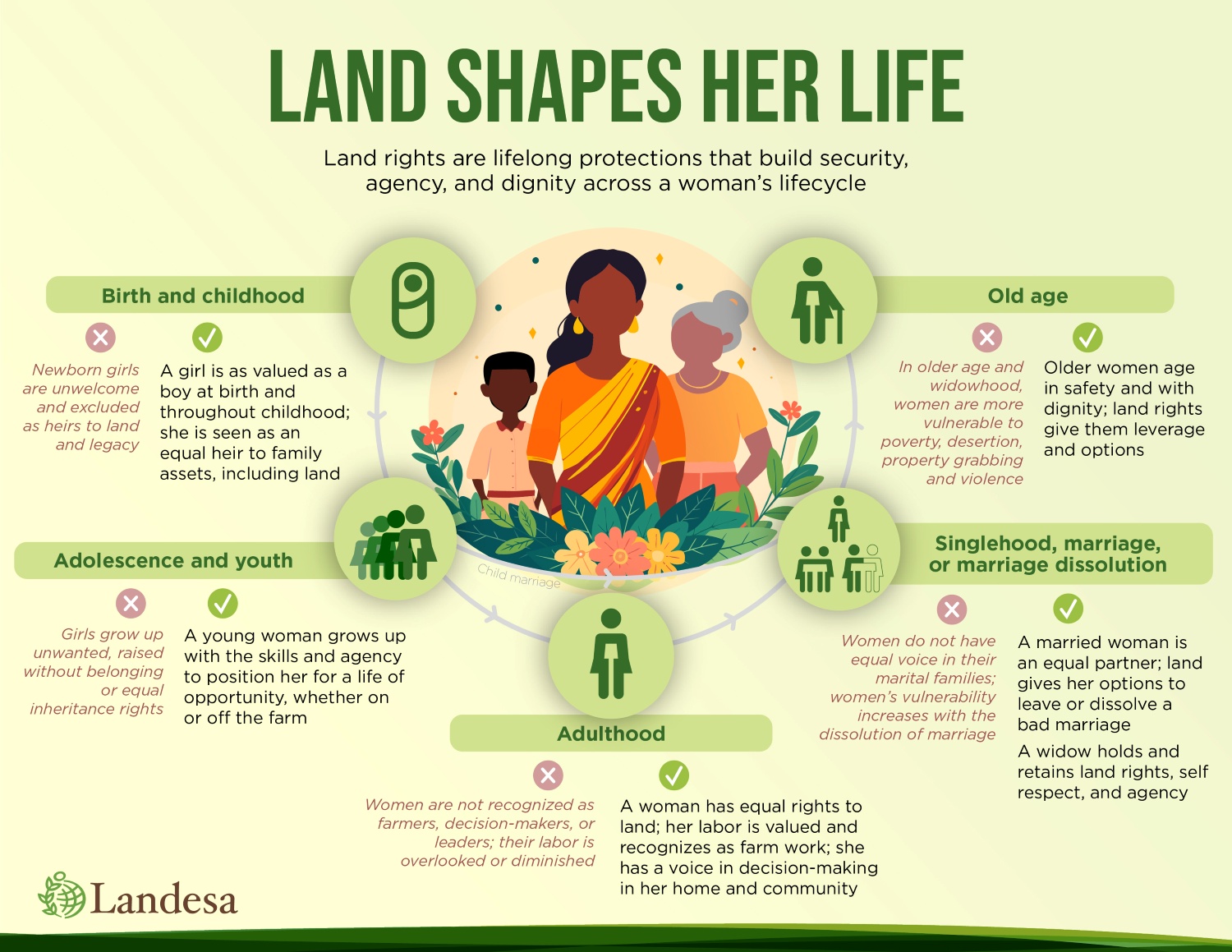
A woman’s relationship with land is not defined by a single moment—it unfolds across her entire life. This infographic traces two paths: one shaped by exclusion, and one by equal rights, showing how land can either limit or unlock her potential.
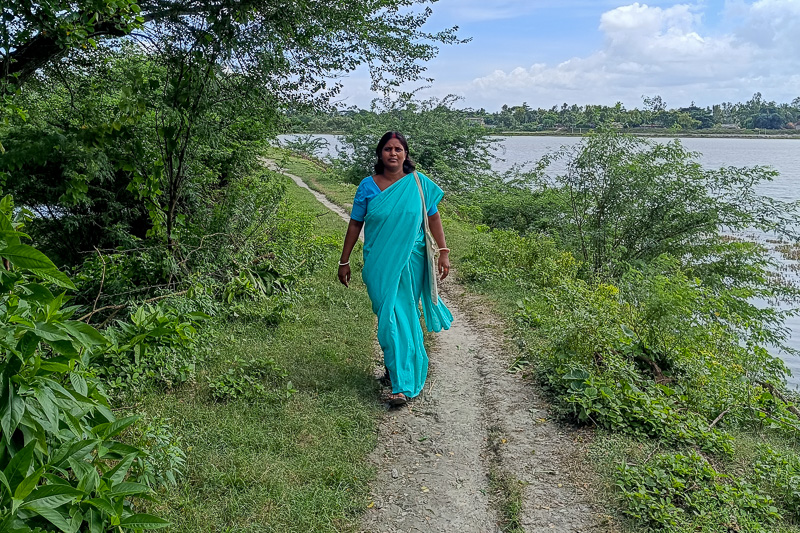
After Cyclone Aila destroyed her home, Supriya Mondal lost nearly everything. But the disaster also set her on an unexpected path, one that would turn her into a trusted community leader helping protect the Sundarbans through climate-smart livelihoods and mangrove conservation.
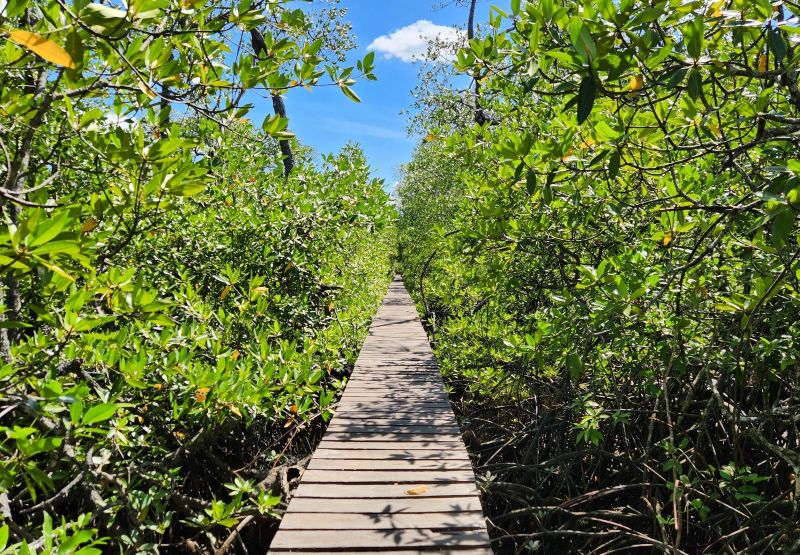
Landesa’s new study demonstrates how Indonesia’s intended new capital city can showcase integrated and inclusive tenure security and coastal management that balance urban development with mangrove ecosystem conservation. The study reveals the feasibility of implementing Payment for Ecosystem Services and proposes integrating ecosystem service economics with the land certification framework in the country, pioneering gender-responsive ecosystem service rights certification.
Meet Momtaz Begum, a woman rebuilding hope in coastal Bangladesh by adapting her land and planting mangroves to protect her home from the rising tide of climate change.
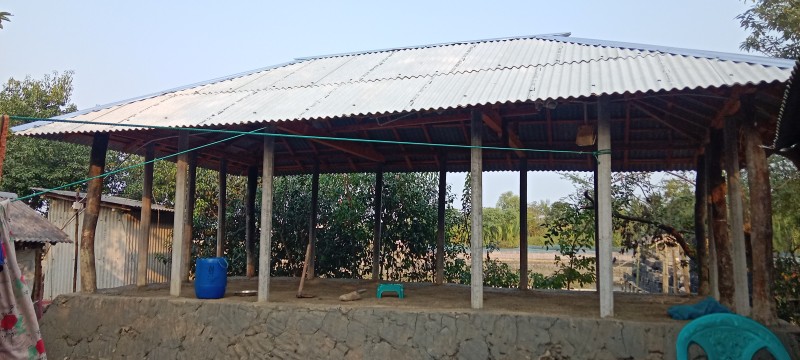
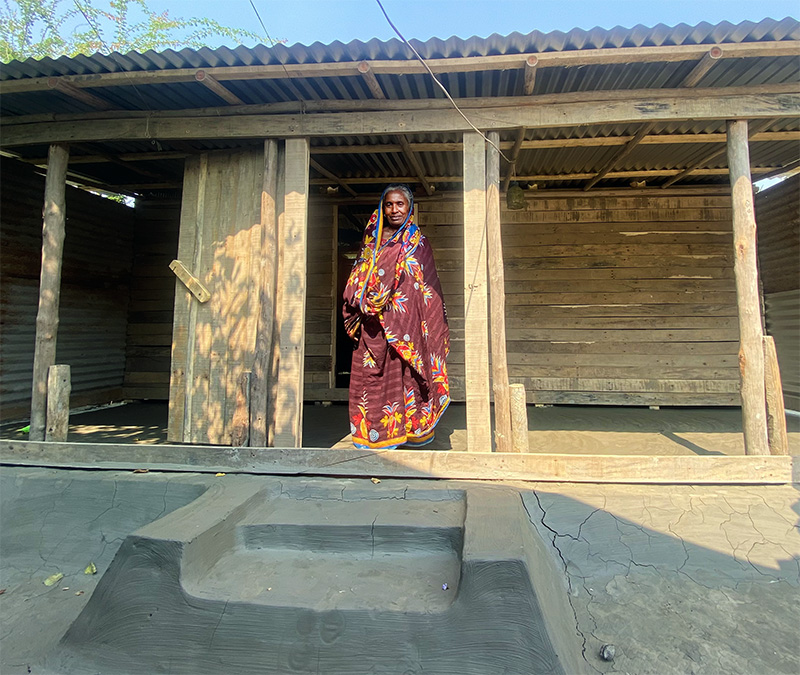
After decades without secure shelter, Naima and her family in Bangladesh’s Sundarbans gained legal access to land through a government lease program after attending a training supported by Shushilan and Landesa. They are now building a permanent home and planting a garden—laying the groundwork for a more stable future.
This program reflection from the Coastal Livelihoods and Mangroves Project explores how gender norms shape women’s and girls’ experiences of climate change in Bangladesh’s coastal communities. Drawing on fieldwork in Satkhira and Khulna districts, Shushilan’s Snigdha Ghosh highlights how unequal access to forest resources and mobility restrictions limit women’s participation in climate resilience efforts—reinforcing vulnerabilities and increasing the risk of gender-based violence. The insights underscore the need for gender-sensitive climate action that centers the voices and rights of women and girls.
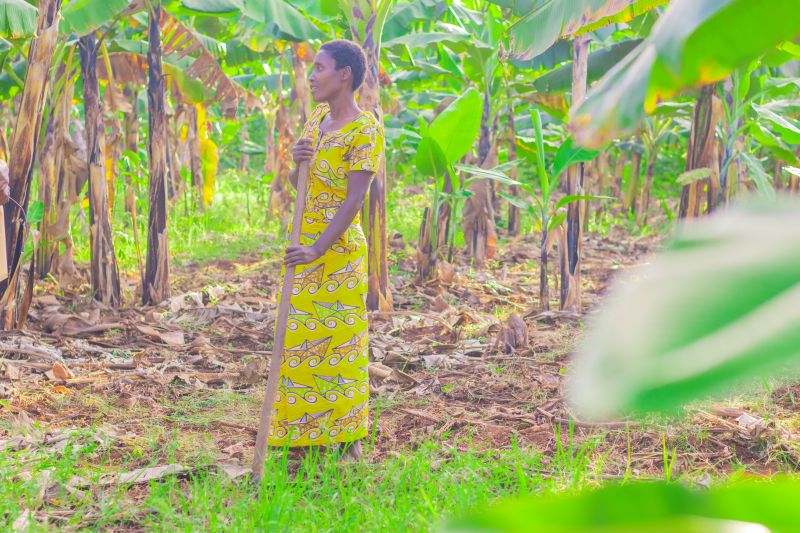
For a widow living with a disability, correcting her land boundaries was more than a technical process; it was a gateway to dignity, peace of mind, and community inclusion.
