


Securing land tenure transforms frontline vulnerability into pathways for resilience by providing the foundation to avert, minimize, and address climate loss and damage
By Corey Creedon
Though climate change is a global phenomenon, its worst effects are not equally distributed. The disproportionate impact of loss and damage on those least responsible for climate change has led to a “moral imperative” for the world to act.
The recent devastating floods in Nepal are a harrowing example of this trend. Described as a “warning to the world” at the UN General Assembly last month, the floods killed more than 1,400 and left many thousands more missing. Apart from the human toll, the estimated economic cost in loss and damage is a staggering $5 billion. Nepal has called on world leaders for stronger climate action and is requesting $20 million in compensation from the UN Fund for Responding to Loss and Damage, the maximum amount allowed. This $4.98 billion funding gap underscores the inadequacy of international finance mechanisms to account for loss and damage.
Climate-induced loss and damage refers to the negative impacts of climate change that occur in the absence of efforts to reduce greenhouse gas emissions or build resilience; or even impacts that occur despite such efforts. Such impacts can involve both economic losses, like damage to infrastructure and crop yields, and non-economic losses, such as loss of culture, biodiversity, and displacement. For frontline communities, climate-induced loss and damage manifest directly on the land. Whether facing sudden disasters or slow-onset events like glacial melt and sea level rise, a community’s capacity to recover is deeply linked to secure land tenure and land rights: the legal and customary systems and specific allocations deciding who accesses, uses, and controls the land.
When people’s land rights are insecure, they are less able to respond to climate change-exacerbated disasters and slow-onset events. Land tenure insecurity can create risks including land grabbing, distress sales, disaster capitalism profiting from crisis, prolonged displacement, exclusion from post-disaster government aid, and limited pathways for investing in building back better. These climatic shocks also have the potential for irreversible loss of non-economic assets. Climate loss and damage can affect health and well-being, as well as Indigenous and local knowledge systems, identity, and cultural heritage by eroding ecosystems and species vital for food, medicine, traditional ways of life, and sacred landscapes. Additionally, climate change serves as a risk multiplier for existing inequalities; for example, a lack of secure land rights means women can be more easily displaced than men.
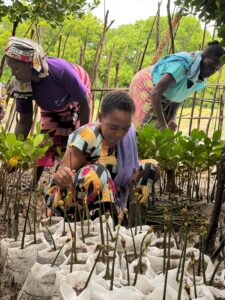
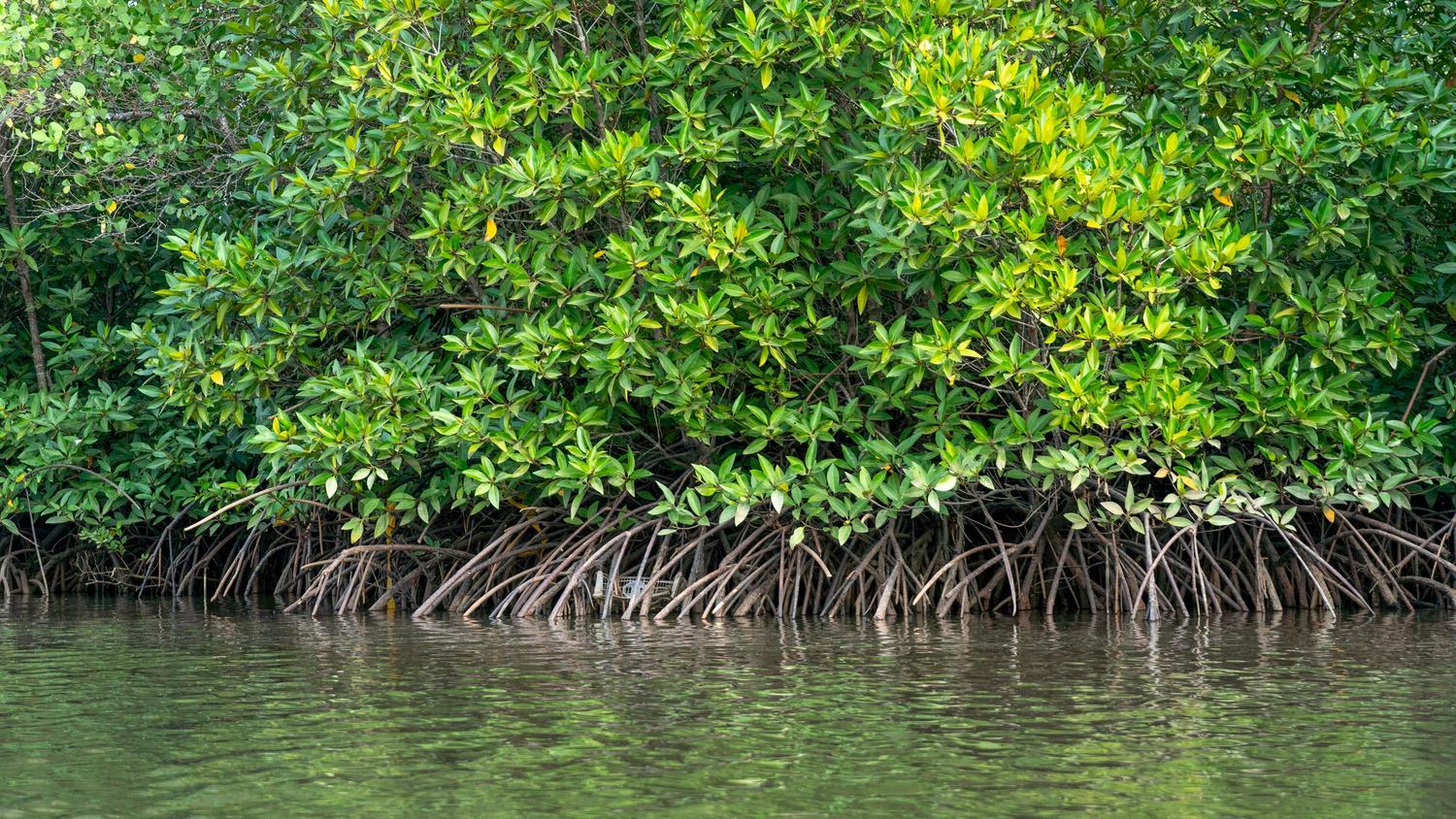
Grace Damashida (center) volunteers with Juhudi (Swahili for “Effort”) Widows Hopes and Dreams in Uyombo, Kilifi County, Kenya, where she helps manage a mangrove sapling nursery. Thanks to the work of Grace and other women, the group is helping to restore degraded mangrove forests along Kenya’s coast.
In contrast, recognizing and securing land tenure can be a cost-effective catalyst to lower deforestation and land grabbing risks, support Indigenous Peoples and local communities as land stewards, incentivize long-term adaptation, and help to sustain peace and human security. Research also shows that women’s land rights boost long-term investments in carbon sequestration, climate adaptation, and sustainable land management, transforming frontline vulnerability into structural resilience. Secure land tenure can grant individuals the basis, dignity, and opportunity to respond to climate change.
Leveraging secure land rights to respond to loss and damage
Actions that confront loss and damage fall along a spectrum, which ranges from mitigating climate change (averting loss and damage), to adapting to the impacts of climate change (minimizing loss and damage), and finally to addressing the unavoidable losses and damage caused by the climate crisis. Secure land tenure can act as a foundational catalyst to respond to loss and damage across this spectrum. Examples of the ways that land tenure can be leveraged include:
- Averting loss and damage (mitigation): Secure land rights create incentives that encourage investment in soil conservation and longer-term land stewardship – helping to curb land degradation and promote climate mitigation. Legally recognizing the land rights of Indigenous Peoples especially can help advance their outsized role in the guardianship of forests, further safeguarding these vital carbon sinks.
- Minimizing loss and damage (adaptation and risk reduction): Land tenure security incentivizes long-term investments that respond to the threats posed by climate change, such as through climate-smart agriculture or coastal restoration that protects shorelines. Customary and collective land tenure security can also safeguard against non-economic losses and damage by enabling the protection of cultural heritage, biodiversity, local livelihoods, and Indigenous and local knowledge – which can help inform sustainable ecosystem management needed for adapting to climate change. By legally recognizing communities as rights-holders, secure land tenure frameworks provide the legal authority needed to demand that Free, Prior, and Informed Consent (FPIC) and robust social safeguards be embedded into climate action, thereby reducing the risk of land grabbing during relocation induced by climate shocks or by managed retreat and resettlement initiatives.
- Addressing loss and damage (recovery, rehabilitation, and build back better): Secure land rights, typically in the form of a government-issued ownership deed (though formally recognized customary or collective rights are also increasingly relevant) are frequently a prerequisite for accessing post-disaster aid, insurance and claim payouts, and reconstruction credit. When unavoidable loss and damage occurs, secure land tenure grants communities the legal status and agency to maintain social cohesion and build back better by investing in safer, sustainable, and resilient infrastructure, landscapes, and communities.
In practice, these pathways can overlap, and securing land tenure may simultaneously serve multiple functions. Across the spectrum, integrating gender equality and social inclusion is vital to lasting solutions. Ensuring secure land rights for women and traditionally marginalized groups – who disproportionately bear the brunt of climate impacts while carrying essential knowledge for natural resource management – is key to driving resilience.
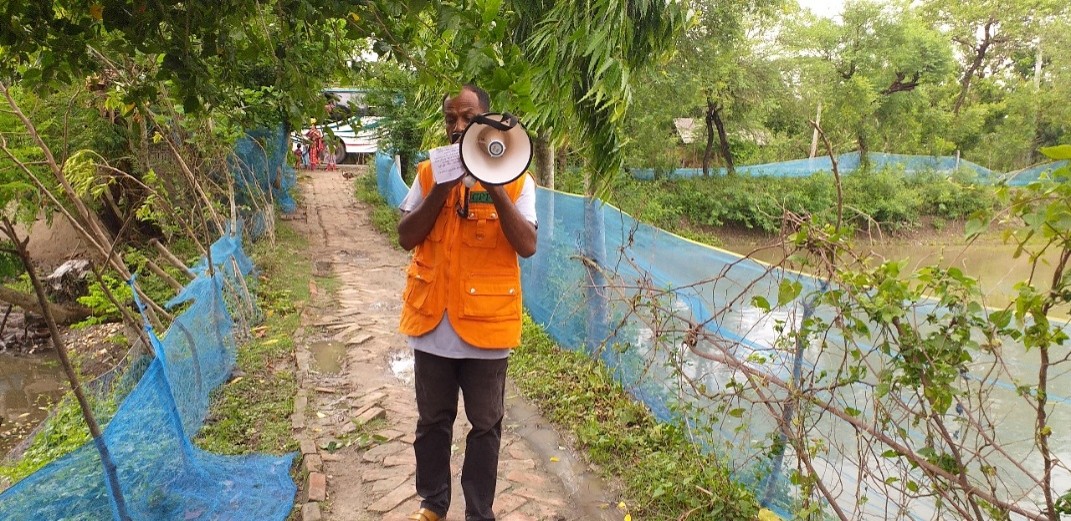
Ashit Munda, an Indigenous Munda man from a landless family in a high-risk coastal region of Bangladesh, participated in local capacity-building sessions on land rights and disaster risk reduction under Landesa’s Women-Led Collective Advocacy for Climate Action project in coordination with the Association for Land Reform and Rural Development, which ultimately helped to inspire his subsequent action and leadership during and after Cyclone Remal made landfall on May 26, 2024.
Joining the Santiago Network and looking ahead
The challenges associated with climate change loss and damage are enormous, but there is a cause for hope and opportunities to respond. The Santiago Network, a global initiative established under the UN climate process that connects developing countries and vulnerable communities with tailored, demand-driven technical assistance to help them assess, manage, and address climate-induced loss and damage, is helping to meet critical needs.
Landesa is excited to have recently joined the network and looks forward to supporting governments in improving their approaches to climate loss and damage by integrating land tenure and rights-based governance into national policies, with an emphasis on frontline communities. These advisory services span law and policy reform, land titling and certification, inclusive governance, land use planning, institutional capacity building, and social safeguards – including through Landesa’s Protocol on Consultation and Free, Prior, and Informed Consent.
Corey Creedon, Sustainable Land Use & Livelihoods Specialist, is Landesa’s primary contact for loss and damage as members of the Santiago Network. Contact Corey at coreyc@landesa.org.
Related blogs
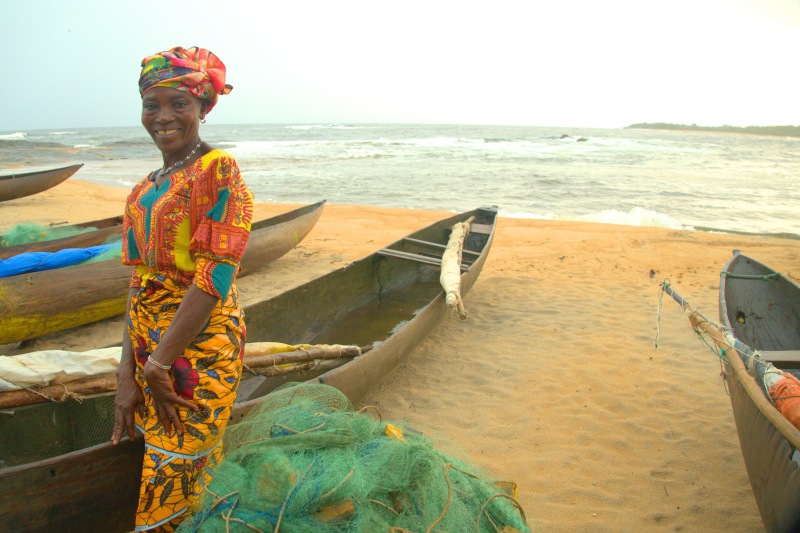
Climate Action in Africa Must Protect Community and Women’s Land Rights
For communities across Africa, a land deed means a stronger voice in decisions about its territories and natural resources. Landesa and RRI are urging the African Court on Human and Peoples’ Rights to affirm that climate efforts must respect the land rights of communities and women across Africa.
September 22, 2026
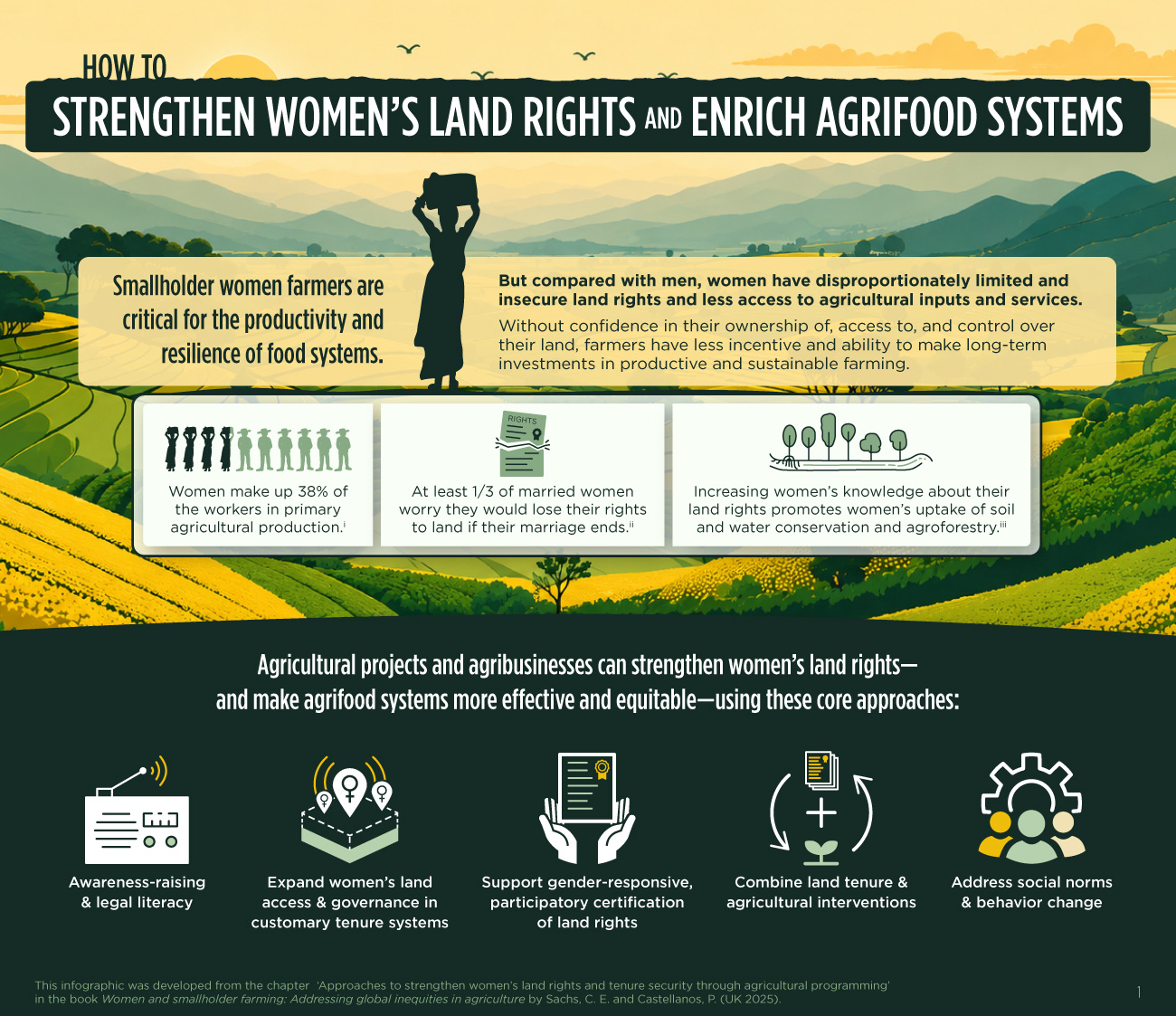
Ways to strengthen women’s land rights in agricultural projects
Five tested approaches show how agricultural projects and companies can strengthen women farmers’ land rights while advancing sustainable agriculture, food security, and women’s economic empowerment.
August 10, 2026
A People-Centered Solution to Conserve Mangroves and Foster Resilient Communities
A 20-year analysis of mangrove forest cover dynamics in Thailand found that mangrove ecosystems fared better when under community management.
July 21, 2026
