


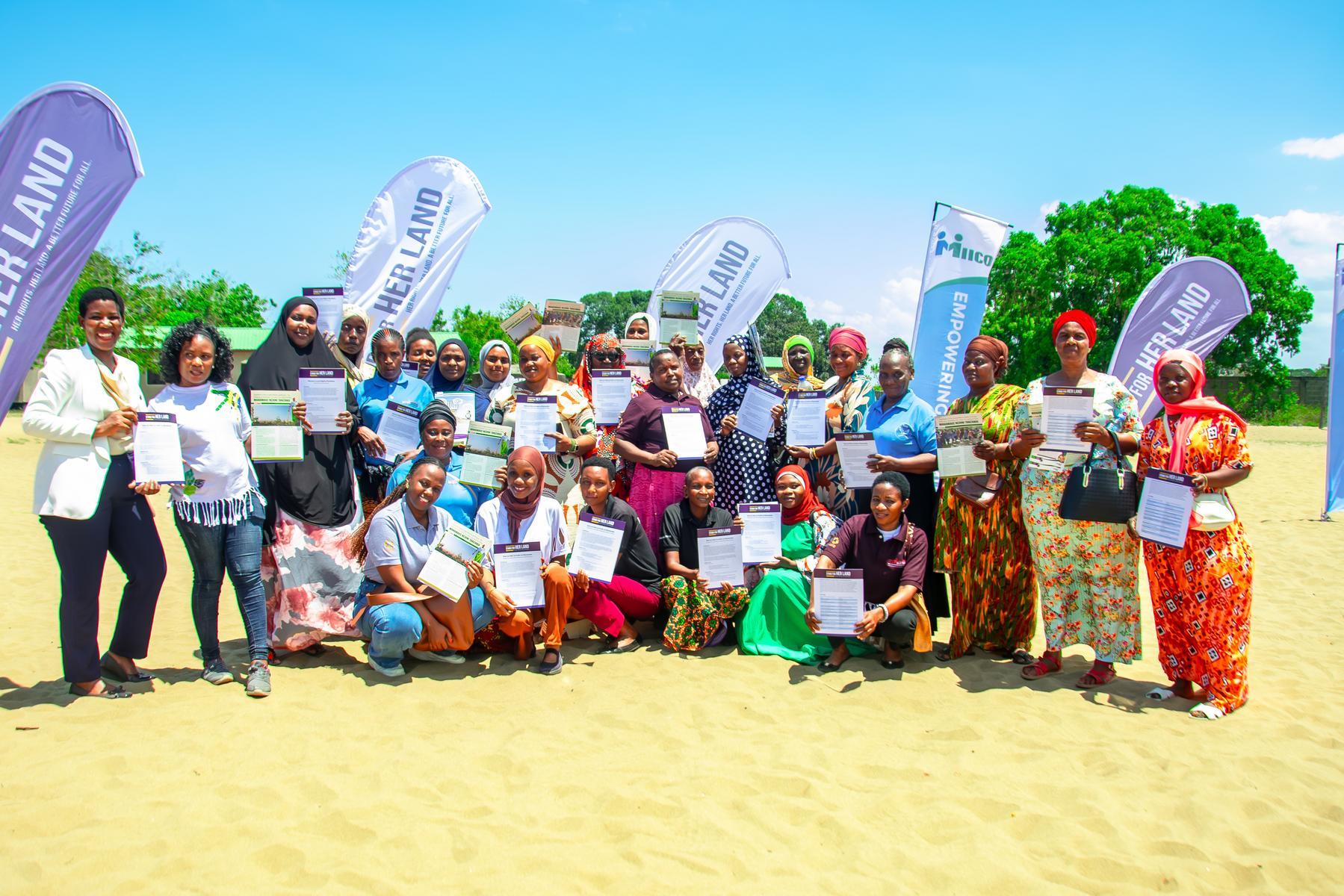
By Godfrey Massay and Khadija Mrisho
In 2021, the Generation Equality Forum (GEF) launched a 5-year action journey to achieve irreversible progress towards gender equality, founded on a series of concrete, ambitious and transformative actions by civil society, governments, and philanthropy, including $40 billion in financial commitments. Convened by UN Women, the initiative aims to ensure that the bold ambitions of the 1995 Beijing Platform for Action on women’s rights are finally implemented, and that the Sustainable Development Goals are achieved.
The President of Tanzania, H.E Samia Suluhu Hassan, committed to champion-economic justice and rights — one of the six action coalitions of the GEF — and appointed a 25-member national advisory committee. For organizations working on women’s land rights in Tanzania, such as Landesa, this was the perfect opportunity to advance a women’s land rights agenda.
Landesa Tanzania, in collaboration with other CSOs, worked closely with the members of the advisory committee and the secretariat, which is hosted by the Ministry of Community Development, Gender, Women and Special Groups, to inform the strategic plan, midpoint report, monitoring and evaluation tools, and the pending final five-year report. We also co-hosted several sessions at annual convenings of the Commission on the Status of Women (CSW) in New York and at national forums on land rights to build dialogue around women’s land rights. Through these engagements, laudable actions were taken by the Government in the areas of policy reform, land data, land registrations and gender budgeting.
As GEF ends this year, we reflect on progress made over the past five years:
- Policy reforms: Tanzania passed two policies related to women’s land rights during this time: the national gender and women development policy and the revised national land policy. The gender policy recognized progress made on women’s land rights and included stronger statements on the rights of women to own productive resources and participate in decision-making bodies. The revised land policy allowed women to own land, inherit clan land, and participate in decision-making bodies equally with men.
- Growing movement on women’s land rights: The GEF and SDGs have bolstered social movements around women’s land rights in Tanzania. In 2019, Stand for Her Land launched in Tanzania with 25 organizations. Since then, the movement has grown to 38 member organizations that are committed to bridging the gap between the laws and practice in Tanzania.
- Progress in gender statistics: There has been significant investment in Tanzania toward provision of gender statistics on women’s land rights. The SDGs and GEF requires provision of regular progress reports on the number of adult populations with tenure security by sex. Investment in technology such as Integrated Land Management Information System (ILMIS) and E-Ardhi have helped generate sex-disaggregated data. Women currently account for 28 percent of landowners in Tanzania, a remarkable rise from below 10 percent recorded just a few years ago.
- Legal aid: Mama Samia Legal Aid Campaign is a flagship national program offering pro-bono legal services for affected persons, including women. The program has identified land disputes as a major source of legal aid cases.
- Land services made accessible to women: The Ministry of Lands, Housing, and Human Settlements launched the Mama Samia Ardhi Clinics to support women on land issues, including awareness and legal aid, land registration and issuance of title deeds, and land transfer. These clinics have removed the bureaucratic processes that women must go through to access land registries across the country. For example, more than 1,500 women have been supported through land clinics in Dodoma.
- Gender responsive budgeting: In the financial year 2026/2027, the Government of Tanzania through the Ministry responsible for gender piloted nine ministries to adopt gender responsive budgeting as the way to implement gender and development policy. One example is the World Bank funded Land Tenure Improvement Project which started in 2022. Although the project ended prematurely in June 2025, it had supported certification of more than 700,000 land parcels, and its E-Ardhi land information is being rolled out across the country.
Despite these laudable improvements, some gaps remain:
- Equal inheritance rights: While the revised land policy removed some barriers, it didn’t address the local customary law declaration order of 1963, legislation that denies widows of their inheritance and places daughters as third-class heirs when it comes to inheritance of land. More work is needed to advocate for the amendment of this law so that its discriminatory provisions are removed.
- Accelerate village land use planning: Currently, only 4,925 villages out of 12,333 registered villages in Tanzania have land use plans, partly due to budget constraints. Land use plans are a critical step before a certificate of land ownership can be issued, which guarantees tenure security in Tanzania. Although the World Bank-funded Land Tenure Improvement Project made some progress, its untimely closure has slowed the pace. Gender responsive budgeting for land use planning activities could help restore momentum, and gender responsive land use planning has been implemented in Tanzania by a number of organizations, including Landesa and UN Women.
- Invest in women’s land ownership: Allocating financial resources to support women’s land ownership is one indicator of the strength of policy and legal frameworks that guarantee women’s land rights, as noted within SDG Indicator 5.a.2. While local government authorities in Tanzania allocate 10 percent of their own-source revenues to be used for loans to women, youth, and people with disabilities, there has been no allocation to increase women’s land ownership. This is an area which needs further advocacy.
- Monitoring, evaluation and reporting: The progress highlighted through Mama Samia Ardhi Clinics, E-Ardhi, Mama Samia Legal Aid Clinic, and reforms in the gender and land policies need systematic and regular monitoring and evaluation to generate learnings. Likewise, women’s land rights issues must be incorporated into reports to the Commission on the Status of Women, CEDAW Committee, UPR and NDC, as well as other Human Rights, SDGs and Climate Action bodies. A huge body of work is surely needed here.
- Customary norms transformation: Although some progress has been made, customary norms and practices still override formal laws on land governance and tenure security, affecting the majority of women in rural and communal settings. To ensure the above discussed wins are scaled and sustained, the government must invest in gender and cultural transformation to address systemic barriers and create inclusive land governance that guarantees women’s land rights.
In conclusion, we underscore that GEF is sunsetting with significant milestones and momentum on women’s land rights in Tanzania; this will strongly support accelerated economic justice and rights for women, as the GEF set out to do. The recent policy reforms will lead into broader legislative reforms on land and land related areas as proposed in chapter four of the revised land policy.
Women’s land rights remain foundational to address growing economic, environmental, and climate challenges. We hope that UN Women will continue its commitments on gender equality and make sure GEF will rise in another form or shape, so that we may sustain the momentum toward equal land rights for women.
Godfrey Massay is Landesa’s Tanzania Program Director. Khadija Mrisho is a Landesa Land Tenure Specialist.
Related blogs
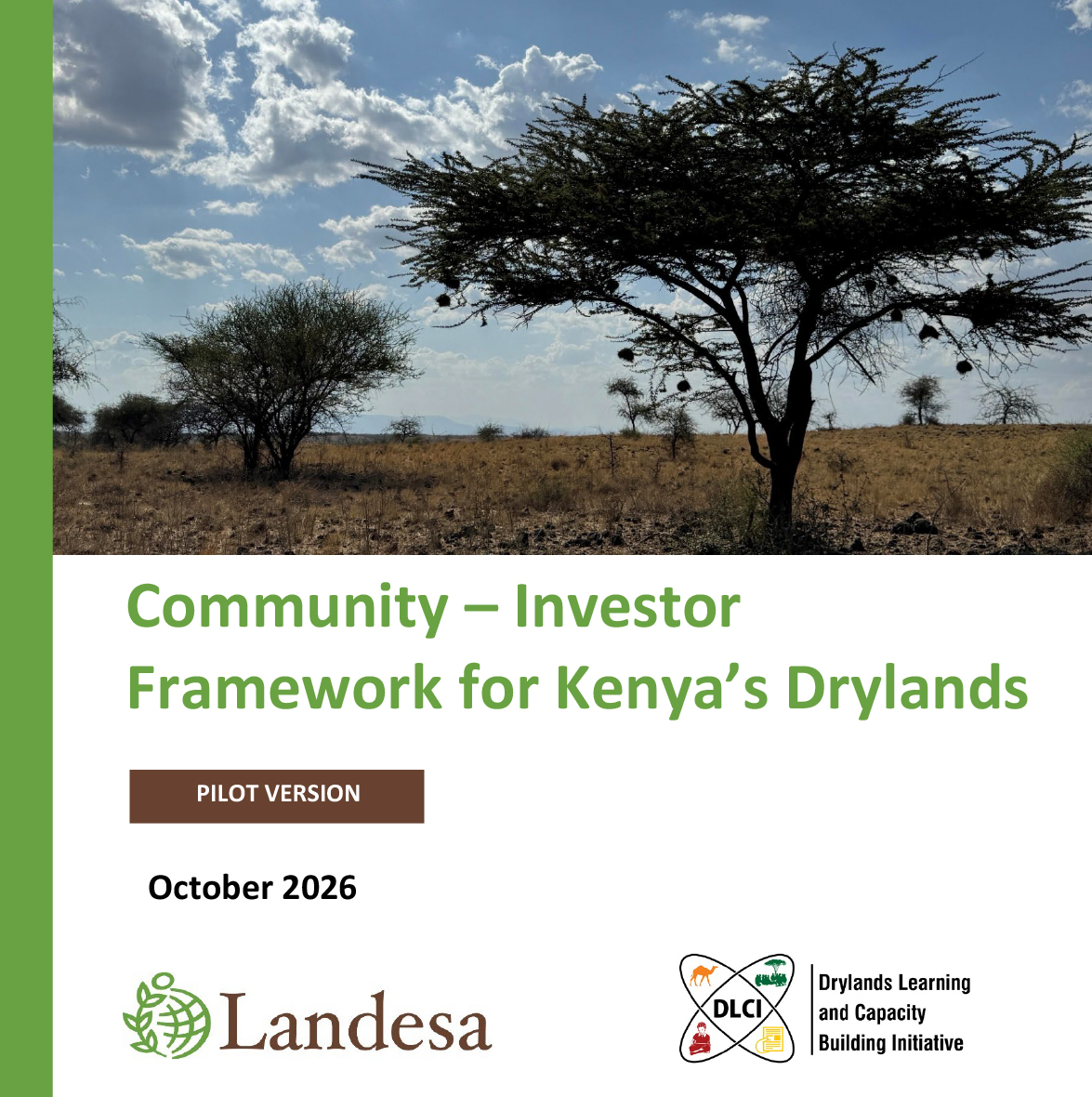
Launching the Community–Investor Framework for Kenya’s Drylands
How an investor handles community engagement within land-based investments can have major consequences for both people and the project. A new framework provides practical guidance for communities, investors, government and other actors involved in land-based investments in Kenya's drylands.
November 11, 2026
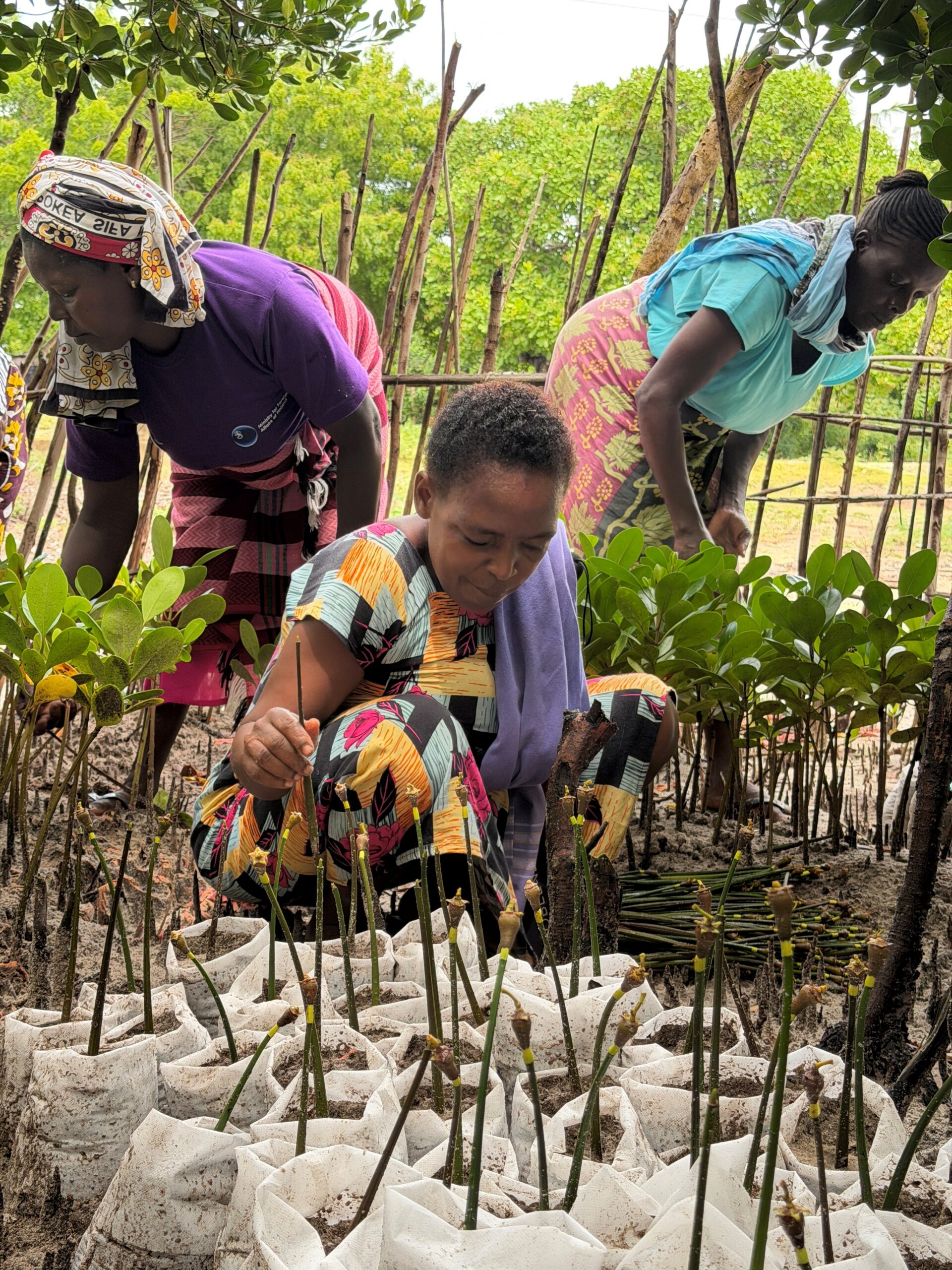
Strengthening Land Rights to Address Climate Change ‘Loss & Damage’
Land rights are a foundation for climate justice and a necessary counter to loss and damage, helping build resilience among those disproportionately impacted by climate change.
October 26, 2026
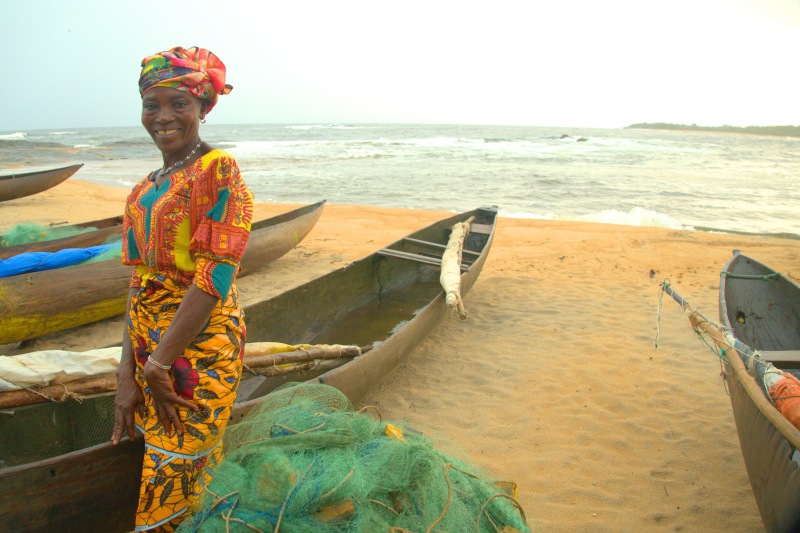
Climate Action in Africa Must Protect Community and Women’s Land Rights
For communities across Africa, a land deed means a stronger voice in decisions about its territories and natural resources. Landesa and RRI are urging the African Court on Human and Peoples’ Rights to affirm that climate efforts must respect the land rights of communities and women across Africa.
September 22, 2026
