




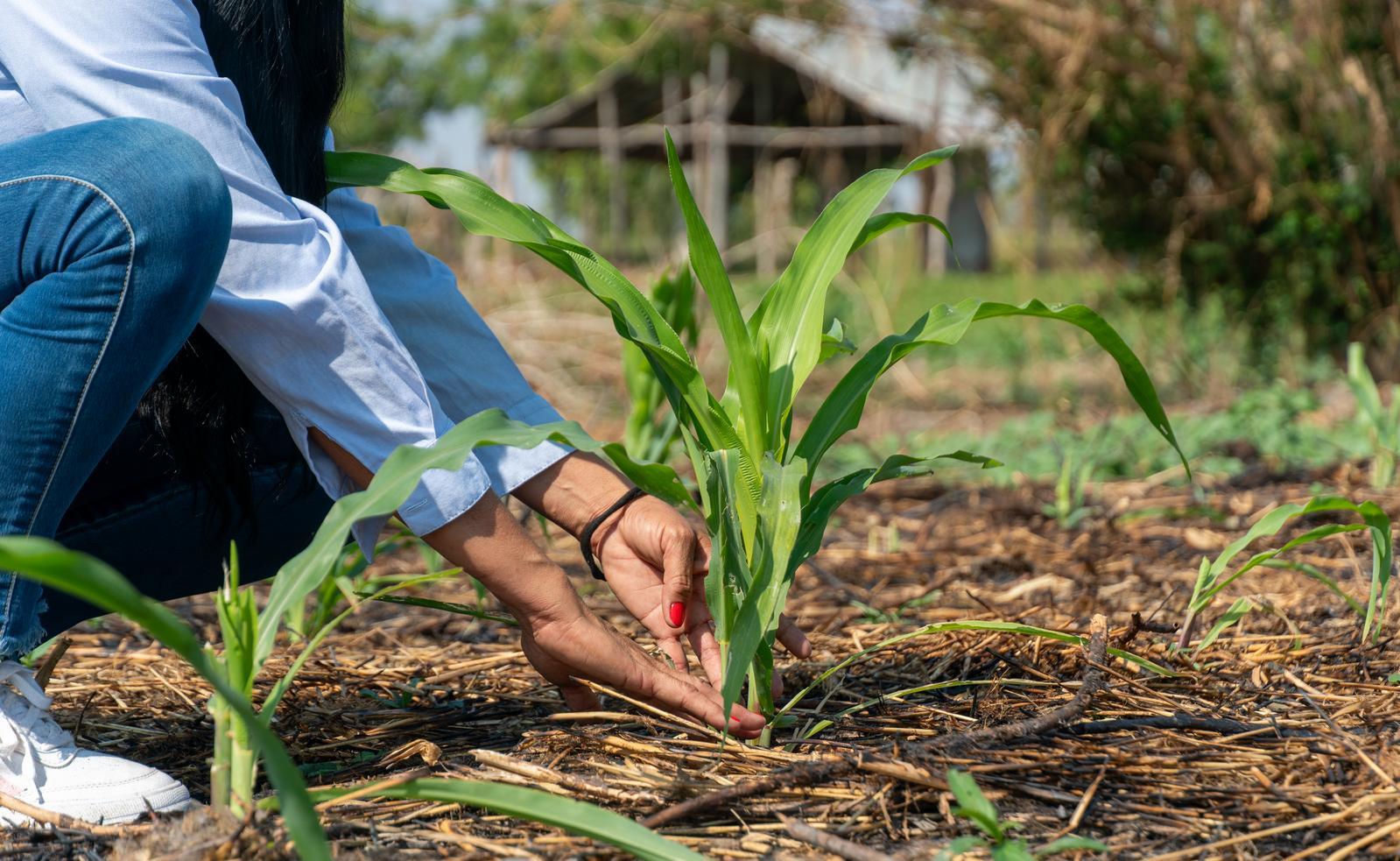
Women help feed the world. To honor them, let’s secure their rights to land.
Globally, more than 400 million women work as farmers, growing the food that feeds their households, communities, and entire nations. These women represent 36 percent of working women worldwide, a share that is substantially higher in sub-Saharan Africa (66 percent) and South Asia (71 percent).
Despite their critical contributions to food security, stubborn gaps persist:
- Women working in agriculture earn 82 cents for every dollar earned by their male counterparts. (FAO, 2023)
- Women and girls devote 2.5 times as many hours to unpaid domestic and care work as compared to men. (UN Women, 2025)
- Women are more likely to experience food insecurity than men, with 822.3 million women food insecure compared to 758.8 million men in 2024. (UN Women, 2025)
But the gap in land rights ripples across all of the above challenges. Only 24 percent of women hold legal land documents, according to the UN’s 2025 Sustainable Development Goals Report, and a global review of 84 countries found that 58 percent lacked adequate legal protections for women’s land rights across family, inheritance, and land laws.
Despite these obstacles, women continue to persevere, and millions are standing up for their rights to land and for proper recognition as farmers. On this International Women’s Day, their stories take on added significance as we observe the International Year of the Woman Farmer.
Colombia: Giving Life to the Land
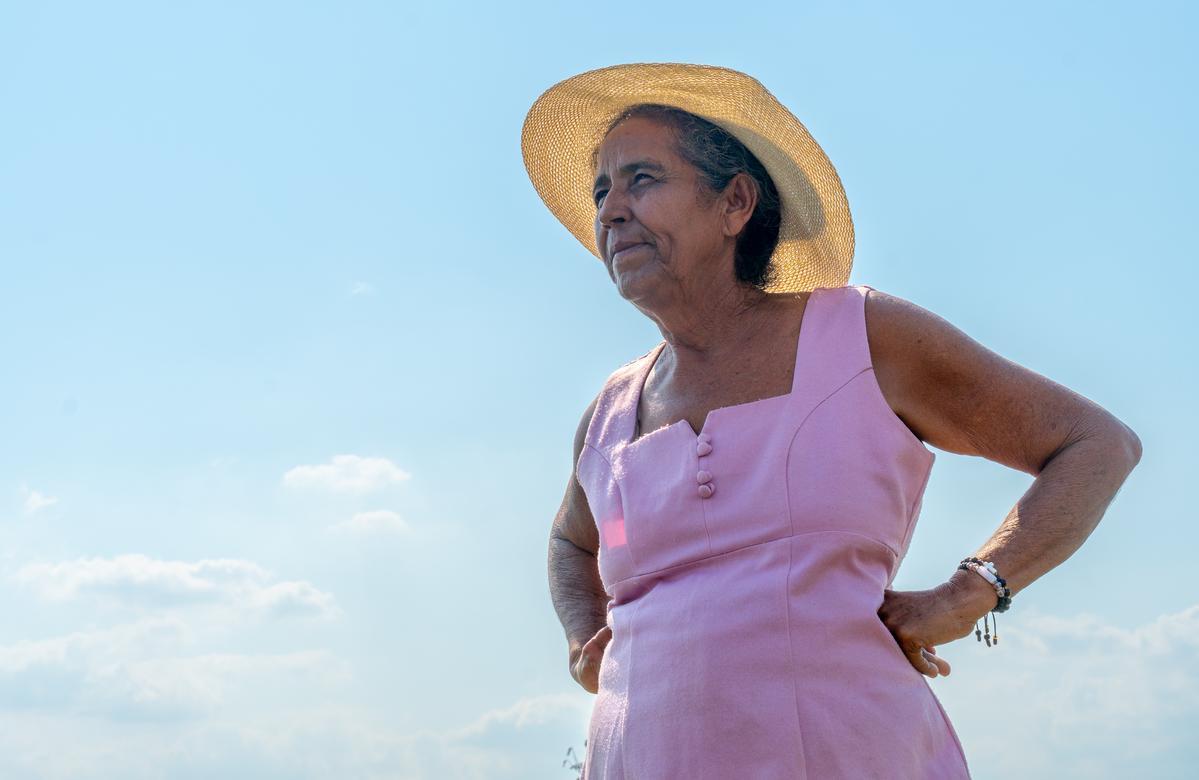
Rosalvira Gutierrez
The Montes de Maria region on Colombia’s Caribbean coast is threaded by rivers and streams, creating fertile and nutrient-rich alluvial lands ideal for cultivating staple crops like cassava and maize.
Women in the region strongly identify as campesinas (peasant farmers), growing food for both household consumption and for sale in local markets. Women take great pride in knowing that the food they produce will end up on dining tables in neighboring cities.
“For me, it is an honor to be a farmer, because the food for the cities comes from the countryside,” says Rosalvira Gutierrez, a lifelong farmer in the village of Playa las Bestias. “Farmers are the ones who feed the people who do not grow food. … If there were no farmers, what would people in the cities eat?”
Though the women of Montes de Maria are central to ensuring food security and sustaining the rural economy, most do so without secure rights to land or access to resources. Women farmers often have informal possession of the land they cultivate, leaving them without clear legal security. They must also contend with frequent flooding, which can wash away crops. And they carry the double burden of being responsible both for tending their land and managing household duties like cooking, washing, and childcare.
The decades-long armed conflict in Colombia intensified that burden. Many women were widowed by violence, while others were left behind by men who took up arms or fled to other countries. Nayibis Mercado, a community leader and campesina organizer from the city of El Carmen de Bolívar, said that women were left behind to care for their children and to tend to the land, their myriad efforts often gone unseen.
“And as women, we carried on. And we continue doing so. We continue giving life to the land, because the land is also a mother, just like us. That is who we are. That’s why the bond between women, the land, and water is so vital to us,” she says.
As an organizer and advocate, Nayibis works to strengthen women’s leadership, access to land and water rights, and support for communities affected by climate challenges. She has worked with Stand for Her Land (S4HL) Colombia, which was established in 2022 as part of the global S4HL initiative to strengthen women’s land rights in practice.
With greater awareness of the contributions that women make to farming and their communities, she hopes that the women of Montes de Maria and beyond will finally get the recognition they have earned in countless hours in their fields.
“What we want is for the work of women farmers to truly be recognized, and for the world to see that women farmers have a special place in this world,” Nayibis says.
Liberia: A Chance for Women to Talk about Land Business
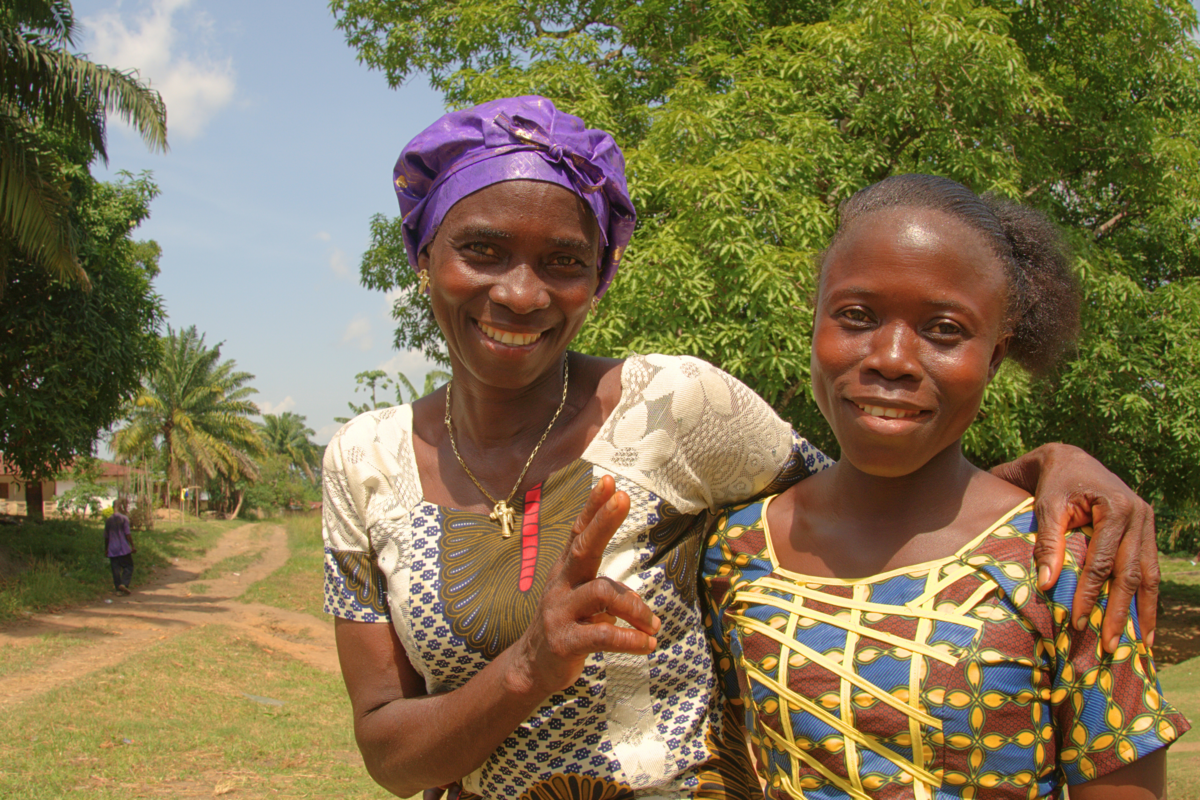
Sarah Togbah and Esther Dolo
In 2018, the West African nation of Liberia began a new chapter in its history with the passage of the Land Rights Bill. For the first time, all its 3 million rural citizens would be entitled to land rights. And the landmark law, which Landesa supported through policy advocacy and legislative drafting, included key provisions for protecting women’s rights to land.
But passage of the law marked just the first step to strengthening land rights for rural Liberians. Now, communities across the country need to be educated about their new rights and how to register their land.
Landesa, in partnership with local civil society and the Ministry of Lands, assisted communities with educational tools and trainings to guide them step-by-step through the community land formalization process.
Esther Dolo, 35, lives in one such community, the village of Koryah in Gahn Clan, Bong County, Liberia. A single mother of three, Esther farms on a piece of her father’s land, having no land of her own. For subsistence, she grows rice, okra, bitter root, potato, eddoe (a root vegetable similar to taro), and cassava. Esther had asked her father if she can plant cash crops to earn money to send her children to school, but he denied her.
“I want to own land. If I had my own land, I would be able to plant rubber, I would be able to plant palm, to send my children to school,” Esther says.
Gahn Clan, where Esther lives, engaged in the Community Land Formalization process to formally register their land in 2023. Esther served as Co-Chair of Gahn’s Community Land Development and Management Committee (CLDMC), which was responsible for completing the community’s land registration.
With her position on the CLDMC, Esther says, “Now, if you’re talking about land business in this town, I will be present to be in that land business.” That marks a sea change for women in Liberia, who have traditionally been excluded from conversations about land.
Once registration is complete, Esther says she is optimistic her father will agree to give her a piece of land. “Through the program, [my father] will be able to give me land.”
There are already signs that perceptions in the community are changing. Sarah Togbah, 49, another resident of Ganh Clan, shared that she had recently inherited a piece of land from her late father. When Sarah’s father passed away, his land was initially passed to her brothers. But after receiving education and awareness on land and inheritance rights through Landesa’s Talking Books project, Sarah’s uncle changed his decision and granted her a large piece of land.
“My farm which I inherited is big — I can walk within the farm for 5 hours,” Sarah says. “I’m farming rice and cassava for food, and I also have palms and orange. I sell some of the products and pay for my children’s school fees.
“(This project) has brought blessings to the city. Before the project, women did not know their rights to getting our father’s property or inheriting from a husband’s property.”
India: Parbati’s Journey to a Sustainable Livelihood
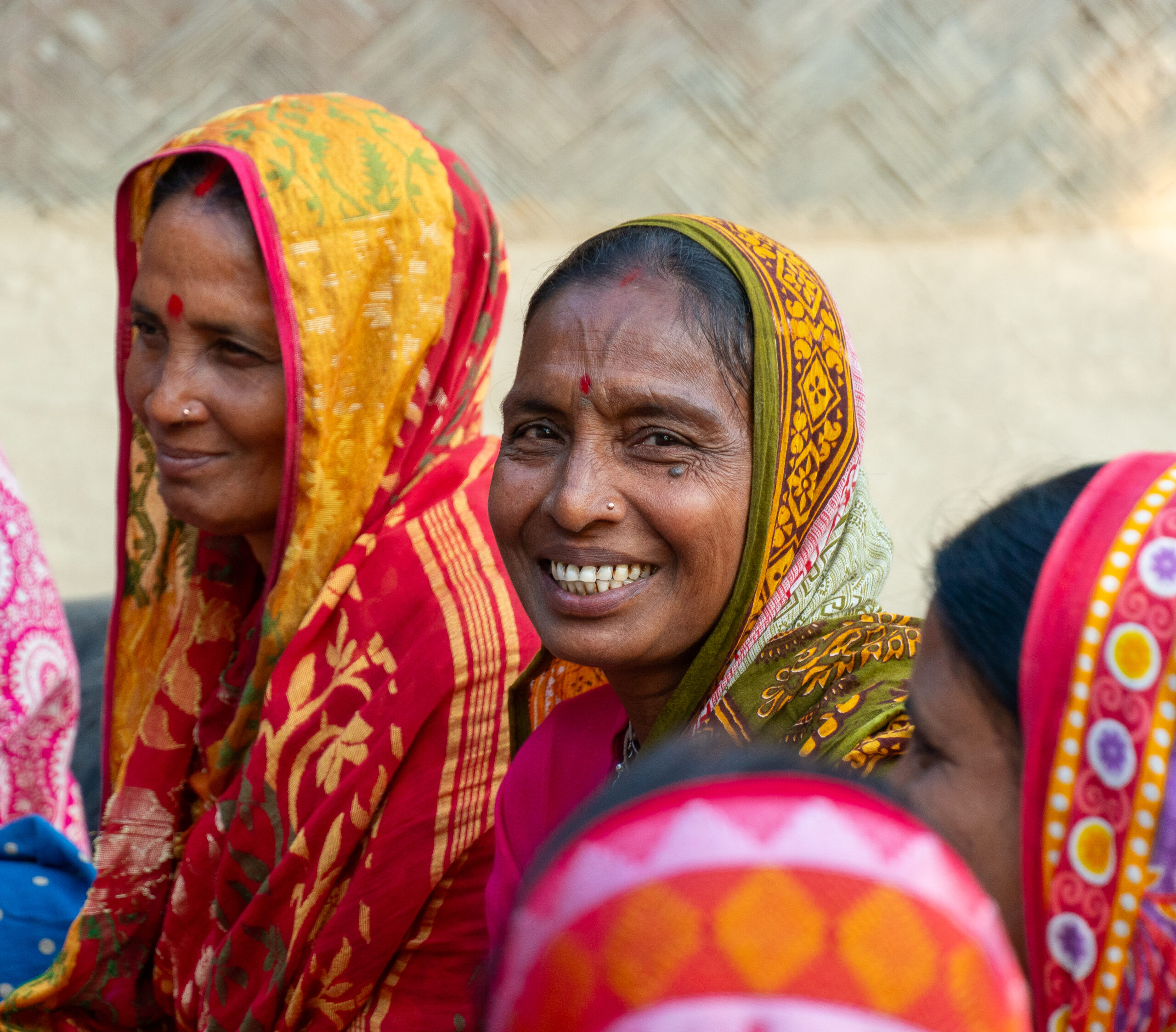
Parbati Barik
Sitting astride the coast of Bangladesh and the Indian state of West Bengal, the Sundarbans is the largest contiguous mangrove forest in the world, covering approximately 10,000 square kilometers. A UNESCO World Heritage site, the forest is a biodiversity hotspot, home to hundreds of plant and animal species, most famously the Royal Bengal Tiger. The forest also serves as a critical carbon sink, sequestering four times as much carbon as a tropical rainforest of equal size.
For the coastal communities who live along its banks, the Sundarbans is an indispensable source of livelihood. They catch fish, crab, and shrimp and collect honey, working long hours in challenging and dangerous conditions.
Parbati Barik is a fisher and farmer living in a coastal community in the Indian Sundarbans. Like most in her community, Parbati has relied on the mangrove forests to earn a difficult living. But things began to change for Parbati when, in 2025, she was invited to attend a training on alternative livelihoods, through her women’s Self-Help Group. The training, developed by Landesa in partnership with local civil society, instructed Parbati on vegetable cultivation and fish farming. Applying the lessons on her land, she reported seeing improved yields from both her farm and fish pond, resulting in a boost to her income.
“(My fish farm) is more profitable than before, which feels good. I want more training and to cultivate even more fish,” she says. “My wish is to never go back into the forest.”
Parbati also received land registration assistance through her local Sangha Facilitation Center, benefiting from another Landesa program to improve access to affordable land services.
“Owning land in my own name gives me dignity and respect, and the freedom to farm as I choose,” Parbati said. “With efforts and savings, my goal is to buy more land. … That land represents my future livelihood.”
With improved prospects and a better future ahead, Parbati’s hope is that the changes she has made will have a generational impact, extending to greater opportunities for her children.
“I don’t want my children to depend on the forest – I want them to be educated and to move forward in life,” she says.
Watch “To Farm as I Choose: Parbati’s Journey to a Sustainable Livelihood”
Related blogs
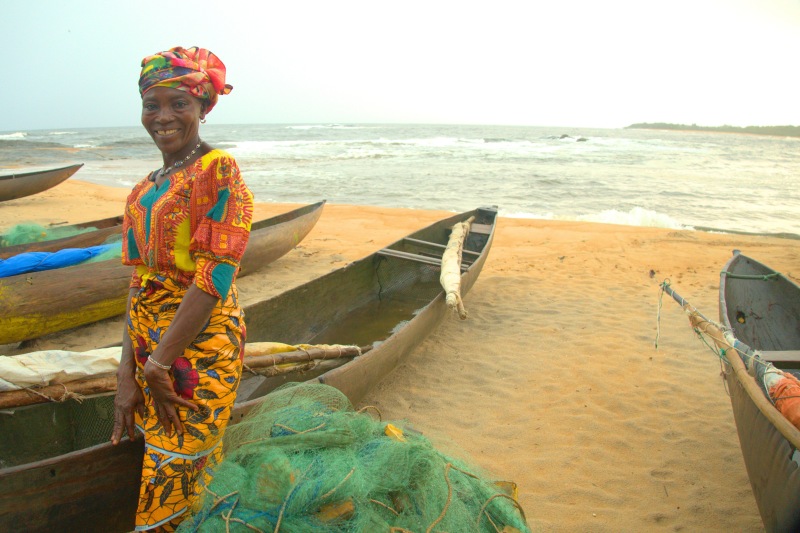
Climate Action in Africa Must Protect Community and Women’s Land Rights
For communities across Africa, a land deed means a stronger voice in decisions about its territories and natural resources. Landesa and RRI are urging the African Court on Human and Peoples’ Rights to affirm that climate efforts must respect the land rights of communities and women across Africa.
September 22, 2026
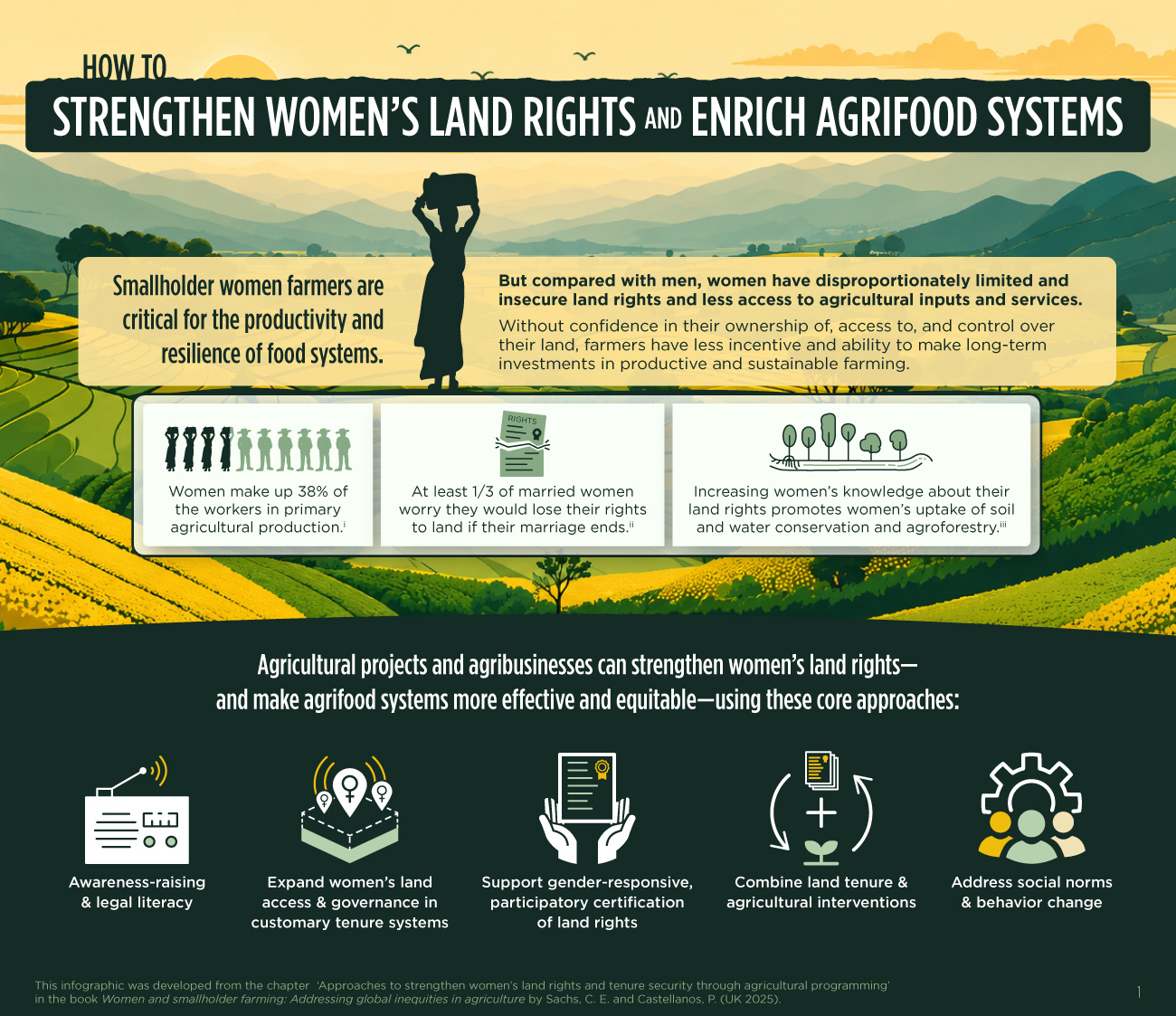
Ways to strengthen women’s land rights in agricultural projects
Five tested approaches show how agricultural projects and companies can strengthen women farmers’ land rights while advancing sustainable agriculture, food security, and women’s economic empowerment.
August 10, 2026
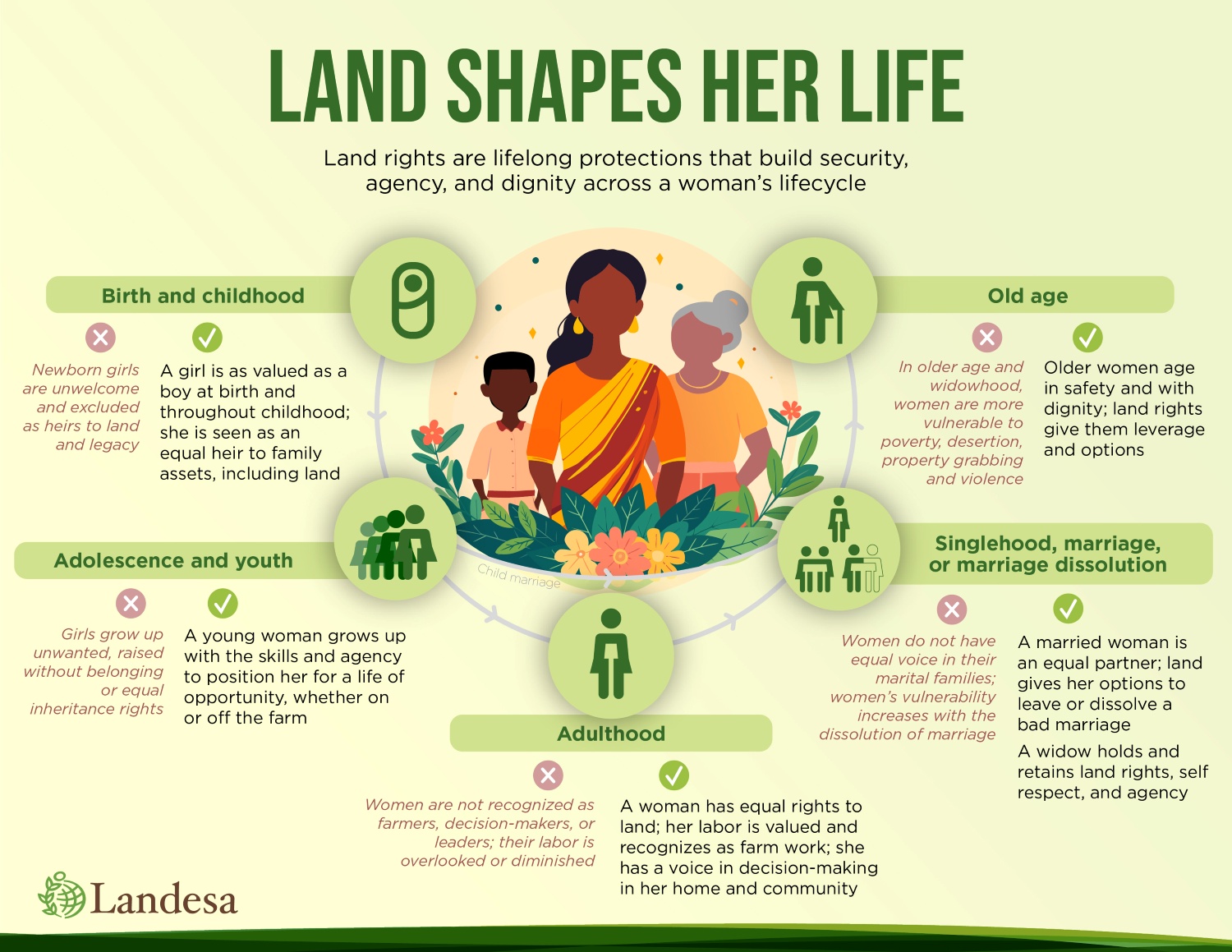
Tilling without Title: Why Millions of Women are Left Out as Farmers
Women make up nearly half of the agricultural workforce worldwide, but without secure land rights, they remain excluded from resources, decision-making, and recognition. A lifecycle approach reveals how these inequalities take root early—and how strengthening women’s land rights can transform lives and livelihoods.
April 23, 2026
