
Resources



Featured resource
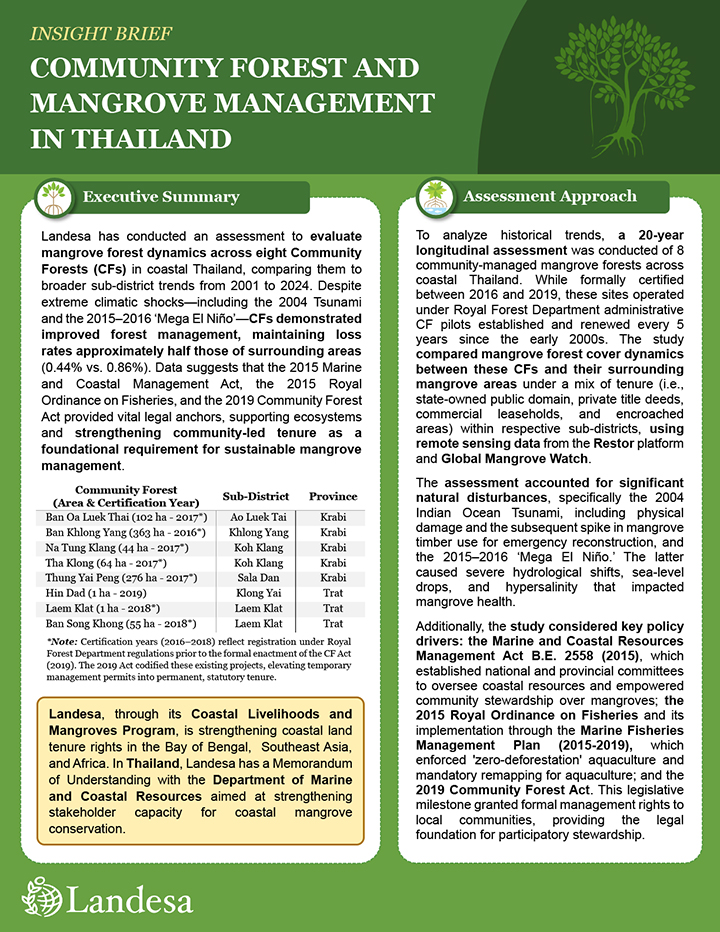
A 20-year assessment of mangrove forest dynamics in Thailand suggests that Community Forests perform better than surrounding forest areas at preventing tree cover loss.
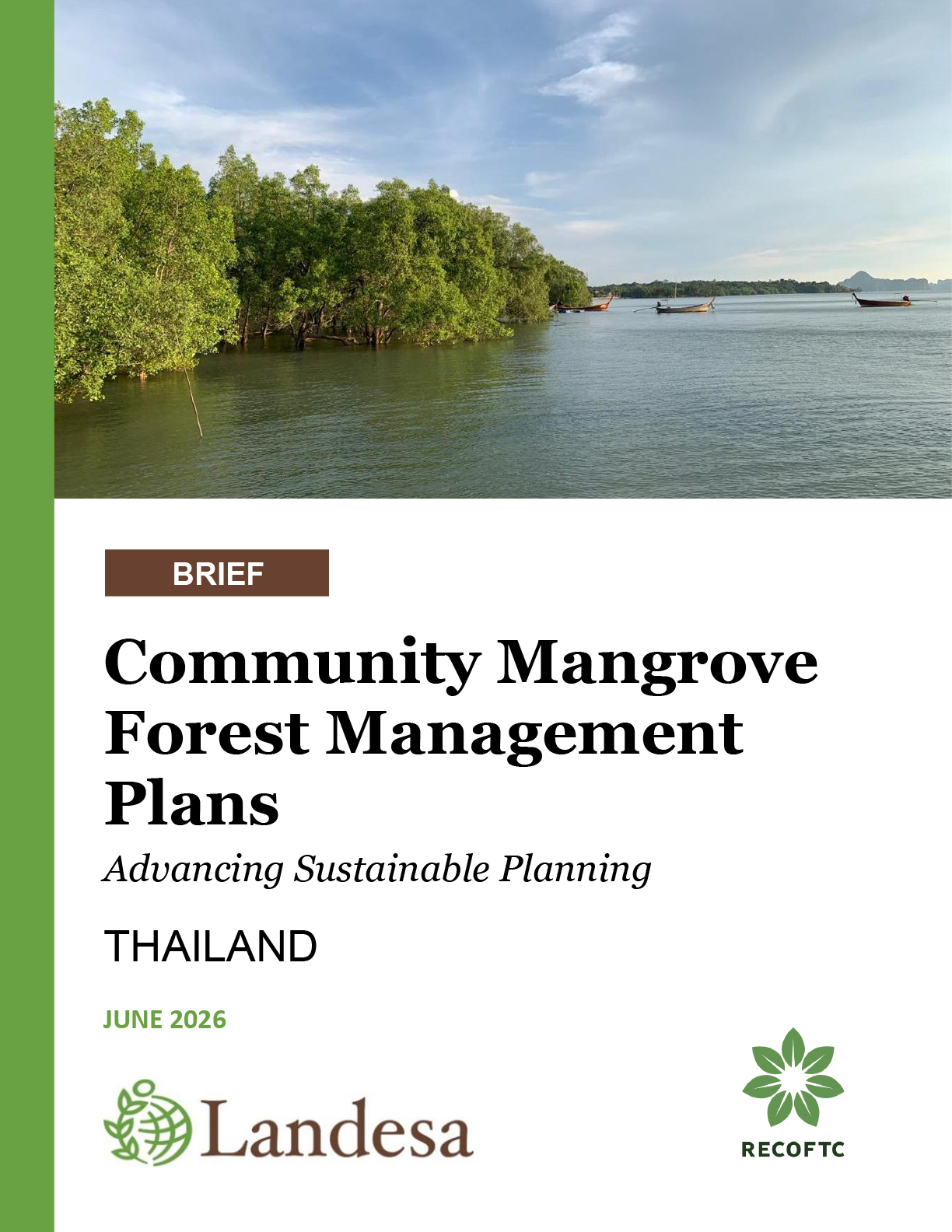
Developed in collaboration with RECOFTC-Thailand, this brief draws upon insights from community forest registration processes supported by Landesa to present a practical and innovative pathway for moving toward community mangrove forest management plans.
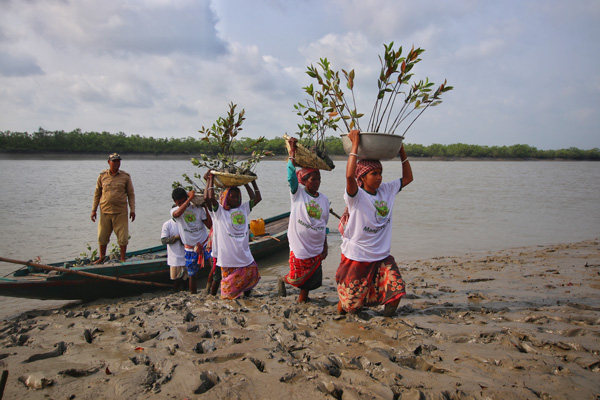
Mangrove forests are among the planet’s most productive ecosystems, supporting livelihoods for hundreds of millions of coastal people while storing vast amounts of carbon. Since 2022, Landesa has partnered with governments, civil society and local communities to strengthen coastal land tenure rights in some of the world’s most vital – and vulnerable – mangrove areas. This ambitious effort is improving outcomes for people and planet through programming that sustains livelihoods, protects mangroves, and mitigates climate change.
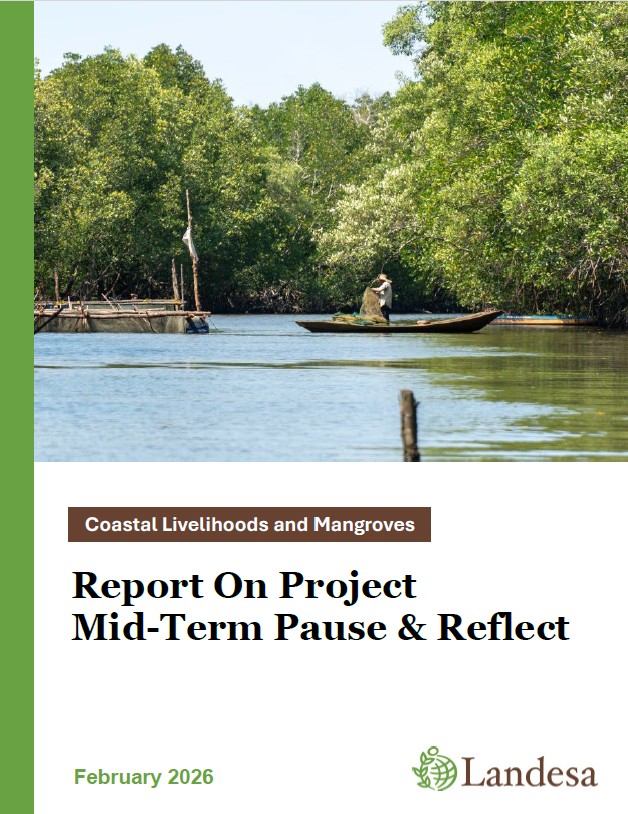
We conducted a mid-term “Pause and Reflect” learning assessment for our 5-year Coastal Livelihoods and Mangroves Project, examining our work in Cambodia, Indonesia, India, and Bangladesh to understand roadblocks along change pathways and identify elements of success to build upon moving forward.
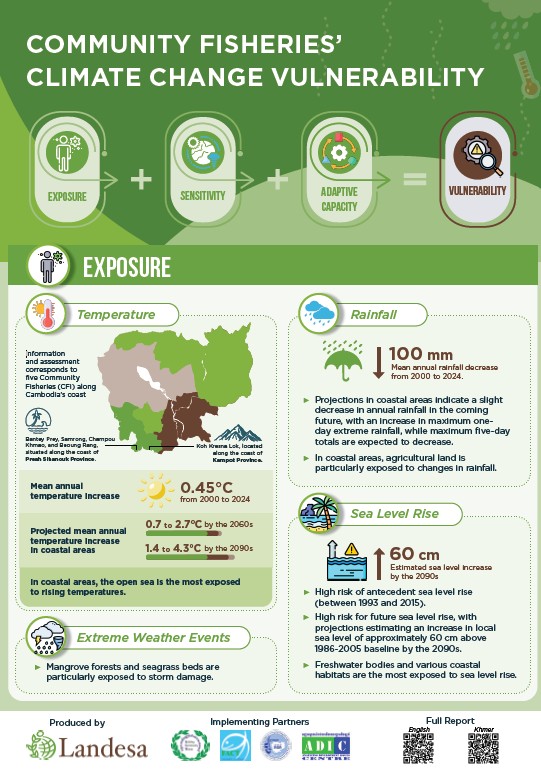
These infographics reflect Landesa’s findings from the Community Fisheries Climate Change Vulnerability Assessment report and were developed as primary tools for raising awareness through educational events conducted with Community Fishery members in Cambodia.
This brief highlights how recognizing and integrating the ecosystem services of mangroves into planning decisions—complemented by conservation efforts and sustainable resource use through strengthened tenure rights—is essential to promoting sustainable land use in Indonesia’s intended new capital city.
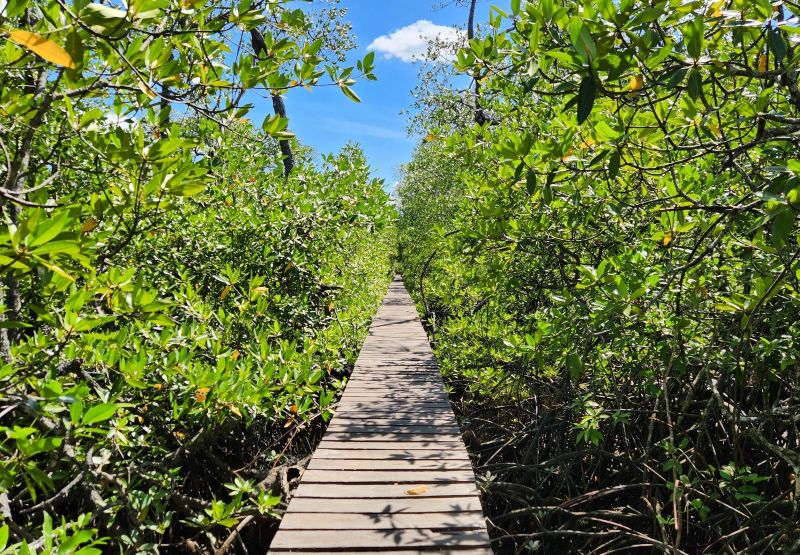
Landesa’s new study demonstrates how Indonesia’s intended new capital city can showcase integrated and inclusive tenure security and coastal management that balance urban development with mangrove ecosystem conservation. The study reveals the feasibility of implementing Payment for Ecosystem Services and proposes integrating ecosystem service economics with the land certification framework in the country, pioneering gender-responsive ecosystem service rights certification.
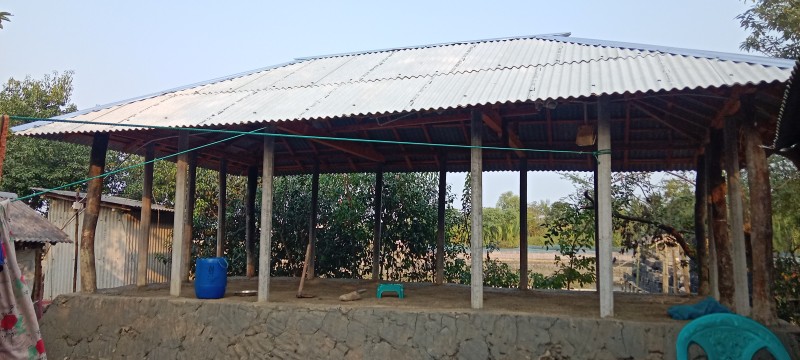
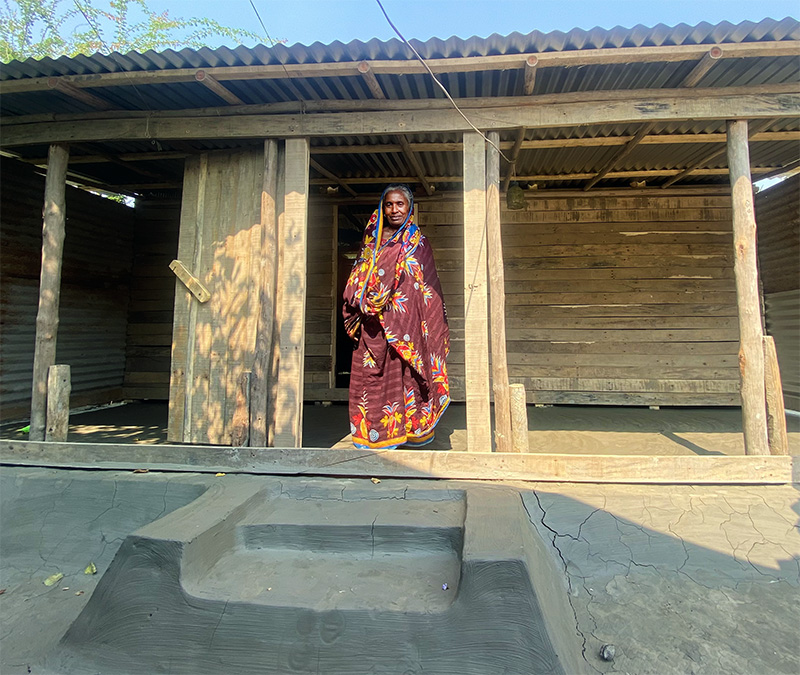
After decades without secure shelter, Naima and her family in Bangladesh’s Sundarbans gained legal access to land through a government lease program after attending a training supported by Shushilan and Landesa. They are now building a permanent home and planting a garden—laying the groundwork for a more stable future.
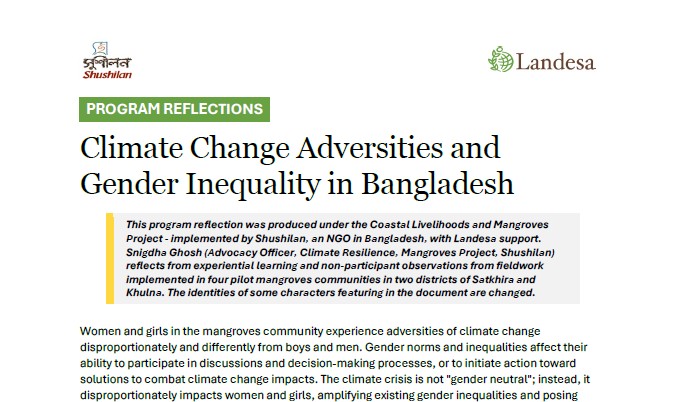
This program reflection from the Coastal Livelihoods and Mangroves Project explores how gender norms shape women’s and girls’ experiences of climate change in Bangladesh’s coastal communities. Drawing on fieldwork in Satkhira and Khulna districts, Shushilan’s Snigdha Ghosh highlights how unequal access to forest resources and mobility restrictions limit women’s participation in climate resilience efforts—reinforcing vulnerabilities and increasing the risk of gender-based violence. The insights underscore the need for gender-sensitive climate action that centers the voices and rights of women and girls.
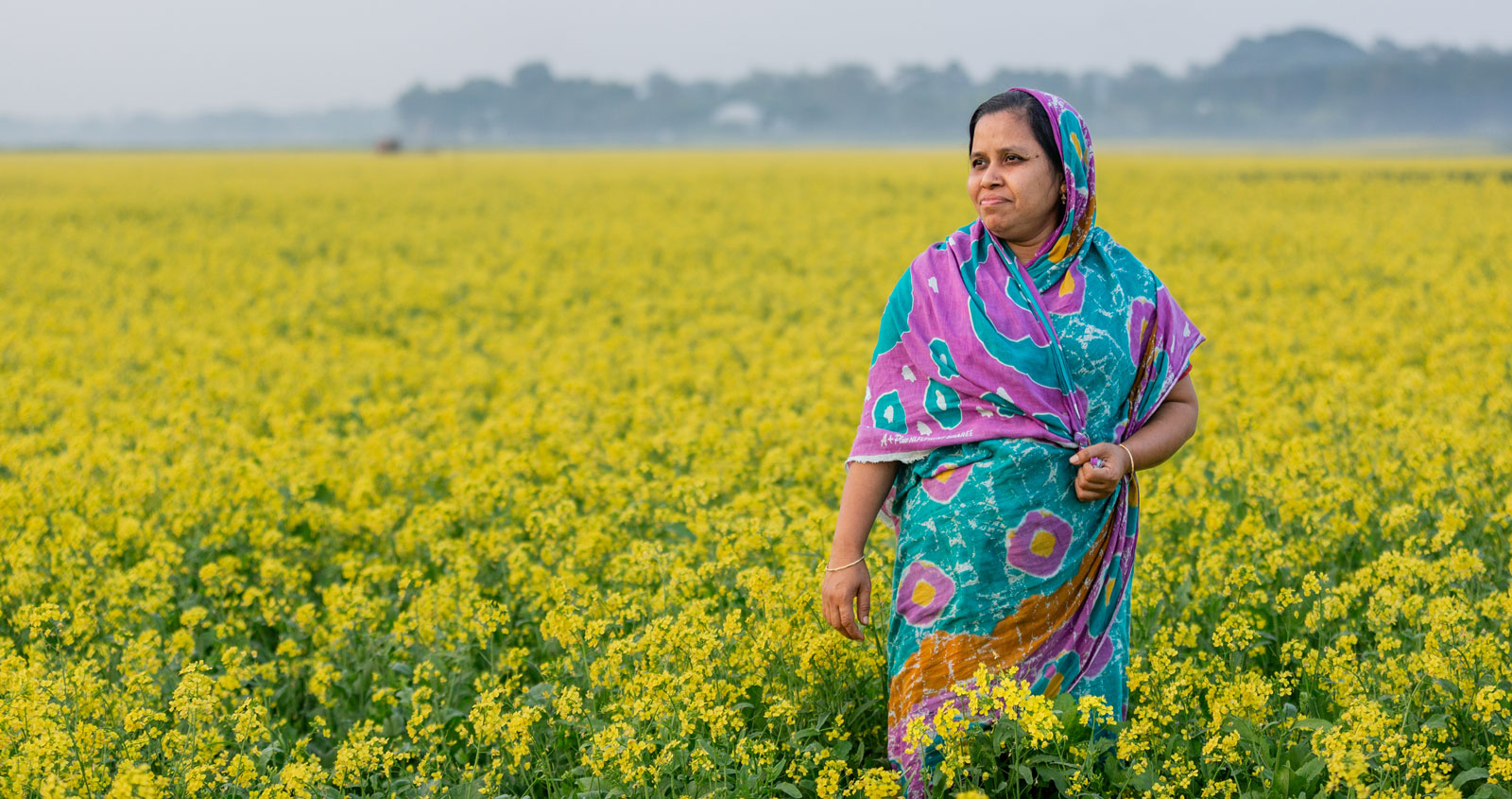
A new Landesa report explores the interconnectedness of women’s land rights, climate action, and the Women, Peace & Security (WPS) agenda. The report presents a novel conceptual model and case studies to illustrate how women’s land rights, climate action, and WPS can support and influence one another.
