



Showing 74 results
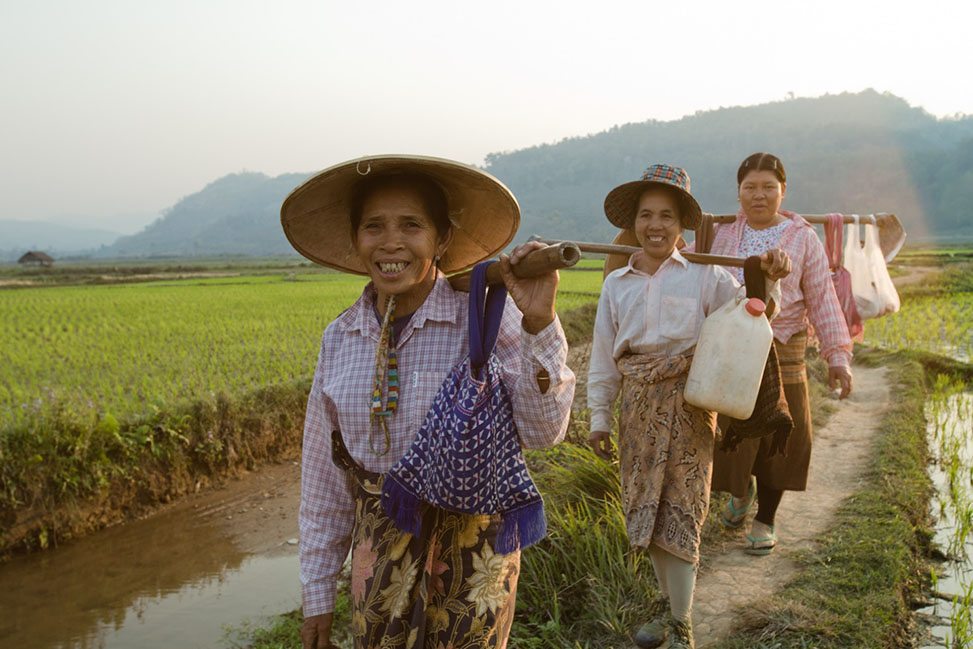
Land Reform for the Modern Era
This blog originally appeared on Devex. By Joe Studwell and Chris Jochnick After World War II, land reform programs in Taiwan, South Korea and Japan redistributed vast swaths of land to poor tenant farmers and agricultural laborers. The efforts helped end extreme poverty and hunger — changing the course of

Women’s Land Rights Key to Enacting Gender-Responsive International Climate Change Action
This blog originally appeared in National Geographic: Changing Planet. By Jennifer Duncan, Sr. Attorney and Land Tenure Specialist at Landesa and Fiona Noonan, Stanford in Government Fellow at the Landesa Center for Women’s Land Rights Nine months after adopting the Paris Agreement, as ratification continues and implementation begins, the world will see significant movement
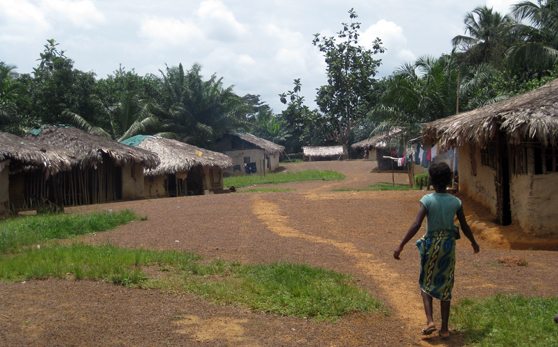
Liberia is at a crossroads: recognizing land rights can safeguard against violence
By Jennifer Duncan & Jaron Vogelsang The government of Liberia has an unprecedented opportunity to pass progressive land reform legislation that could positively impact millions of people, but the window of opportunity is rapidly closing. If Liberia’s legislature doesn’t vote to adopt the draft Land Rights Act before it goes
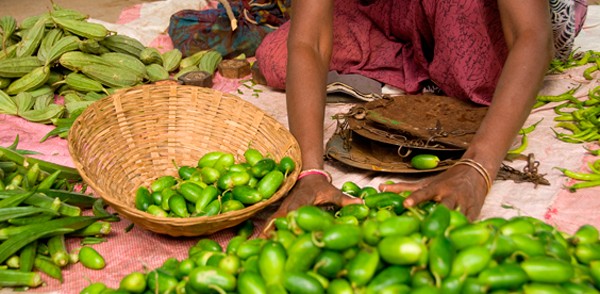
How land rights can grow the economy
This blog was originally published by Thomson Reuters Foundation News. By Chris Jochnick | @cjochnick At a time when too many governments are fixated on urban growth and agricultural consolidation, a research review by my colleagues on the links between secure and equitable rural property rights and macro-economic growth reveals
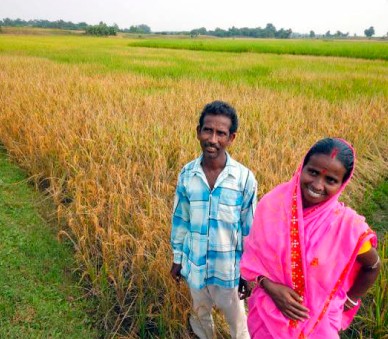
Why restrictions on renting agricultural land in India must go
This blog originally appeared in Scroll.in. By Sanjoy Patnaik Nearly one-third of India is reeling under drought, evident from reports and images of distressed farmers and parched land captured in the media. The increasing unpredictability of rainfall and prolonged hot patches has severely impacted rural farmland and, consequently, the people
India’s Land for Rent: The Future of Indian Land Reform
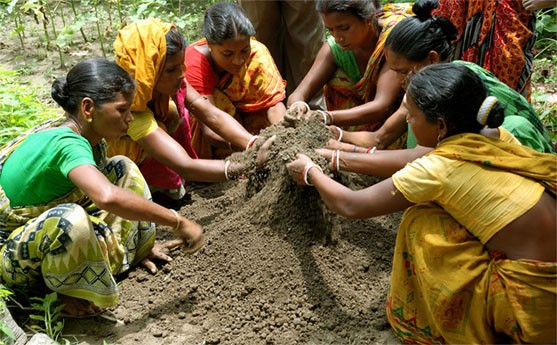
This article originally appeared in Foreign Affairs. By Tim Hanstad India is among the world’s top producers of many things: milk, rice, sugarcane, and, as it happens, land reform legislation. Since India’s independence in 1947, volumes of laws and reforms have been aimed at addressing a stubborn reality in rural
Land Rights: Intangible Assets Bring Tangible Benefits
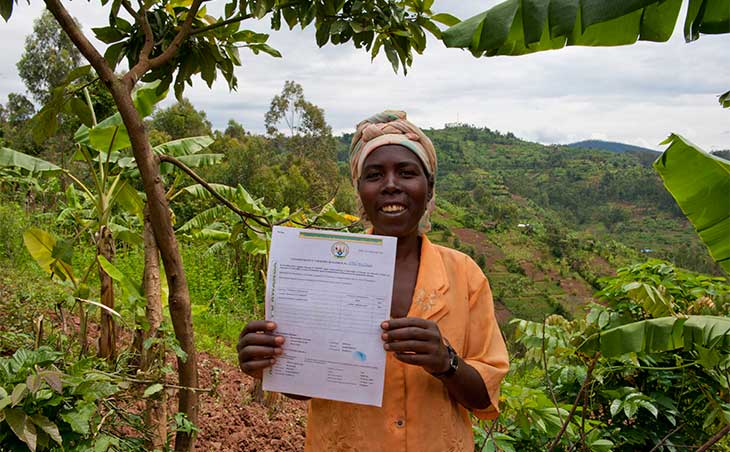
This blog was originally published by Skoll Foundation. By Tim Hanstad When we think about global development, we generally picture tangible improvements like bridges, hospitals, and schools. When it comes to agriculture, people think of improved seeds, fertilizer, and irrigation. But just as much as they need fertilizers and seeds,
Democracy and/or Land Reform?
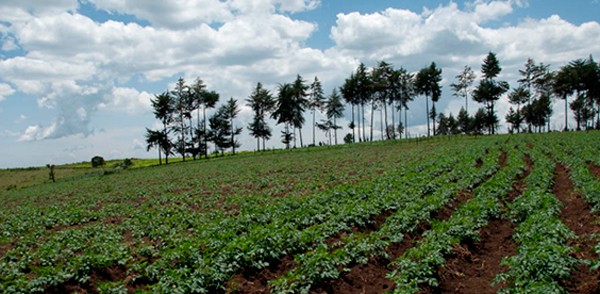
By Roy Prosterman When apartheid ended in South Africa in 1994 just under 60,000 white-owned farms covered the majority of the country’s land mass. Recognizing the fundamental importance of broad-based land ownership to sparking inclusive economic growth, Nelson Mandela’s government vowed to implement an ambitious land reform program. But now,

On Women’s Equality Day, Why Agitating for Gender Equity Still Matters
Ninety-five years ago today women in the United States gained access to the ballot box, thanks to the passage of the 19th amendment. This fundamental right of any democracy was no easy fight for the suffragists of the 19th century. It took 132 years for women in the United States
Why the Modi government must work on land reform before land acquisition
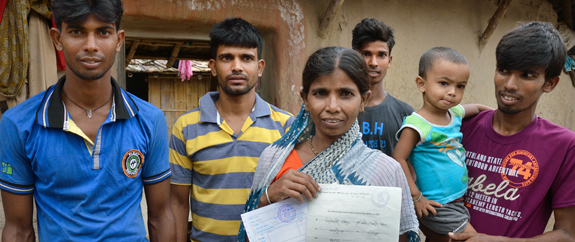
India’s economy has already crossed $2 trillion and is growing annually at around 6%. But these figures cannot hide the fact that 69% of the population is rural, and 70% of this, or nearly half of all Indians, still depend on land and land-based activities for their livelihoods, according to
