
Resources



Featured resource
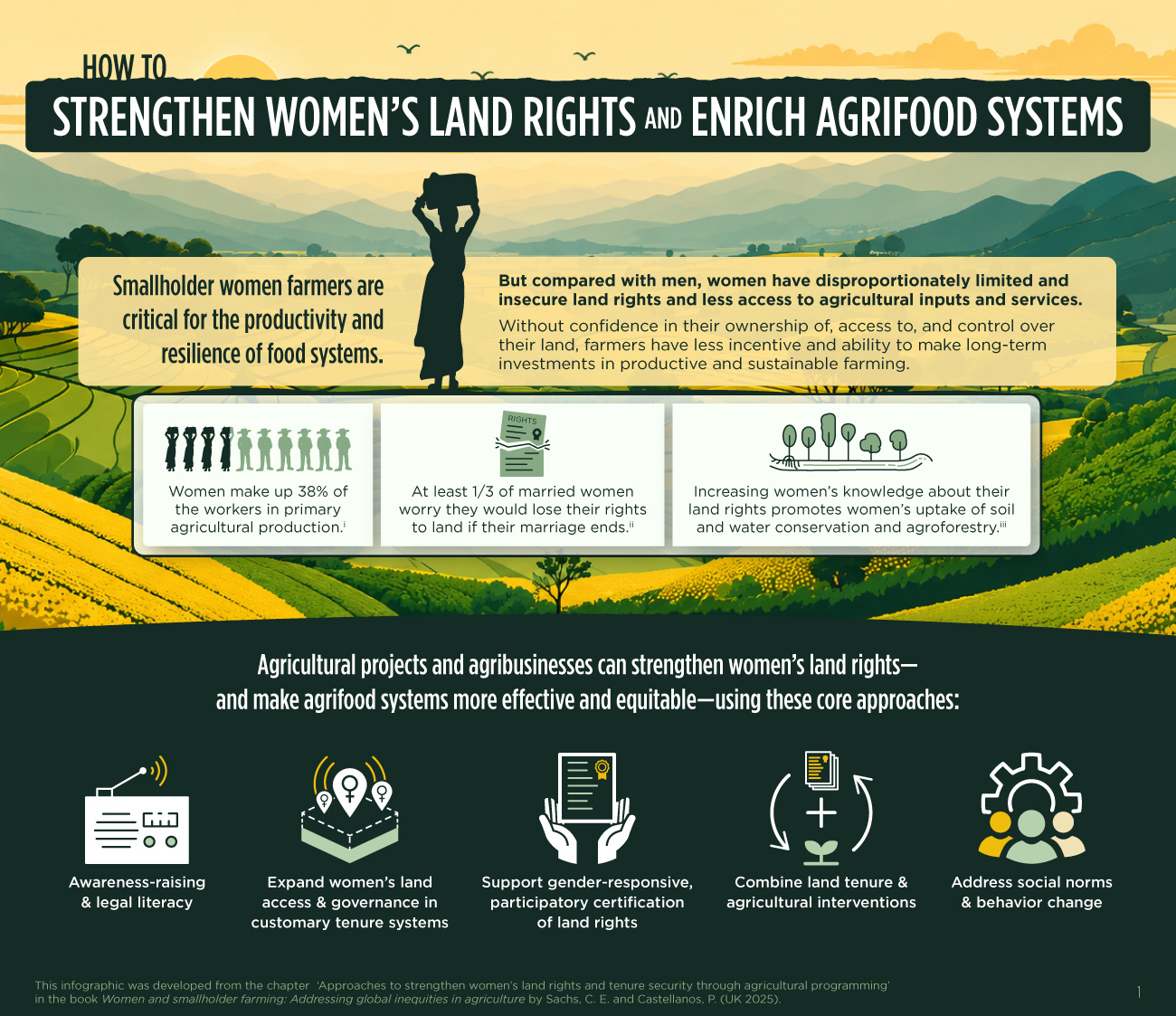
This infographic explores five tested approaches that agricultural projects and companies can use to strengthen women’s land rights and build more productive, equitable, and resilient food systems.
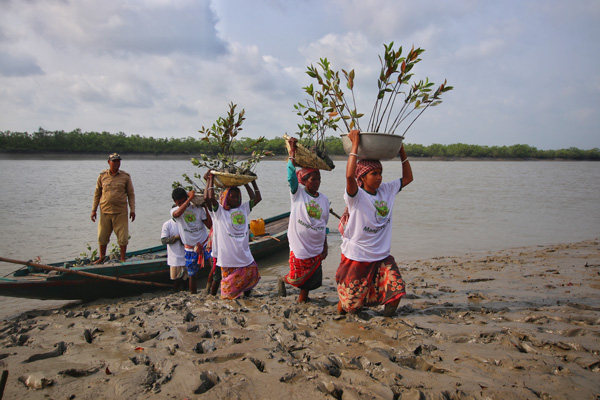
Mangrove forests are among the planet’s most productive ecosystems, supporting livelihoods for hundreds of millions of coastal people while storing vast amounts of carbon. Since 2022, Landesa has partnered with governments, civil society and local communities to strengthen coastal land tenure rights in some of the world’s most vital – and vulnerable – mangrove areas. This ambitious effort is improving outcomes for people and planet through programming that sustains livelihoods, protects mangroves, and mitigates climate change.
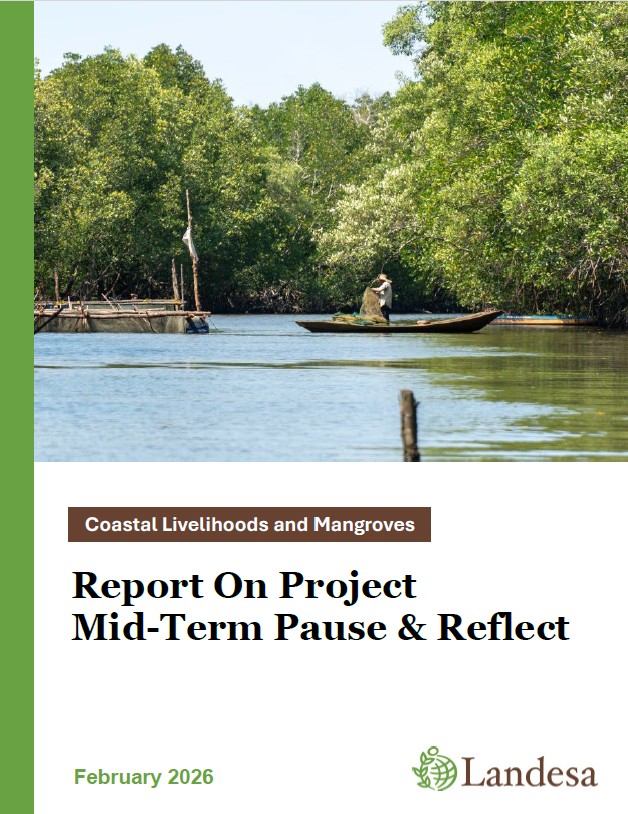
We conducted a mid-term “Pause and Reflect” learning assessment for our 5-year Coastal Livelihoods and Mangroves Project, examining our work in Cambodia, Indonesia, India, and Bangladesh to understand roadblocks along change pathways and identify elements of success to build upon moving forward.
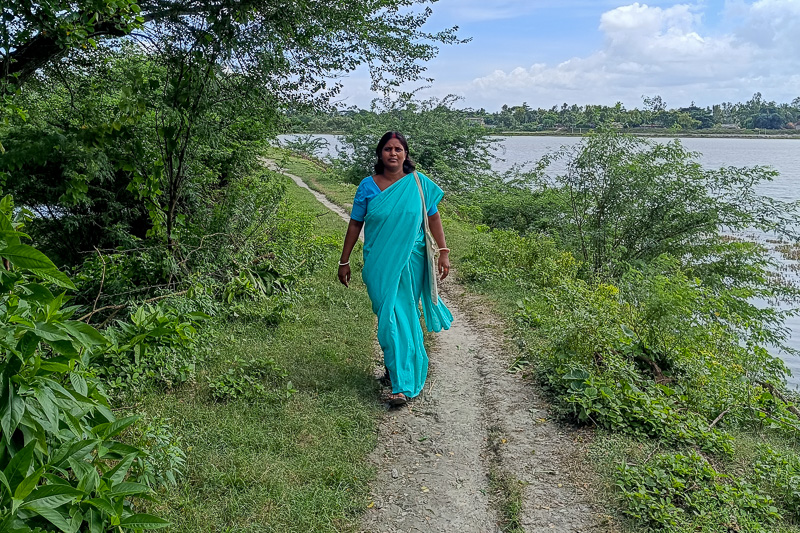
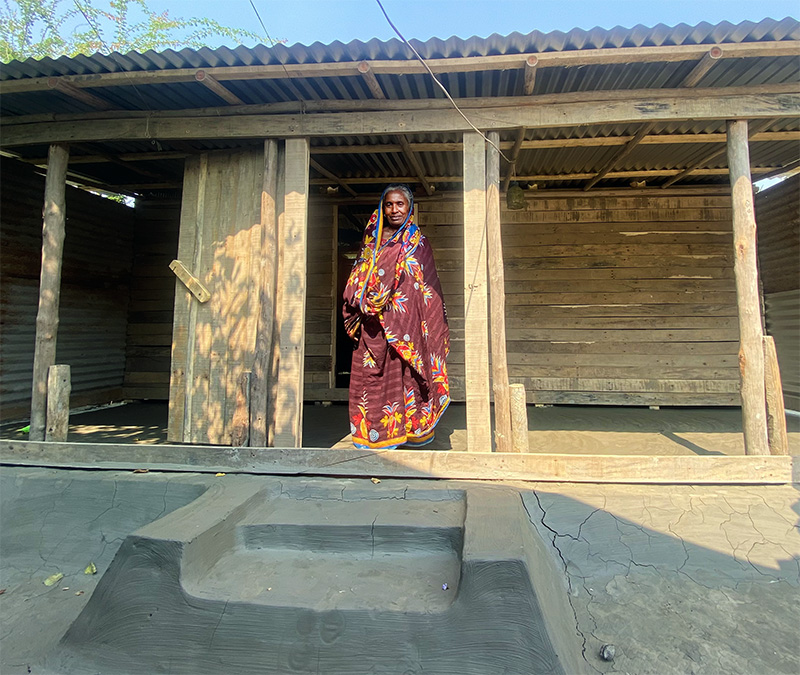
After Cyclone Aila destroyed her home, Supriya Mondal lost nearly everything. But the disaster also set her on an unexpected path, one that would turn her into a trusted community leader helping protect the Sundarbans through climate-smart livelihoods and mangrove conservation.
Jharkhand leads India in witchcraft-related crimes, often tied to land disputes. This article examines how weak land rights expose tribal women to violence and outlines steps to reduce their vulnerability.
Landesa looked into the land issues and risks of coal and renewable energy (particularly wind, solar, and geothermal) in seven countries. Check out the full report for findings and recommendations for addressing prevalent land-related issues.
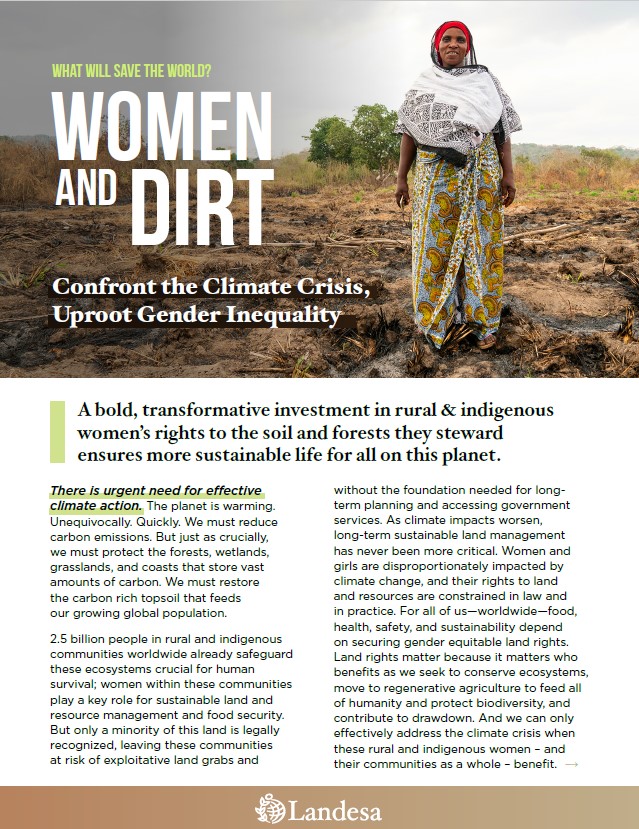
Land rights for women flips the script of gendered power—it challenges patriarchy at its root, by fundamentally changing women’s economic, social, and political status. And key to climate action, research shows efforts to protect biodiversity and address climate change are more successful when women have strong land rights.
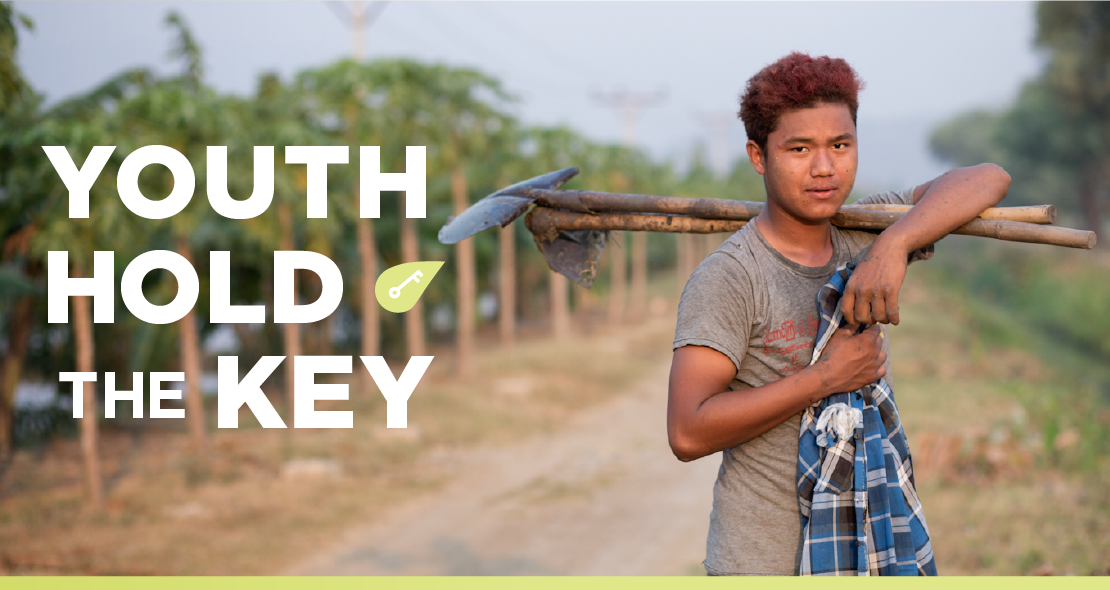
Explore global data, case studies, and intersectional solutions for investing in youth land rights.
Landesa researchers reveal a brutal system of abuse and torture that deters tribal women from accessing their rights to land. The women in the tribal communities are particularly disadvantaged, as the customary practices do not support their land rights and the law of the state accepts customary practices of the tribal communities to be legal. While the research area focuses on the state of Jharkhand, similar trends are observable in India’s other tribal areas.
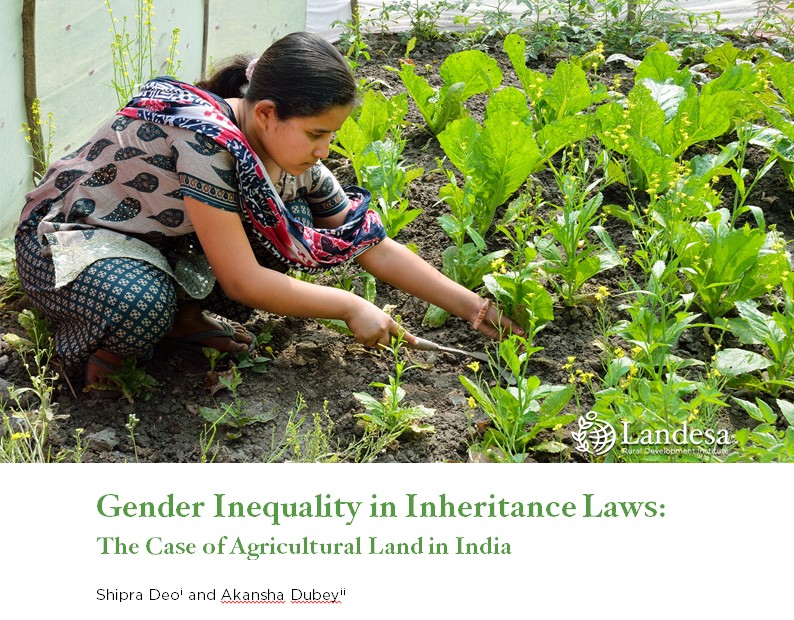
In a framework of economy of individual property, inheritance is one of the most common ways to access and own land, property and resources. However, women’s rights to inherit land are often mediated by an overlapping web of legal, structural, socioeconomic, and cultural factors. This paper explores the legal complexities related to inheritance of agricultural land by women in India.
