




January 2014 — In rural areas from East Asia to Sub-Saharan Africa, women make up a bulk of the agricultural labor force, yet rarely own the land they rely on to survive and provide for their families. This article explores some promising legal and policy reforms aimed at helping rural women in the developing world wield secure, long-term land rights, which serve as a gateway to a suite of social and economic rights and benefits—empowerment in the community and a stronger voice within the household for themselves, and increased income, education and nutrition for their family. This article originally appeared in the Journal of International Affairs at Columbia University. Click here to view the full article.
Category:
Related resources
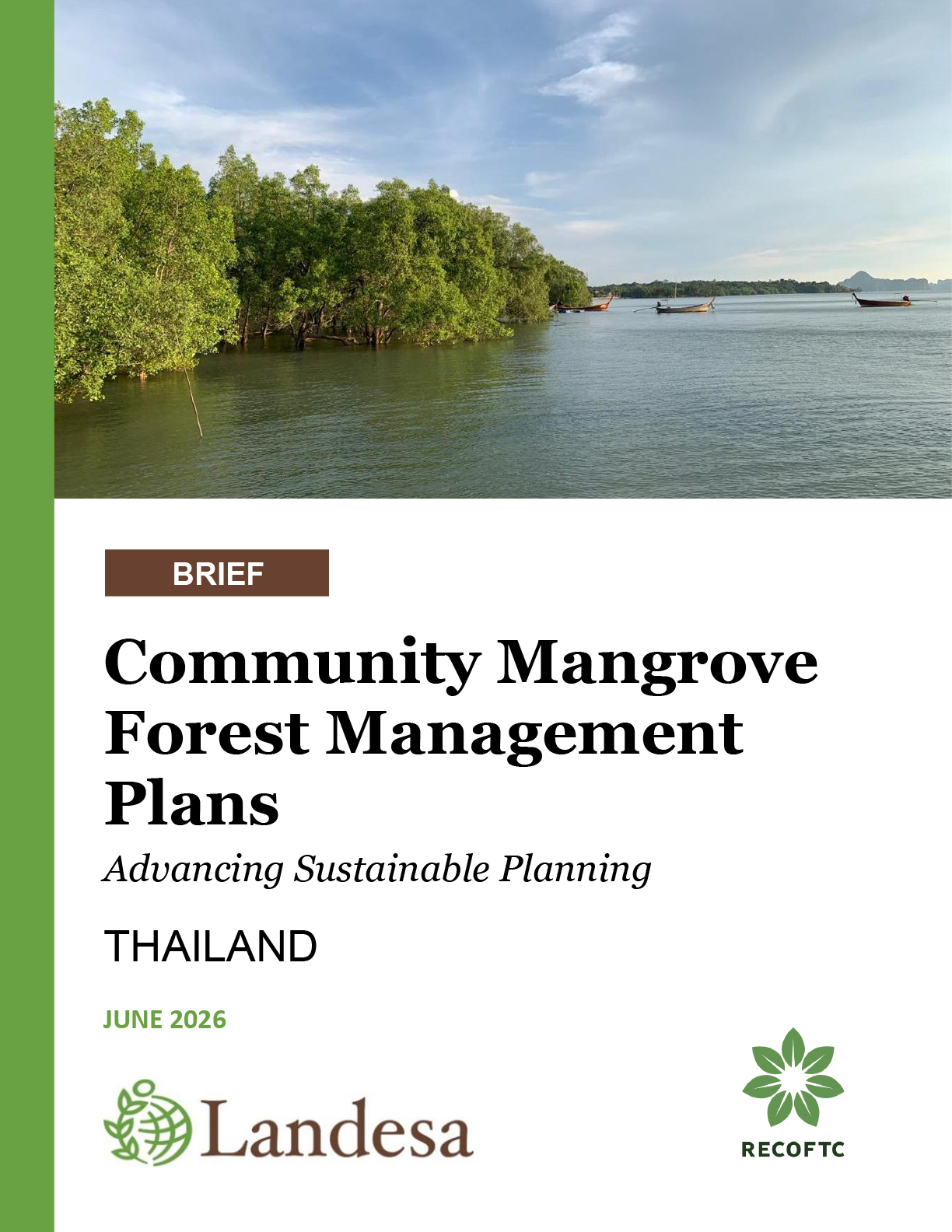
Community Mangrove Forest Management Plans in Thailand
Developed in collaboration with RECOFTC-Thailand, this brief draws upon insights from community forest registration processes supported by Landesa to present a practical and innovative pathway for moving toward community mangrove forest management plans.
Issue Briefs
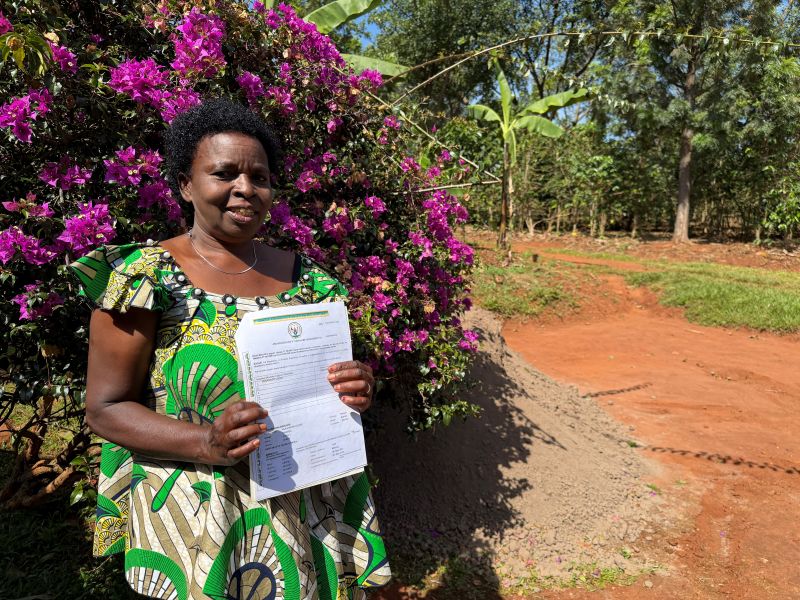
“Land is my job”
When Louise was widowed in 2005, her livelihood came under threat: her land was not registered, leaving her without secure rights to her land. Widows are often targeted for land takings, encounter boundary disputes, and face barriers to inheritance. Without her land, she would lose her food security and her income.
Success Stories
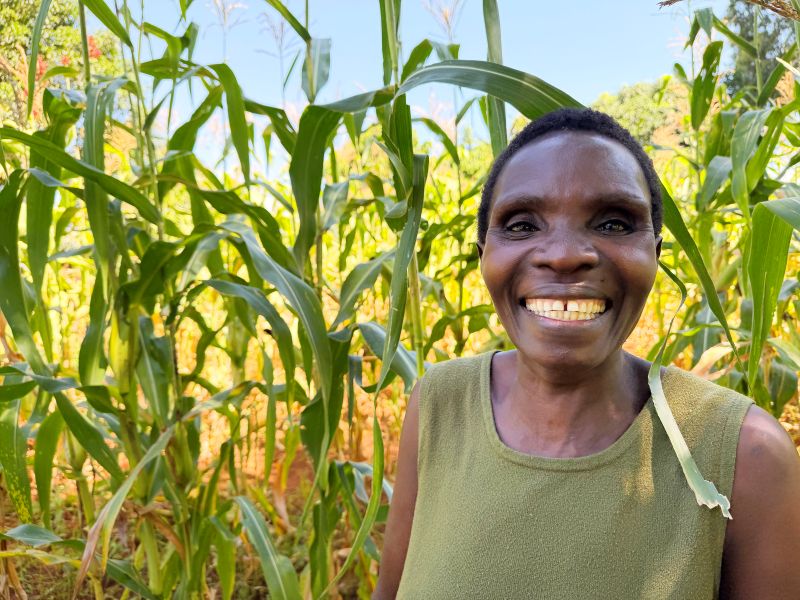
“My name will be written on this land”
Rebecca Ogalo spent more than two decades fearing she could lose the land she depended on to raise her son, until a Landesa land clinic in Kisumu, Kenya helped uncover the records needed to receive a land title in her name.
Success Stories
